Best Time to Travel to Nepal and Bhutan
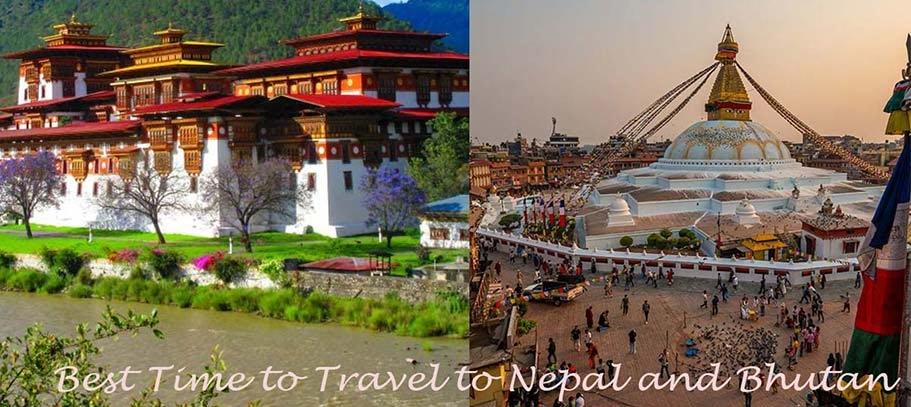
Nestled in the heart of the Himalayas, Nepal and Bhutan are Asia’s two most captivating destinations with unique cultures and landscapes. They share deep reverence for nature, tradition and spirituality too. To those travellers who are seeking peaceful monasteries, towering peaks, and colorful festivals, including authentic mountain life, these countries offer an experience unlike anywhere else on Earth.
When you are planning a journey to these mountainous regions, timing is everything. The Terrain varies from tropical lowlands to alpine Highlands and at the same time, the climate shifts dramatically across seasons. While some months offer crisp skies and ideal trekking conditions and others are better for cultural exploration, solitude, or festival travel. Monsoon rains, snowfall and altitude variation also play a role in determining travel plans.
Understanding the rhythm of the season in both Nepal and Bhutan is essential to make the most of your visit. Whether you’re drawn to snow-capped Himalayan trails, vibrant local traditions, or quiet valleys in bloom, the time you choose can define the entire travel experience.
This guide explores seasonal patterns, highlighting each period and how climate, culture and nature intertwine throughout the year in both countries. From spring blooms to autumn clarity and winter calm, you will find the best Time to travel to Nepal and Bhutan that aligns with your interests and pace. In the following sections, we’ll break down the seasonal advantages, weather trends and key events that help determine the best travel windows for both destinations.
Understanding the Climate of Nepal and Bhutan
The geography of Nepal and Bhutan plays a major role in shaping weather patterns. Both countries span dramatic altitudinal differences, starting from lowland plains to some of the highest peaks in the world. This creates distinct climatic zones, which will shift you as you travel vertically rather than just geographically.
Nepal’s Climate Overview
Nepal has four main seasons:
Spring (March to May): This season is mild and blooming, which is ideal for trekking and sightseeing.
Summer/ Monsoon (June to August): This season is hot and wet, especially in the southern and middle hills.
Autumn (September to November): This season is perfect for outdoor adventure. You can find clear skies and comfortable temperatures.
Winter ( December to February): In this season, there is cold in the mountains, but it is drier and milder in the lowlands.
Rainfall is mostly concentrated during the Monsoon months, which affects the travel plans in higher altitudes due to slippery trails and low visibility. However, regions like Mustang and Dolpo remain relatively dry even in summer.

Bhutan’s Climate Overview
Bhutan experiences a similarly layered climate:
Spring and Autumn: These seasons are considered the most pleasant weather seasons with sunny skies and festivals.
Monsoon Season: From June to early September, this season brings heavy rains, particularly in southern and central areas.
Winter: In winter, snowfall is common in northern Bhutan and the lower regions remain cool and dry.
Bhutan’s valleys, like Punakha and Paro, remain accessible year-round but vary in appeal depending on the season. Altitude plays a key role, with conditions shifting significantly between lowland towns and mountain passes.
In both countries, the weather can be unpredictable at higher altitudes and understanding seasonal and regional variation helps travelers choose the right time for the activities they want to enjoy, whether it’s trekking, touring, or festival hopping.

Best Time to Travel to Bhutan
Bhutan is very famous for its serene valleys and deeply spiritual culture, the best experience when the weather complements natural beauty and cultural celebration. The country’s mountainous landscape and limited accessibility make timing your visit especially important.
Ideal Travel season
The most favourable periods to explore Bhutan are:
Spring (March to May): In this season, temperatures are moderate, skies are clear and valleys come along, combining blooming flowers. Rhododendrons cover hillsides in vivid colors and mountain views remain striking.
Autumn (September to November): This season offers Crisp air, clear visibility and excellent atmosphere for hiking and sightseeing. Many travellers favor this period for outdoor exploration and photography.
Both spring and Autumn are rich in cultural experience, notable festivals like Paro Tshechu in spring and Thimphu Tshechu in Autumn attract visitors with masked dances, vibrant attire and community celebration rooted in Buddhist tradition.
Months to Avoid
Summer/monsoon ( June to August) brings rainfall, especially in the southern and central regions and roads become slippery. Likewise, scenic visibility can be poor for trekking or photography. This is not an ideal time.
Similarly, winter (December to February) has cold temperatures at higher elevations and occasional snowfall. However, western and southern regions like Punakha remain relatively warm and dry, making off-season travel possible for those who prefer quiet surroundings and few tourists.
The most rewarding experience is visiting Bhutan spring or autumn when weather conditions support exploration and cultural immersion. High altitude setting, combined with limited infrastructure which makes travel more enjoyable when nature and roads are at their best condition.
Best Time to Visit Nepal
Nepal, a country having diverse geography from the tropical lowlands of the Terai to the snow-capped peaks of the Himalayas. It means that best visiting time in Nepal depends on the region and the type of travel experience you are seeking. Two seasons consistently stand out for most travellers.
Prime Travel Period
Spring (March to May): It is one of the most vibrant times to explore Nepal and at this time the weather is warm, with dry mountain trails and hills covered by blooming rhododendrons. Trekking routes in the Annapurna, Langtang and Everest regions are popular during this time.

Autumn (September to November): This season is considered the peak season where Autumn offers crystal clear skies, pleasant temperatures and excellent visibility. Trekkers may benefit from stable conditions, while cultural travelers can enjoy and experience major festivals, Dashain and Tihar, which bring life to streets and villages.
Less Ideal Season
The monsoon period (June to August) brings heavy rain, especially in central and eastern Nepal. Treks can be challenging due to muddy trails and leeches; flights are often delayed because of poor visibility. However, regions in the rain shadow regions like Mustang and Upper Dolpo remain accessible and relatively dry.
Winter (December to February) is cold in the mountains with snow closing many high altitude peaks. Still, it’s a good time to visit Kathmandu valley, Chitwan and Lumbini, where temperatures stay mild and crowds are thinner.
If you’re focusing on trekking, mountain views, or cultural immersion, then spring and autumn offer you the most balanced and enjoyable conditions across Nepal.
Travel in spring – Bloom and culture
Spring, spanning March to May, is one of the most celebrated and best time to travel to Nepal and Bhutan. This season brings renewal to the landscape, weather and cultural energy. It’s a time when nature is in full bloom and outdoor activities may be highly enjoyable.
In the Context of Nepal
Spring is favoured by trekkers and nature lovers, hills and lower mountain regions burst into color as Rhododendron, Nepal’s national flower. Temperature remains moderate across most of the region, which makes long hikes comfortable. The Everest Base Camp, Annapurna Base Camp and Langtang Valley Treks are particularly rewarding during these months.
Clear skies allow for the expensive views of snow-covered peaks, though occasional haze can develop in lower valleys. Likewise, wildlife spotting is excellent in Chitwan and Bardia National Park as animals are more active during this time.
In the Context of Bhutan
Spring offers equally attractive conditions in Bhutan, too. Along with mild temperatures, travellers can witness valleys transforming with wildflowers and blooming trees. It is also the season of the Paro Tshechu, Bhutan’s grandest festival, which draws locals and international visitors.
Exploring ancient dzongs or hiking to Tiger’s Nest Monastery in the amazing climate will enhance the experience. Visibility is generally good, including fresh greenery and alpine meadows in full swing.
Overall, spring travel suits those who are seeking both natural beauty and cultural depth, where Trails are nice, festivals are in motion and scenery is both colorful and refreshing. These conditions are ideal for first-time visitors and seasonal travelers alike.
Travel in Autumn – Clear skies and Festivals
Autumn, lasting from September to November which is also considered the most stable and picturesque season to visit both Nepal and Bhutan. After summer rain, the air clears up and landscapes emerge fresh and vibrant.
Nepal in Autumn
Autumn is an ideal season for trekking and sightseeing when the skies are at their clearest. This season offers an uninterrupted view of towering peaks like Ama Dablam, Dhaulagiri and Everest. The trails are dry and well-maintained, which makes the high altitude adventures more accessible and safer.
This fall season is also Nepal’s festive period. Celebrations of Dashain and Tihar take place in this season, which fill the city and village with lights, music and family gatherings. Festivals like these provide unique cultural insights and create a warm, welcoming atmosphere for the travellers.
During this season, Tourism peaks, which is why planning is advisable for popular routes and accommodations.
Bhutan in Autumn
In Autumn, Bhutan also mirrors Nepal’s weather patterns, where mountain passes remain open, rural roads are passable and nature retains its post-monsoon freshness. This season also celebrates Thimphu Tshechu, which is a major religious festival known for its elaborate dances and spiritual symbolism.

Hiking trails like the Druk path and the area around Bumthang Valley become highly popular due to favourable weather and cultural activities. Autumn stands out for those who prioritize clear skies, high visibility and rich cultural experience. This season will blend adventure with tradition in the most visually rewarding setting.
Monsoon Travel – Pros and cons
Monsoon season, which is from June to August, is the least popular time to visit Nepal and Bhutan, but it comes with its own advantage for the right type of traveler.
In Nepal
Heavy rainfall dominates the central and eastern parts of the country, especially in hill and mountain regions, where trails become muddy, visibility drops and leeches are common. Trekking in most areas is discouraged during this time due to safety risks and discomfort.
However, Nepal’s rain shadow regions, such as upper Mustang and Dolpo, these destinations remain relatively dry and accessible. These remote zones offer dramatic desert-like landscapes, which are ideal for experienced hikers seeking solitude and fewer crowds.
Cultural and spiritual travelers can still enjoy the city areas like Kathmandu or Lumbini, even though travel delays are possible due to weather-related disruptions.
In Bhutan
Monsoon rain affects road travel and also obscures the views of the mountains. Despite these challenges, the landscape becomes lush green and some valleys receive light showers. The peaceful atmosphere appeals to those who do not mind occasional rain.
Bhutan is quieter in these months, which means we can have a more intimate experience in monasteries and fewer tourists at cultural sites. While the monsoon is not ideal for mountain activities, it suits offbeat travellers who prioritize quiet, greenery and alternative experiences.
Winter Travel– Offbeat and Peaceful
Stretching from December to February, winter transforms Nepal and Bhutan into calm and reflective destinations. While not like peak season, winter offers a different kind of charm to those who enjoy quiet travel and crisp mountain air.
Nepal in Winter
High altitude treks like Everest Base Camp and Annapurna Circuit are still possible, but colder temperatures and snow-covered passes can make journeys more demanding. However, lower altitude trails such as Ghorepani poon Hill and Langtang Valley still remain open and scenic.
In cities like Kathmandu, Pokhara and Chitwan, you can experience milder weather, which makes them suitable for cultural tours, wildlife safaris and relaxed exploration with fewer tourists and historic sites that feel more personal and tranquil.
Bhutan in winter
In winter, Northern mountain routes may become inaccessible due to snowfall. But still, the Punakha valley, Thimphu and Phuentsholing remain reachable and peaceful, and the dry winter air brings sharp visibility and excellent photographic conditions.
One of the highlights during this time is the Punakha Drubchen, a colorful festival which is held in February. Visitors during this season enjoy uncrowded temples, local interaction and discounted travel packages.

Winter is perfect for those who value serenity, off-season benefits and scenic landscapes without the busyness of peak periods. While some routes may be limited, cultural richness and scenic calm remain accessible year-round.
Nepal vs Bhutan: Season-Specific Comparison Table
Are you in a dilemma choosing between Nepal and Bhutan or are you planning to visit both? It will be easier for you when you compare how each season affects the experience in both countries. Below her is a quick guide which highlights both countries’ seasonal conditions, cultural events and overall travel suitability.
|
|
|
|
Spring (Mar– May) | Rhododendrons bloom and ideal trekking weather | Wildflowers, Paro Tshechu festival | Nature, hikingmoderate temperature |
Summer (Jun– Aug) | Rainy season, dry in Mustang / Dolpo regions | Heavy rainfall, lush greenery in the central valleys | Offbeat travel, solitude, budget trips |
Autumn (Sep – Nov) | Clear skies, Dashain &Tihar festivals | Thimphu Tshechu, stable weather and open passes | Trekking, festivals, scenic views |
Winter (Dec – Feb) | Mild-city weather, cold in the mountains | Quite valleys, Punakha Drubchen festival | Culture, peace, photography, fewer crowds |
This comparison table will provide great help to travelers to choose the best time to travel to Nepal and Bhutan, aligning their priorities. If you are seeking trekking, culture, or off-season calm, you can secure the experience you are looking for in both countries in the right season.
Travel Tips Based on Season
If you’re planning a journey to Nepal and Bhutan, then aligning your travel essentials and planning according to the season is key. Each time of the year brings unique conditions and a few adjustments that can help to improve your overall experience.
Packing Suggestions
Spring & Autumn Season: In this season, lightweight layers are ideal and also include breathable shirts for daytime and warmer jackets for chilly evenings. Sturdy hiking boots are a must for trekking.
Summer Season: Pack a rain jacket, quick-drying clothes and waterproof footwear and mosquito repellent. Also, a wide-brimmed hat will come in handy.
Winter Season: Make sure to pack warm layers, thermal wear, gloves and insulated jackets necessary for higher altitudes, and for the lower valleys, moderate layering is sufficient.

Health & Safety
Hydration and sun protection are essential year-round, especially at altitude.In monsoon months, you should take precautions against leeches on trails, also ensure your footwear has a strong grip. Altitude sickness can even occur in cooler seasons, so you should acclimatize slowly and plan rest days during treks.
Booking Advice
For spring and autumn, you should reserve flights and accommodations in advance due to high demand. Winter and summer seasons often offer lower prices and more flexible bookings, which will be perfect for budget-conscious and spontaneous travellers. Planning ahead based on seasonal realities ensures your travel is smoother, with fewer surprises and a more enjoyable experience.
Conclusion
Both Nepal and Bhutan have their own distinct personality and charms. They offer something valuable in every season. The question of when to travel is less about finding the best time to travel to Nepal and Bhutan and more about matching your goals with what each season offers.
If you are drawn to vibrant festivals, pleasant temperatures and mountain adventure, then for you spring and autumn will be the top and best seasons. These seasons offer the best conditions for trekking, cultural immersion and photography. The air is fresh, the skies are clear and both of these countries are alive with energy, which is ideal for those who are seeing the Himalayas for the very first time.
For travellers who are seeking solitude, budget-friendly options, or green landscapes, the summer monsoon months offer you a slower and more introspective journey. Though not ideal for trekking, the spiritual atmosphere of Bhutan and Nepal creates a peaceful alternative.

Winter suits those who want to avoid crowds, explore cities and valleys in peace, or want to experience local festivals in a more intimate setting. Then it’s a time of stillness, sharp visibility and warmth found in quiet temples and fireside lodges rather than crowds.
Ultimately, the best time to visit depends upon your interest, whether in nature, festivals, trekking, or cultural discovery. Both of these countries reveal different layers of identity throughout the year.
If you plan around the rhythm of the season, you not only enhance your trip logistically, but you also connect more deeply with the environments, people and traditions which make Nepal and Bhutan special. No matter when you decide to visit, both of these destinations offer you lasting memories and insights that go far beyond the typical travel experience.
“Travel isn’t always about the destination, it’s about timing your journey with the rhythm of the world, so that every step you take feels like a part of something bigger.”