
- Duration
- 3 days
- Destination
- Nepal
- Activity
- Tour
Trip Highlight
Historical and Spiritual Significance: Lumbini is the birthplace of Siddhartha Gautama, which the Maya Devi Temple, a key pilgrimage site, marks.
UNESCO World Heritage Site: Declared a UNESCO site in 1997, honoring its cultural and spiritual value.
Monastic Zones and Cultural Insights: Explore monasteries from various countries, such as Myanmar’s Golden Temple and Japan’s Peace Stupa, and engage with local customs.
Nature Walks and Meditation: Leisurely walks in the Sacred Garden, meditation in local monasteries, and communion with nature for solace.
Accommodation and Travel: Aplenty in Lumbini are within easy reach both by roadways and air and to suit all budgets.
Trip overview
Lumbini is a quiet, holy place in the Nepalese district called Rupandehi. It hosts the birthplace of Siddhartha Gautama. Lumbini is dear to many because of its history, deeply rooted culture, and meaning in spiritual living.
Lumbini symbolizes peace and enlightenment. It is one of the four most sacred Buddhist pilgrimage sites, along with Bodh Gaya, Sarnath, and Kushinagar. People come from far and wide to reflect, meditate, and connect with the lessons of Buddha. This is one great pilgrimage for any spiritual seeker, with highlights such as the Maya Devi Temple and Ashoka Pillar in honor of birth and wisdom.
The Lumbini Tour would be a great way to glance at the place. Ancient ruins, the culture of the locals, and Buddhist philosophy have attracted many tourists to this place. This tour shall be good for those seeking inner peace and desiring to find the historical wonders of Nepal. This tour plan will help you organize your trip and manage to spend more time in these places. Whether spiritual rejuvenation or a peek into the cultural facets, the Lumbini Tour is meaningful in history, heritage, and reflection and thus connects very well.

Historical Background of Lumbini
Lumbini is widely recognized as the birthplace of Siddhartha Gautama. He is known as the Buddha in 623 B.C., presently part of Nepal. The Maya Devi Temple honors this event, which is believed to mark the precise location of his birth. The temple signifies history and great architecture. It has become a pilgrimage and tourism site.
The importance of Lumbini further increased when King Ashoka visited the site in 249 B.C. He added to its reputation as an important pilgrimage destination by erecting a pillar with an inscription confirming the site as the Buddha’s birthplace. Indeed, King Ashoka also constructed stupas and a protective wall around the area, protecting the sacredness and promoting Buddhist tenets of life.
Gradually, Lumbini was ignored and out of mind until the late 1800s. In 1896, a German archaeologist named Alois Fuhrer rediscovered Ashoka’s pillar and other vital structures, bringing Lumbini into the limelight. The Lumbini Tour highlights the site’s historical importance, attracting scholars and visitors from across the globe. Today, Lumbini is a UNESCO World Heritage Site known for its deep cultural and spiritual meaning.
Getting to Lumbini
Lumbini is the birthplace of Buddha and reflects a tranquil and culturally enlightening experience. The place can be reached by road or air from Kathmandu, and pilgrims and tourists have several options to travel.
By road, buses leave daily from Gongabu Bus Park in Kathmandu at 7:00 AM and 7:00 PM. It takes around 10 to 11 hours to reach the place by road, with some beautiful landscapes and lively villages on the way. Ticket prices are moderately set: NPR 1500 (USD 15) for Nepali citizens and USD 17 for foreigners. One can hire a private vehicle to feel more comfortable, which will take them around 8 to 10 hours, depending upon the condition of the road.
One could take a flight from Kathmandu to Bhairahawa in about 30 minutes, and from Bhairahawa to Lumbini, it only takes a little time to drive uphill, therefore being much faster. It’s best visited between October and March, as that’s the season wherein the weather remains neither too hot nor too cold. Visiting during some Buddhist festivals gives one colored and culturally enriched experience with ceremonies and events, thereby further making your journey worth the trip.

Accommodation Options
Lumbini has a diverse selection of accommodations, making it easy for all travelers to find suitable places to stay while visiting this holy location.
Variety of Choices: Lumbini has many accommodation options for all budgets and preferences, including budget guesthouses and luxurious five-star resorts.
Affordable Guesthouses and Hotels: It is perfect for budget travelers. Siddhartha Guest House and Hotel Kanthak offer basic amenities at starting rates of Rs 830 (around $6) per night. The Lumbini Tour is perfect for backpackers and those looking for affordable accommodations.
Mid-Range Hotels with Extra Comfort: These hotels are convenient for balancing comfort with cost. Hotel Ananda Inn and Buddha Maya Gardens provide decent rooms, eating options, and free Wi-Fi. The price varies from Rs 2,500 to Rs 5,000, approximately $18 to $38 per night. These are best for families and couples.
Luxurious Stay: Tiger Palace Resort promises spacious rooms, fine dining, and relaxing spa services for the most luxurious stay, starting at around Rs 10,000 or $75 per night for ultimate comfort and tranquility.

Itinerary
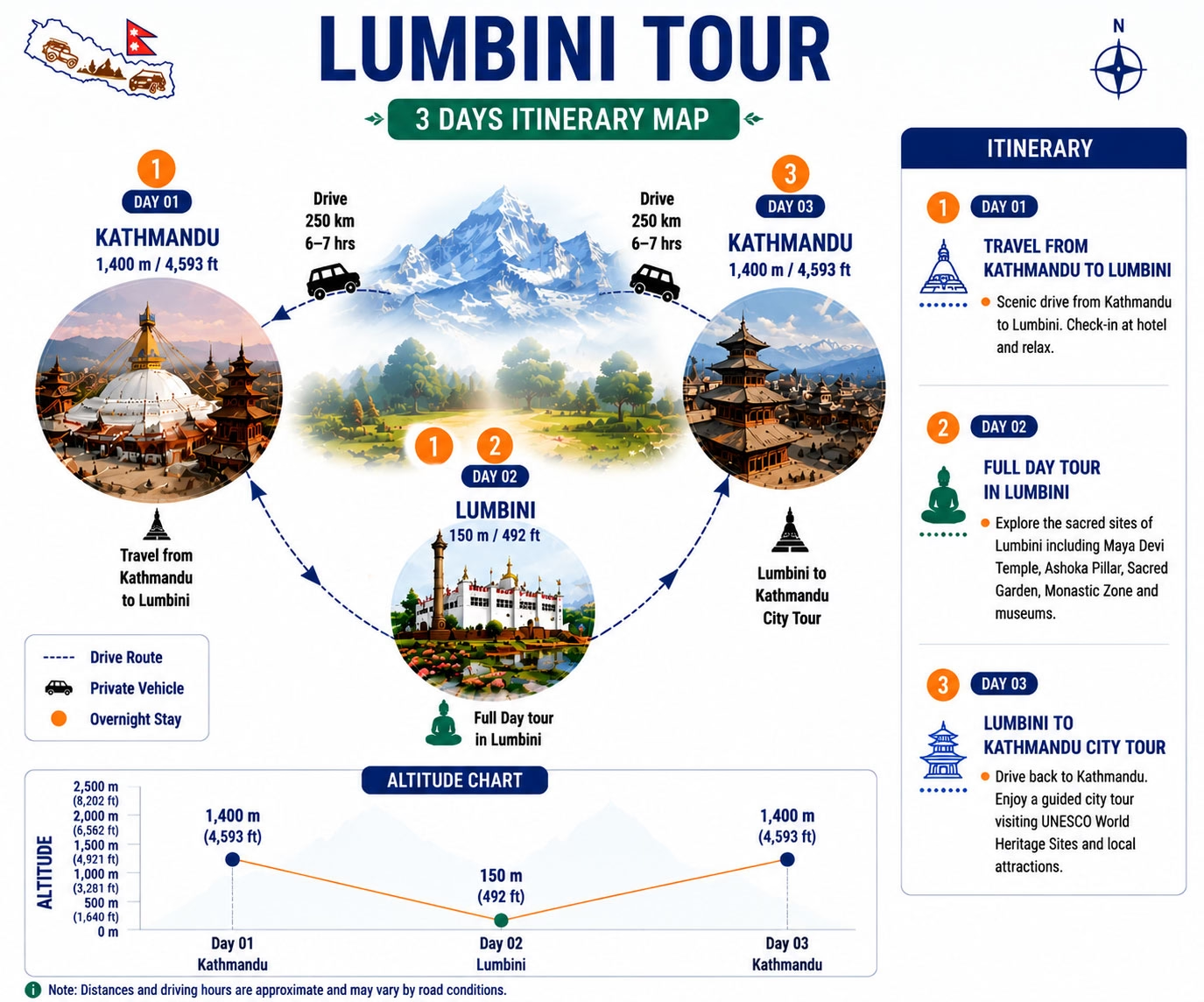
DAY 1:Travel from Kathmandu to Lumbini
In other words, it is no less than a spiritual tour into the dawn of Buddhist history, visiting Lumbini, the supposed birthplace of Gautama Buddha. The following three days travel plan will allow one to travel smoothly and explore Lumbini peacefully. Let us take you through the details of the experience in Lumbini.
Morning: Departure from Kathmandu
It begins with an early morning drive from Kathmandu via the picturesque road to Lumbini. About 300 kilometers separate Kathmandu from Lumbini; hence, it takes about 8 to 9 hours to get there by car or tourist bus. Going out of the bustling city, one will see the charming countryside of Nepal: terrace farms and traditional villages strewn about the area.
Stops on the Way
On your journey, you can make stops at some interesting places. One of them is Tansen, a town famous for its old architecture and stunning views of the Himalayas. Stop to enjoy a traditional Nepali meal at a local restaurant.
Reaching Lumbini
After the late afternoon arrival in Lumbini, you’ll check into your hotel and relax. You can then enjoy the peaceful atmosphere around you. The serenity around you will soothe your tiredness from the long drive.
Evening Walk
In the evening, a quiet and serene place for tourists connecting with nature is a visit to the Sacred Garden. The garden provides a special feeling, showing what makes Lumbini unique. You can visit the Maya Devi Temple. It glows during the evening, which creates a magical experience.
DAY 2:Full Day tour in Lumbini
Morning: Sacred Garden and Maya Devi Temple
Having refreshed yourself with a scrumptious breakfast, set off for the Sacred Garden again. Lumbini Tour takes you to a UNESCO World Heritage Site with several important landmarks. First in the line of your visit will be the Maya Devi Temple, the birthplace of Buddha. Inside, hearken to ancient ruins and the sacred pool Queen Maya Devi used to bathe her newborn son.
Visit the Ashoka Pillar
Visit the Ashoka Pillar, which Emperor Ashoka built in the 3rd century BC. The pillar has an inscription that marks Lumbini as the birthplace of Buddha. It is an important historical icon of the city. Have time to get information about its history and take pictures.
Explore the Monastic Zones
Next comes a tour of the monastic zones. Two different monasteries divide the monastic zones comprising various Buddhist monasteries from different parts of the world, each having a style of its own. Some noticeable ones among these are:
Myanmar Golden Temple
Chinese Monastery
Japanese Peace Stupa
Vietnamese Monastery
Every monastery has its design and provides you with a glimpse of how Buddha is worshipped differently by different cultures.
Afternoon: Kapilvastu Museum and Meditation
After lunch, the Kapilvastu Museum is to be visited, which contains all the fragments of the life of Buddha. It gives a better view of the history and teachings of Buddhism.
A meditation session after that may be the plan, right next door at a center. In Lumbini, there lies a chance to be in tune with yourself in all serenity.
Evening: Puja Ceremony
Attending some traditional puja at one of these monasteries in the evening is possible, an ongoing ritual involving chanting and offerings. The experience is both soothing and enlightening. These rituals are amongst the best options for understanding customs and spirituality here.
DAY 3:Lumbini to Kathmandu City Tour
Morning: Free Time
On the final day, enjoy a relaxed morning with a nice breakfast at your hotel. Take your time to unwind before your journey. You could get in some minutes of souvenir shopping or visit any place that may have escaped your attention so far. Take time to make quiet walks around the gardens. This can be the closing of your trip to Lumbini.
Departure for Kathmandu
In the early afternoon, you will head back to Kathmandu by road. Again, the drive has more beautiful views of Nepal’s countryside. If you are short of time, a domestic flight from Bhairahawa (the nearest airport) back to Kathmandu is also an option.
End of Your Tour
You will arrive at Kathmandu late afternoon or evening, marking the end of your three-day Lumbini tour. You will leave with a few breathtaking memories of some serene landscapes and spiritual experiences that connect you with one of the most sacred places in Buddhism.
Looking to Customize This Trip?
We curate bespoke private itineraries tailored to your dates, preferences, and luxury requirements.
Cost breakdown
What's included
Transportation: Private vehicle or tourist bus for Kathmandu-Lumbini-Kathmandu; optional domestic flight.
Accommodation: 2 nights in Lumbini with breakfast.
Guided Tours: Professional guide for Lumbini sightseeing.
Entry Fees: Maya Devi Temple, Ashoka Pillar, Kapilvastu Museum, and other attractions.
Meals: Breakfast and one traditional Nepali lunch.
Activities: Meditation sessions, monastic zone visits, and puja ceremonies.
Taxes: All government and local taxes.
What's not included
Flights: International and domestic (if not included).
Extra Meals: Lunches and dinners not listed in inclusions.
Personal Expenses: Souvenirs, snacks, and beverages.
Insurance: Travel insurance for emergencies and cancellations.
Tips: For guides, drivers, and hotel staff.
Extra Services: Optional activities, additional stays, or unforeseen costs.
Dates & Prices
Select start date
Prices are per person on a twin-share basis. Departures are limited, especially during peak season.
Choose Your Departure Date
Run Lumbini Tour privately for your group on any date that suits you.
No date selected yet — pick a start date from the calendar.
Trip map
Useful information
Cultural Insights
Lumbini is a source of pilgrimage from the very core of the Buddhist way of worship, a peephole to the rich culture of Nepal, a place where Buddhism blends with local customs. For the cultural impact of Lumbini to sink in, a traveler has to see how Buddha shapes Nepali life, attend customs at a temple, and talk with monks and practitioners.
The Role of Buddhism in Nepalese Culture
It is Nepal’s second most followed religion, accounting for about 8.2% of the total population. The history of Buddhism in Nepal dates back to Buddha who was born in Lumbini around the 6th century BCE. This connection makes Lumbini a place of pilgrimage for millions of people, showing its importance in Nepalese culture.
Buddhism affects many parts of Nepalese life, including art, buildings, and philosophy. Buddhist and Hindu beliefs have worked together for many years, forming a special spiritual mix. Many temples serve both religions, showing shared respect for sacred spaces. Both religions grew during the Licchavi period (400 to 750 CE), creating important art that we still see today.
Traditions and Customs at Temples
When visiting temples in Lumbini, you will notice some local customs. Events such as circumambulation in a clockwise direction around sacred objects or stupas with the saying of prayers or mantras are done out of respect to the Buddha.
Others light lanterns from butter and place flowers on altar tables. Those acts signify the search for enlightenment, the beauty of life. During these times when people meditate or chant in unison, the setting produced in these places of worship helps to strengthen ties in their faith and community circles.

Activities Beyond Sightseeing
Beyond sightseeing, there are many other things to do in Lumbini. It’s the place to chill out, ponder, and grow spiritually. In addition to sightseeing, peaceful activities nurture both body and mind. Following are the key experiences that one should have in Lumbini:
Meditation and Monasteries:
Lumbini is a popular place for meditation in the local monasteries.
The sessions will let you unwind and help your inner self concentrate on everything in life.
Meditate in tranquil environments like the Korean Monastery and Japanese Temple, guided by experts in meditation. It reduces stress and anxiety, enhances concentration and clarity of the mind, and deepens your spiritual journey toward Buddha’s teachings.
Buddhist Philosophy Workshops:
Lumbini hosts workshops that focus on Buddhist philosophy and teachings.
You’ll learn from knowledgeable instructors about the life of Buddha and Buddhist practices.
The workshops can be based on different titles: the Four Noble Truths and the Path of Enlightenment, mindfulness practices to use in daily life and lastly it can be on Buddhist ethics and how they can guide your actions.
Nature Walks Around the Sacred Garden
The Sacred Garden in Lumbini is perfect for peaceful walks.
Lumbini is a UNESCO World Heritage site known for its lovely trees, flowers, and peaceful shrines.
The walks let you enjoy nature while reflecting on your journey.
The main highlights of nature walks are the stunning scenery that helps you relax and the possible sightings of local wildlife, such as birds.
It’s an opportunity to admire temples that were built in different countries.

Travel Tips for the Lumbini Tour
Lumbini attracts visitors from around the globe. Respecting this sacred place’s cultural and spiritual significance is important to make the most of your trip. Respecting this sacred place’s cultural and spiritual significance is important to make the most of your trip. Here are a few simple tips to make your visit more meaningful.
Dress Modestly: It’s best to wear clothes that cover your shoulders and knees, especially when visiting temples and sacred sites. Choose light, breathable fabrics for comfort in the warm climate, but keep them respectful.
Behave Calmly: Keep your voice low and stay calm, as Lumbini is a peaceful place for reflection. Avoid loud talking or actions that might disturb those meditating or praying. Remember to remove your shoes before entering temples and sacred areas as a sign of respect.
Be Mindful: Be aware of the people around you who tackle time for quiet moments or meditation when you’re in sacred areas.
Photography Etiquette: Always ask for permission before taking pictures. Don’t use flash photography inside temples or during ceremonies and avoid areas with clear signs saying photography is prohibited.
Capture and Share Thoughtfully: Focus on the beauty of the surroundings. Take pictures of the landscapes, temples, and nature, not personal moments. Learn to be responsible when posting these photos online, be mindful of the cultural context, and avoid sharing anything disrespectful.
Follow Safety Tips while Traveling: Stay informed about local news, especially during the monsoon or political changes. Drink bottled water, carry hand sanitizer and be cautious with street food. Keep emergency contacts handy and respect local laws.

Conclusion
Visiting Lumbini means more than a view of ancient sites; it offers personal and spiritual development opportunities. Somehow, Lumbini fuses history, culture, and quietness into something unique in a place that makes that place forever stay in memory. Herein lies peace, herein the quiet to muse about life. Travelers leave Lumbini with more than memory snapshots of scenic beauty and old temples. They return home with new insights that foster mindfulness and kindness daily.
Whether you come for spiritual growth or to see an important cultural site, Lumbini is ready to welcome you with open arms. Lastly, Lumbini shows that even in a busy world, there is a place of peace where you can stop reflecting and reconnect with yourself through Buddha’s teachings. Your journey may end when you leave. But the lessons and peace of Lumbini will stay with you long after you return home.