
What Is Teahouse Trekking? What Is It Like to Stay in Teahouses in Nepal?
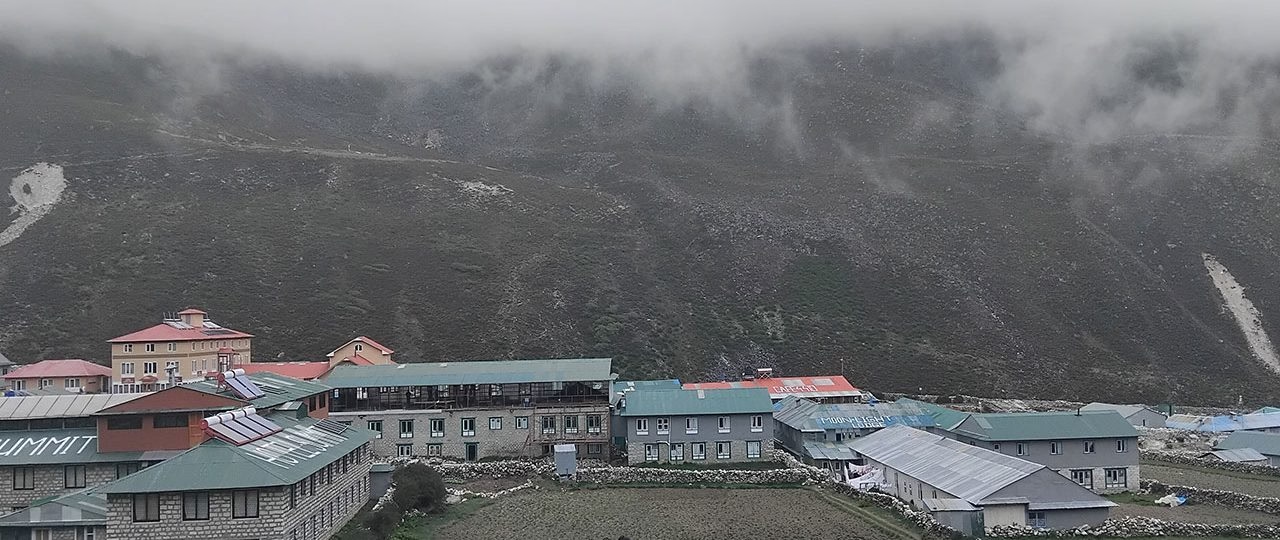
Teahouse trekking is one of the most popular ways to explore the beautiful mountains of Nepal. Instead of carrying tents and cooking equipment, trekkers stay in small local lodges called teahouses along the trekking trails. These teahouses provide simple rooms, warm meals, and a safe place to rest after a long day of walking. Because of this comfort and simplicity, teahouse trekking has become the first choice for beginners and experienced trekkers.
Nepal is home to some of the world’s most famous trekking routes, including Everest Base Camp, Annapurna Circuit, Langtang Valley, and Manaslu. Every year, more than 5,00,000 trekkers visit Nepal, and most of them choose teahouse trekking. This system allows travellers to walk freely from village to village while enjoying local food, culture, and hospitality without worrying about heavy luggage or complex planning.
Staying in teahouses also creates a special connection between trekkers and local families. Most teahouses are run by villagers, which helps to support the local economy and provide jobs in remote mountain areas. From warm cups of tea to simple but filling meals, every stop adds comfort and joy to the journey.
In this blog, you will clearly learn what is teahouse trekking in Nepal, what teahouses are like, how much they cost, and what you can expect during your stay in the mountains.
What Is Teahouse Trekking?
Teahouse trekking is a style of trekking where travellers stay in small mountain lodges called teahouses instead of camping in tents. These teahouses are found along popular trekking routes across Nepal and provide basic but comfortable services such as a bed, meals, drinking water, and a warm place to rest. This makes trekking easier, safer, and more enjoyable, especially for beginners.
In the past, trekking in Nepal mainly involved camping. Trekkers had to carry heavy tents, food, cooking equipment, and fuel. This required guides, porters, and large support teams. Teahouse trekking changed this system by allowing trekkers to walk light and stay overnight in local lodges. Today, most trekking routes in Nepal, including Everest Base Camp Trek, Annapurna Circuit Trek, and Langtang Valley Trek, are fully supported by teahouses.

A typical teahouse offers simple rooms with twin beds, shared toilets, and a dining area where hot meals are served. At lower altitudes, teahouses are comfortable, with better rooms and hot showers. As altitude increases, facilities become more basic, but they still provide warmth, safety, and food, which are essential for trekkers.
On average, staying in a teahouse costs between 500 and 900 Nepalese rupees per night at lower elevations. At higher altitudes, prices can increase slightly due to transportation challenges. Meals usually cost between 1,200 rupees, depending on location and altitude.
Because of its comfort, affordability, lightness, and cultural experience, teahouse trekking has become the most popular trekking style in Nepal, suitable for solo travellers, families, and adventure lovers alike.
History and Growth of Teahouse Trekking in Nepal
In the early days, trekking in Nepal was very different from today. Before the 1970s, there were very few lodges in the mountains. Trekkers had to camp in tents and carry all food, fuel, and equipment with them. This made trekking expensive, difficult, and suitable only for experienced adventurers with strong support teams.
The idea of teahouse trekking slowly started when local villagers opened small homes to travelers, offering tea, simple meals, and a place to sleep. As more trekkers began visiting Nepal, especially after the country opened its borders to foreign tourists in the 1950s, the simple system grew quickly. By the late 1970 and 1980s, popular trekking routes like the Everest Base Camp trail and Annapurna Circuit had many small lodges built by local families.
Over time, these small homes turned into proper teahouses with better rooms, dining halls, and basic facilities. Today, major trekking regions such as Everest, Annapurna, Langtang, and Manaslu have hundreds of teahouses spread across villages and high mountain passes. This has made trekking safer, more comfortable, and accessible to people of all ages.
According to Nepal tourism records, more than 200,000 trekkers visit Nepal every year, and nearly 90% of them use teahouse trekking services. This system has created thousands of local jobs, including lodge owners, cooks, guides, and porters. Teahouse trekking has also helped to improve roads, schools, and health services in remote mountain villages.
Because of its strong connection to local culture and economy, teahouse trekking is now an important part of Nepal’s tourism identity and rural development.
What Are Teahouses Like? Room, Bed, and Basic Facilities
Teahouses in Nepal are simple mountain lodges that provide basic comfort for trekkers. They are not luxury hotels, but they offer everything needed to rest, eat, and recover after a long day of walking. Most teahouses are run by local families, which gives travelers a warm and welcoming experience.
A typical teahouse room is small and simple. Most rooms have two single beds with a mattress, pillow, and blanket. The walls are usually made of wood or stone, and floors may be wooden. At lower altitudes, rooms can feel comfortable, but as you go higher, rooms become more basic and colder. In higher regions like Gorakshep near Everest Base Camp, room temperatures can drop below freezing at night, especially in winter.
Bathrooms are usually shared. Some teahouses have Western-style toilets, while others may have squat toilets. Hot showers are available in many places, but you often need to pay extra. In higher altitudes, hot showers become limited due to cold temperatures and a lack of water pressure. Instead, bucket hot water may be offered for washing.
The heart of every teahouse is the dining hall. This is where trekkers eat, relax, and socialize. Most dining halls have a central fireplace or stove that keeps the room warm during cold evenings. Trekkers from around the world gather here, share stories, charge devices, and enjoy hot meals.
Electricity is available in most teahouses, but charging electronic devices usually costs extra, especially at high altitudes. Wi-Fi is available on many routes, but the speed can be slow and unreliable. In summary, the teahouses in Nepal provide simple comfort, safety, and warmth, making long treks in Nepal both enjoyable and manageable.

Food in Teahouses: What Do You Eat During Teahouse Trekking?
Food plays a very important role during the teahouse trekking because your body needs enough energy to walk long distances every day. Teahouses in Nepal offer simple, fresh, and filling meals that are designed to keep trekkers strong and healthy.
The most common and popular meal is Dal Bhat, which includes rice, lentil soup, vegetable curry, and sometimes pickle or spinach. Dal Bhat is rich in carbohydrates and protein, making it perfect for trekking. Most teahouses offer unlimited refills of Dal Bhat, which helps trekkers to eat enough and stay energized. Because of this, trekkers often say, “Dal Bhat power, 24 hours”.
Other common food options include noodles, fried rice, pasta, soups, momos, pancakes, eggs, porridge, potatoes, and bread. At lower altitudes, menus are larger and offer more choices. As you go higher, food options become more limited because supplies must be carried by porters, yaks, or mules.
On average, a trekker burns between 3,000 and 5,000 calories per day while trekking in the mountains. To meet this energy need, meals are designed to be high in calories and carbohydrates. Breakfast usually includes porridge, eggs, toast, chapati, or pancakes. Lunch and dinner often consist of Dal Bhat, noodles, soup, or rice-based dishes.
Food prices increase with altitude due to transportation difficulty. At lower altitudes, a meal may cost 500 to 700 Nepalese rupees, while at higher altitudes, it can rise to 1,200 to 1,800 rupees per meal. The food during the teahouse trekking in Nepal is usually freshly prepared and hygienic. Drinking boiled water, tea, and soup is also common to stay warm and hydrated during the trek.
Cost of Staying in Teahouses
One of the biggest advantages of teahouse trekking in Nepal is its affordability. Compared to trekking styles in many other countries, staying in teahouses is budget-friendly while still providing basic comfort and safety.
At lower altitudes, the cost of a room in a tea house usually ranges from 300 to 800 Nepalese rupees per night. In many places, if you eat dinner and breakfast at the same house, the room may even be provided for free or at a very low price. At higher altitudes, such as above 4,000 meters, room prices can increase slightly, ranging from 800 to 1,500 per night, due to transportation challenges and limited supplies.
Food is the main expense during the teahouse trekking in Nepal. On average, trekkers spend 1,500 to 3,000 rupees per day on meals, depending on altitude and food choices. Simple meals like Dal Bhat, noodles, and soup are cheaper, while western dishes and packaged snacks cost more.
Additional costs include hot showers, charging electronic devices, and Wi–Fi. A hot shower may cost 300 to 600 rupees, while charging a phone or power bank costs 200 to 500 rupees per hour at higher elevations. Wi-Fi services may range from 300 to 700 rupees for limited data.
Overall, the average daily budget for teahouse trekking ranges from 2,000 to 4,000 Nepalese rupees per day for budget trekkers and 4,000 to 6,000 rupees for those seeking more comfort. This affordable system allows trekkers to explore the Himalayas without spending large amounts of money, making Nepal one of the best trekking destinations in the world.
Daily Life in a Teahouse: What Is It Like to Stay There?
Life in a teahouse during a trek is simple, peaceful, and deeply memorable. After walking for five to eight hours through mountain trails, forests, and villages, reaching a warm teahouse feels comforting and rewarding. The atmosphere is calm, friendly, and full of shared stories.
A typical day starts early in the morning. Trekkers wake up around 6 am, wash their faces with cold or warm water, and gather in the dining hall for breakfast. Hot tea, coffee, porridge, eggs, and bread help to prepare the body for the day’s hike. After breakfast, trekkers pack their bags, fill their water bottles, and begin walking towards the next village.
In the evening, everyone arrives tired but happy. The dining hall becomes the center of activity. Trekkers from different countries sit together, share meals, talk about their journeys, and exchange travel tips. The warm fireplace in the middle of the room creates a cozy feeling, especially on cold nights. Many people read books, write journals, play cards, or simply relax while enjoying hot drinks.
Dinner is usually served early, around 6 to 7 pm. After eating, most trekkers go to bed early because nights are cold and mornings start early. The silence of the mountains, star-filled skies, and cool air create a peaceful sleeping environment.
Staying in teahouses also allows trekkers to experience local culture closely. Friendly hosts, traditional food, simple lifestyles, and warm hospitality make the stay special. This daily rhythm of walking, eating, resting, and connecting with people creates unforgettable memories and makes the teahouse trekking in Nepal truly unique.

Advantages and Disadvantages of Teahouse Trekking
Teahouse trekking is one of the most popular ways to explore the mountains of Nepal. Instead of carrying heavy tents and cooking equipment, trekkers stay in small lodges run by local families. These teahouses provide food, a warm place to rest, and basic facilities. Because of this, trekking becomes easier, safer, and more enjoyable for people of all ages. Most popular trekking routes in Nepal, such as Everest, Annapurna, Langtang, and Manaslu, are fully supported by teahouses, making trekking accessible even for beginners. Every Year, tens of thousands of travellers choose this style, creating jobs for local villages and supporting communities.
Advantages of Teahouses Trekking
No need to carry tents, cooking gear, or extra food, a light backpack makes waking easier
Affordable accommodation and meals, suitable for budget travelers
Warm, filling meals available daily, helping trekkers stay energized
Safe shelter and rest at every stop along the trail
Cultural experience with local families and villages
Comfortable rest after long trekking days
Flexible itinerary, which is easy to shorten or extend trekking days
Suitable for solo travelers, families, and older trekkers
Disadvantages of Teahouse Trekking
Shared rooms and toilets mean less privacy
Basic facilities, especially at high altitudes
Rooms can be cold at night in winter or above 4,000 meters
Limited food options in remote villages
Wi-Fi and electricity may be slow or unavailable
Hot showers often cost extra and may not be available at higher elevations
During peak seasons, teahouses can become crowded
Overall, teahouse trekking in Nepal balances comfort and adventure. While the facilities are simple, the warmth of local hospitality, safety, and cultural experience make it a memorable and enjoyable way to explore Nepal’s mountains.
Essential Tips for Staying in Teahouses in Nepal
Staying in teahouses is comfortable, but a few simple tips can make your trekking experience much smoother. Knowing what to expect, how to plan, and how to behave will help you to enjoy your journey fully.
Booking and Arrival: Most teahouses do not require booking, especially on less crowded trails. However, during peak seasons (March to May and September to November), it is better to book in advance or arrive early in the day to secure a room. Check for the room type and confirm whether a blanket is included.
Room Tip: Always carry a small sleeping bag or liner, as high altitude teahouse blankets may be thin. If possible, choose rooms facing the mountains for better views. Keep your room tidy and respect shared spaces.
Food and Hydration: Eat local meals like Dal Bhat, noodles, soups, and pancakes to stay energized. Drink plenty of boiled water or tea to stay hydrated. Remember, food and drinks become more expensive, so carry some snacks for emergencies.
Electricity and Wi-Fi: Charging devices usually cost extra at high altitude locations, ranging from NPR 200-500 per hour. Wi-Fi is available in many teahouses but may be slow or unreliable, especially above 3,500 meters.
Hygiene and Safety: Bring your own toilet paper, hand sanitizer, and wet wipes, as not all teahouses provide them. Avoid walking barefoot in shared bathrooms to prevent infections. Keep small first-aid items and medicines handy.
Etiquette and Cultural Respect: Greet hosts with a smile and follow local customs. Be mindful of noise in common areas, especially in the evening.
Following these tips helps you to stay comfortable, safe, and respectful while trekking. With preparation, teahouse trekking becomes not just a journey through mountains, but a chance to experience Nepal’s culture, warmth, and hospitality fully.