Training for Nepal Treks | Complete Fitness & Altitude Preparation Guide
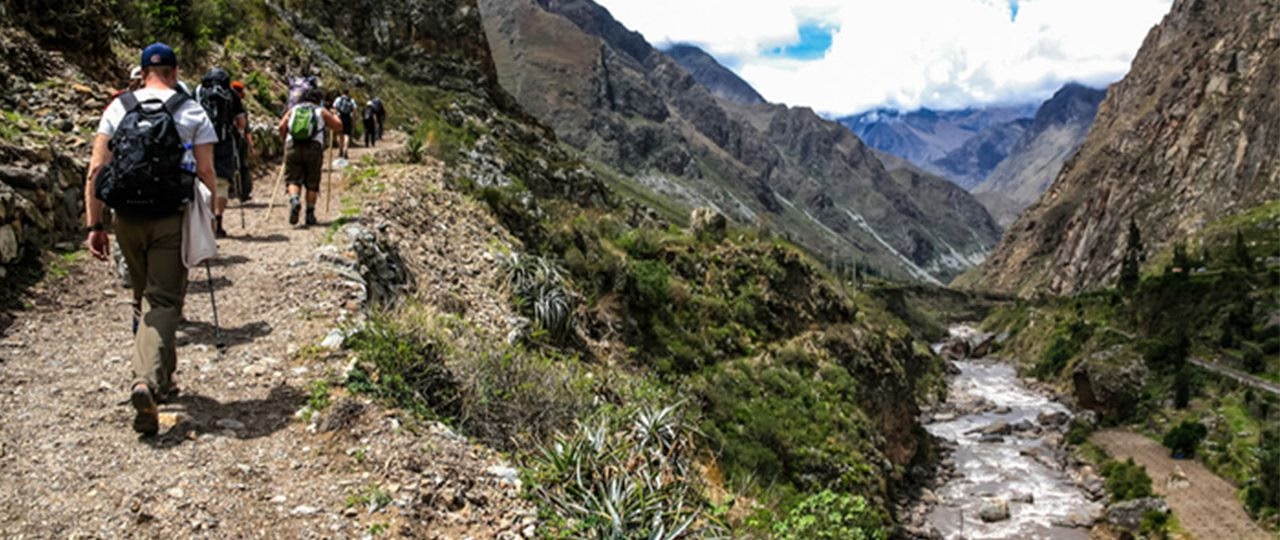
Trekking in Nepal is a dream for many people. This Himalayan country is famous for its high mountains, beautiful valleys, peaceful villages, and friendly people. Popular treks like Everest Base Camp, Annapurna Base Camp, Langtang Valley, and Mardi Himal attract thousands of trekkers every year. These trips are not just simple walks. They include long walking hours, steep uphill and downhill paths, thin air, cold weather, and rough trails. Because of these challenges, proper training for Nepal treks is very important.
Many people think that trekking only needs strong legs, but that is not true. Trekking needs full body fitness, good breathing power, mental strength, and strong stamina. Without training, trekkers can feel very tired, weak, dizzy, and uncomfortable. Some people even get injured or sick during the trek. But with good training, your body becomes stronger, your breathing improves, and your mind becomes calm and confident. Training helps you to walk longer, enjoy the views, and complete your trek safely.
Training also helps you adjust to high altitude. As you go higher, the air becomes thinner, and your body gets less oxygen. This can cause headache, tiredness, and breathing problems. When your body is trained, it can handle these changes better. You will feel more comfortable and less stressed.
Training for Nepal treks is important for everyone, whether you are young or old, beginner or experienced. Even people who exercise regularly need special training for Himalayan trekking. It is best to start training at least 6 to 8 weeks before you trek. Simple exercises like walking, climbing stairs, stretching, and breathing practice can make a big difference.
With proper training, trekking in Nepal becomes safer, easier, and more enjoyable. You will feel confident, strong and ready to explore the beautiful Himalayas.
Understanding Trekking Challenges in Nepal
Trekking in Nepal is a wonderful adventure, but it also comes with physical and mental challenges. The trails pass through high mountains, deep valleys, and remote villages where facilities are limited. Trekkers must walk for long hours on rough and steep paths while facing cold weather and thin air. These conditions are very different from normal day-to-day life, so the body and mind need special preparation. Understanding these challenges before starting a trek helps trekkers to prepare better, stay safe, and enjoy the journey more.
Main Trekking Challenges in Nepal
High Altitude: As altitude increases, oxygen level decreases, which causes difficulty in breathing, headache, dizziness, and tiredness.
Long Walking Hour: Walking 5-7 hours daily can make your legs and feet sore, especially for beginners.
Steep Uphill and Downhill Trails: Continuous climbing and descending put heavy pressure on knees, thighs, and ankles.
Rough and Rocky Paths: Uneven trails increase the risk of slipping, foot pain, and major injuries.
Cold and changing weather: Sudden rain, cold wind, or snow can make training uncomfortable and tiring.
Heavy Backpack: Carrying extra weight strains the shoulders, back, and legs, which causes faster fatigue.
Mental Tiredness: Long days, slow walking, and simple living conditions can reduce motivation.
Limited Facilities: Basic food, shared rooms, and simple toilets require mental adjustment.
Understanding these challenges helps trekkers to prepare physically and mentally. With proper training, these difficulties become easier to handle. Strong preparation allows trekkers to walk comfortably, stay safe, and fully enjoy the natural beauty and peaceful environment of Nepal’s mountains.

Building Basic Fitness for Trekking
Building basic fitness is the first and most important step in training for Nepal treks. Trekking means walking for many hours every day on mountain trails. These trails are often steep, rocky, and uneven. To walk comfortably in such conditions, your body needs good strength, stamina, and balance. Basic fitness helps your heart, lungs, muscles, and joints work better. It increases your energy level and reduces tiredness during long walking days.
Basic fitness can be built through simple daily activities. Regular walking is the best exercise for trekkers. You can start with short walks and slowly increase the distance and time. Walking uphill or climbing stairs is very helpful because it prepares your legs for mountain trails. Light jogging, cycling, and swimming also improve heart and lung fitness. These activities help your body to use oxygen better, which is useful at high altitude. Stretching exercises keep muscles flexible and reduce the chance of injury. Simple home workouts like jumping, skipping, and basic yoga movements also support overall fitness.
Consistency is more important than intensity. It is better to exercise a little every day than to train very hard once in a while. A daily routine of 30 to 60 minutes of activity is enough to build good fitness. You should increase your training slowly so that your body can adjust safely. Rest days are also important because they allow muscles to recover and grow stronger.
With good basic fitness, trekking becomes easier and more enjoyable. You can walk longer without feeling too tired, breathe more comfortably, and recover faster after each day. This helps you to enjoy the natural beauty, peaceful villages, and amazing mountain views of Nepal with confidence and comfort.
Strength Training for Trekking in the Mountains
Strength training is an important part of preparing for trekking in Nepal. Mountain trails are often steep, rocky, and uneven, which requires strong legs, a stable core, and a healthy upper body. Trekking with a backpack also puts extra weight on your shoulders and back. Building strength makes walking easier, reduces fatigue, and helps you maintain balance on difficult paths. You do not need a gym or heavy equipment; simple exercise at home or outdoors can prepare your body very well for trekking.
Leg strength is especially important because trekking involves a lot of uphill climbs and downhill walks. Exercises like squats, lunges, sit-ups, and wall sits help strengthen your thighs, calves, and glutes. Core exercises like planks, side planks, and basic yoga moves to improve balance and stability. Strengthening your shoulders and body with light push-ups or resistance bands helps to carry your backpack comfortably. These exercises also protect your joints and reduce strain while walking on rocky and uneven paths.
It is best to train 3-4 times a week, gradually increasing repetitions or difficulty. You can combine simple bodyweight exercises with outdoor activities like hiking or stair climbing for better results. Flexibility exercises and stretching should be included to keep muscles loose and prevent stiffness. Consistency is key: every 30-40 minutes of focused strength training can make a huge difference over a few weeks.
With regular strength training, your body becomes more prepared for long trekking days. Walking uphill feels easier than downhill. Steps are safer, and carrying your backpack becomes more comfortable. Strong muscles and a stable core allow you to enjoy Nepal’s mountains without unnecessary fatigue or discomfort, giving you confidence and energy throughout the trek.
Endurance Training for Long Walking Days
Endurance is the ability to keep moving for long periods without getting overly tired. Trekking in Nepal requires walking for 5 to 7 hours each day, sometimes over several days in a row. Without good endurance, even short treks can feel exhausting. Endurance training strengthens your heart, lungs, and muscles, allowing you to walk longer distances comfortably and recover faster after each day. It also prepares your body to handle uphill climbs, downhill steps, and carrying a backpack for hours.
Simple activities can improve endurance effectively. Walking regularly is the easiest way to start. Begin with short walks and gradually increase the distance and pace. Stair climbing or hill walking is very helpful because it stimulates the muscles in the legs. Jogging, cycling, or swimming can also strengthen your cardiovascular system and improve lung capacity. Another helpful method is “long slow walks ”on weekends, where you walk for 2-3 hours at a steady pace with a small backpack. This builds stamina and prepares your legs and feet for trekking conditions.
It is important to increase endurance gradually to avoid injuries or excessive fatigue. Start with 20-30 minutes daily and slowly increase the time and intensity. Consistency is more important than speed because training a little every day is better than overdoing it in one day. Proper rest, hydration, and light stretching after each session also support endurance and development.
With good endurance, trekking becomes much easier and more enjoyable. You can walk longer distances without feeling exhausted, climb up hills with more energy, and maintain a steady pace throughout the day. Strong endurance ensures that you can focus on the beauty of the mountains and the joy of trekking instead of worrying about tiredness.

Breathing and Altitude Preparation
Breathing properly and preparing for high altitude is a very important part of training for Nepal treks. As you climb higher into the mountains, the air becomes thinner, which means there is less oxygen to breathe. This can make you feel tired, dizzy, or short of breath, especially if your body is not used to it. Trekking at high altitude is very different from walking in the city, so practicing breathing and preparing your lungs before the trek can make a big difference.
Simple breathing exercises can help to strengthen your lungs and improve oxygen intake. Deep breathing is the easiest method: inhale slowly through your nose, hold for a few seconds, and then exhale slowly through your mouth. Practicing this several times a day trains your lungs to work more efficiently. Nose breathing while walking slowly is another helpful method, as it improves oxygen absorption and keeps your heart rate steady. Yoga breathing techniques, like alternate nostril breathing or diaphragmatic breathing, are also very effective for high-altitude preparation.
It is also important to practice walking at a slow and steady pace, as this helps your body adjust to reduced oxygen levels. You can gradually increase your walking speed and distance while focusing on controlled breathing. Staying relaxed and calm while walking uphill or carrying a backpack is key. Drinking enough water supports lung function and helps your body adapt to altitude changes.
With proper breathing and altitude preparation, you will feel more comfortable and confident on high trails. Your energy will last longer, walking will feel easier, and you will recover faster after each day. Preparing your lungs and breathing habits before the trek ensures that you can fully enjoy Nepal’s beautiful mountains without feeling exhausted or overwhelmed.
Mental Training for Trekking in Nepal
Trekking in Nepal is not just about physical strength, but it also requires mental strength. Long walking days, steep trails, cold weather, and remote areas can be tiring and sometimes stressful. Your mind plays a big role in how you handle these challenges. Mental training helps you to stay calm, patient, and motivated during the trek, making the journey more enjoyable and safer. Even if your body is strong, a weak mindset can make trekking feel very hard.
Simple techniques can improve mental strength. Positive thinking is very important to remind yourself that you can handle the walk and that each step brings you closer to your goal. Visualization is another helpful method: imagine yourself reaching the top, enjoying the views, and feeling strong. Practicing meditation or quiet breathing for a few minutes each day can reduce stress and improve focus. Learning to stay calm in unexpected situations, like sudden rain or a steep climb, builds confidence. Setting small goals, such as reaching the next rest point, makes long walks feel manageable.
Mental training also improves patience and resilience. Trekking days can be long, and progress may sometimes feel slow. Accepting that it is a part of the journey helps you to stay motivated. Encouraging yourself and your trekking companions can boost morale during difficult moments. Combining mental preparation with physical training ensures that both your body and mind are ready for the trek.
With strong mental training, trekking in Nepal becomes more enjoyable and less stressful. You will feel confident on challenging paths, stay motivated even when tired, and appreciate the beauty around you. Mental preparation ensures that every step of your trek is safe, fulfilling, and memorable.
Diet and Hydration During Training
Proper diet and hydration are very important when preparing for trekking in Nepal. Your body needs the right fuel to build strength, stamina, and endurance. Eating healthy foods and drinking enough water during training helps muscles recover, prevents fatigue, and improves overall performance. Without proper nutrition, even strong and fit trekkers may feel tired, weak, or unwell during a trek.
A balanced diet includes carbohydrates, protein, and healthy fats. Carbohydrates, like rice, bread, oats, and fruits, give energy for long walks and training sessions. Proteins are found in eggs, beans, lentils, meat, and dairy, which help to repair and build muscles. Healthy fats, like nuts, seeds, and avocado, provide you with long-lasting energy. Including fresh vegetables and fruits supplies vitamins and minerals, which strengthen your immunity and keep you healthy during training.
Hydration is equally important. Drinking water before, during, and after training seasons helps to prevent dehydration, keep your body temperature normal, and support muscle function. Avoid sugary drinks or too much caffeine, as they dehydrate the body. Eating small meals and snacks throughout the day, rather than one large meal, ensures steady energy levels. Pre-training meals should focus on energy-rich foods, and post-training meals should include protein to help muscles recover.
Following a healthy diet and staying hydrated makes your training more effective. Your body will feel energetic, recover faster, and be prepared for long trekking days. Proper nutrition and water intake improve endurance, strength, and focus, helping you to enjoy trekking in Nepal comfortably and safely while keeping your body strong and healthy.
Trekking Gear and Equipment Preparation
Preparing the right gear and equipment is just as important as training your body for trekking in Nepal. Even if you are physically fit, improper gear can make trekking uncomfortable, tiring, or unsafe. Good gear helps you to walk longer, stay warm, protect yourself from injuries, and enjoy the trek fully.

Essential gear for Nepal Treks
Backpack: A comfortable backpack, 30-40 L for day packs,50-60 L for multi-day treks with padded straps to carry clothes, food, and water.
Footwear: Durable trekking boots with ankle support, good grip, and waterproofing. Break them in before the trek to avoid blisters.
Clothing: Layered clothing for changing weather, such as a base layer (thermal), mid layer (fleece), and outer layer (waterproof jacket).
Sleeping Gear: For longer treks, a lightweight sleeping bag suitable for cold temperatures is essential.
Accessories: Trekking poles, gloves, hat, sunglasses, sunscreen, water bottle, and a first aid kit.
Tips for Gear Preparation
Test all equipment before the trek to ensure comfort and durability.
Pack light but include all essentials to avoid unnecessary weight.
Organize items so that frequently used things are easy to reach.
Make a checklist of essentials to prevent forgetting anything important.
Having the right trekking gear ensures your body’s effort is not wasted, and your trek is more enjoyable. When you combine proper gear with physical fitness, endurance, strength, and mental preparation, then you are fully ready to face Nepal’s beautiful mountains safely and comfortably.
Final Say About Training for Nepal Treks
Training for Nepal Treks is a key to safe, comfortable, and enjoyable mountain journeys. Proper preparation builds strength, stamina, balance, and breathing ability, helping trekkers handle long walking days, steep trails, and high altitude. Mental readiness, healthy food habits, and the right gear further support a smooth trekking experience.
Simple daily exercises, steady progress, and positive thinking make a big difference. When your body and mind are well prepared, trekking becomes less tiring and more rewarding. With good training, you can fully enjoy Nepal’s natural beauty, peaceful villages, and majestic Himalayan views with confidence, comfort, and lasting memories.