Spring Trekking in Nepal: Weather, Crowds, Flowers & Mountain Views
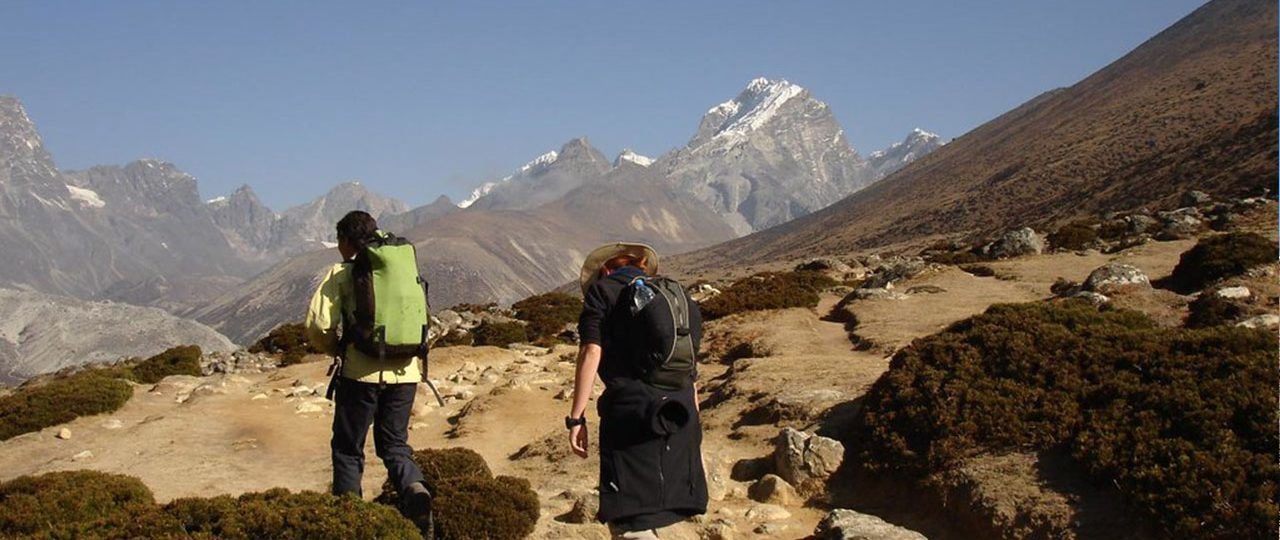
Spring trekking in Nepal feels like the country is slowly opening its eyes after a long winter sleep. The cold fades away, the snow begins to melt, and the mountains start to breathe again. From March to May, trails that were quiet and frozen in winter turn lively with trekkers, blooming forests, and clear blue skies.
This is the season when Nepal looks most colorful. Hills turn green, rhododendron flowers paint the forests red, pink, and white. The high Himalayan peaks shine brighter under longer daylight. The air feels fresh, mornings are crisp, and walking during the day is comfortable even at higher altitudes.
Spring is also one of the most reliable times for trekking. The weather is mostly stable, visibility is excellent, and the risk of heavy rain is very low. That is why both first-time trekkers and experienced hikers choose spring for classic routes like Everest Base Camp, Annapurna Base Camp, and many beautiful short treks.
Yes, the trails are busier in spring, but they are also full of energy. Teahouses are open, local villages feel alive, and fellow trekkers from around the world share the same excitement. If you want a perfect mix of pleasant weather, colorful landscapes, and stunning mountain views, then spring trekking in Nepal offers an experience that feels fresh, joyful, and unforgettable.
Spring Weather in Nepal
Spring weather is one of the biggest reasons people choose to trek in Nepal during this season. After the harsh cold of winter, the temperature slowly rises, which makes walking on the trails much more comfortable. From March to May, days are generally sunny, skies are mostly clear, and the air feels fresh and clean.
In lower trekking areas like Pokhara, Kathmandu valley, and the foothill trail, daytime temperatures usually feel warm and pleasant. You can walk in a light shirt during the day. At higher altitudes, mornings and nights are still cold, but that daytime sun makes trekking enjoyable without extreme cold.
March is slightly cooler, especially in the mornings. You may still see snow on higher passes. April is often considered the best month, with stable weather, mild temperatures, and very clear mountain views. May becomes warmer, especially at lower elevations, but mornings usually remain clear before clouds build up in the afternoon.
Compared to winter, spring has fewer weather surprises. Snowfall is rare on popular trekking routes, and heavy rain has not yet started. This balance of cool mornings, warm days, and clear skies makes spring weather ideal for long walking days and relaxed evenings in teahouses.

Rhododendrons and Wildflowers: When Trails Turn Colorful?
Spring is the season when trekking trails in Nepal stop looking quiet, and they start feeling alive. As the snow melts and the sun gets stronger, flowers begin to bloom across hills, forests, and mountain Villages. This is why spring is often called the most colorful trekking season in Nepal.
Rhododendrons are the real stars of spring. These are Nepal’s national flowers. During March and April, entire forests turn red, pink, white, and even deep purple. You do not need to be a plant expert to enjoy them. When you walk through these forests, it feels like you are trekking through a natural garden with petals covering the ground and flowers hanging above the trail.
Wildflowers also bloom at different altitudes. Lower trails see bright yellow and white flowers early in spring, while higher areas start blooming later as the temperature rises. This means the scenery keeps changing as you gain altitude, which makes each day of the trek feel different and fresh.
Regions like Annapurna, Langtang, and the lower Everest area are especially beautiful in spring. The flowers soften the rugged mountain landscape and add color to villages and forests. For many trekkers, these blooming trails become just as memorable as the high Himalayan peaks themselves.
Mountain Views in Spring
One of the most magical parts of spring trekking in Nepal is how clear and sharp the mountain views look. After winter, the air is cleaner, the dust is low, and the skies are often bright blue. This creates perfect conditions for seeing the Himalayas in their full glory.
In spring, the contrast between white snow-covered peaks and green hills is very strong. Mountains like Everest, Annapurna, Machhapuchhre, and Langtang Lirung stand out clearly against the sky. The sunlight in spring is softer than in summer, which makes the mountain look brighter and more detailed, especially in the early morning.
Mornings are usually the best time for mountain views. The sky is calm, clouds are low, and peaks appear close and sharp. As the day goes on, clouds may slowly build up, especially in mid-afternoon, but the views rarely disappear completely.
Because of this clear visibility, spring is a favorite season for photographers and first-time trekkers. You do not need technical knowledge or perfect timing; many viewpoints naturally offer stunning panoramas. In spring, the Himalayas do not just look big, they look alive, fresh, and welcoming.

Crowds on Spring Treks
Spring is one of the busiest trekking seasons in Nepal, and it is important to be aware of that. Popular Routes attract trekkers from all over the world, especially during April and early May. However, busy does not mean unpleasant; it often means they are lively, safe, and well-supported.
On famous trails like Everest Base Camp and Annapurna Base Camp, you will see many trekkers each day. Teahouses are active, villages feel energetic, and the trails feel social rather than lonely. For first-time trekkers, this can actually be comforting as help and company are always nearby.
Not all spring treks are crowded. Some routes, especially side trails, lesser-known regions, or early March treks, are much quieter. Walking just one or two days away from the main routes can give you peaceful trails without missing the spring beauty.
Crowds also mean better services. Teahouses are fully open, food choices are better, and transportation runs smoothly. If you plan well, start walking early in the morning, and choose smart itineraries, spring crowds become part of the experience, not a problem.
Best Spring Treks in Nepal
Spring is a flexible season for trekking in Nepal, which means it works well for short walks, medium adventures, and classic long treks. The stable weather and comfortable temperatures allow trekkers to choose routes based on time, fitness, and interest.
For short spring treks, routes like Ghorepani Poon Hill, Mardi Himal Short Trek, and Langtang Valley lower sections are excellent. These trails offer blooming rhododendron forests, village life,e and beautiful mountain views without going too long and too high. They are perfect for beginners and families.
Medium -length treks such as Annapurna Base Camp and Langtang Valley Trek are especially rewarding in spring. You get a mix of flowers, forests, glaciers, and big Himalayan peaks. The altitude gain feels more comfortable in spring because the cold is not extreme.
Classic treks like Everest Base Camp and Annapurna Circuit truly shine in spring. Clear skies, lively villages, and safer trail conditions make these routes memorable. Whether you have one week or three, spring offers you a trekking option that fits almost everyone.

Local Festivals and Culture Along Spring Trekking Trails
Spring is not only the best season for weather and scenery in Nepal. Spring is also a time when local culture feels most alive. Many important festivals fall between March and May. Trekkers often experience them naturally while walking through villages.
Holi, the festival of colors, is celebrated in March across the lower and mid-hill regions of Nepal. Villages and towns become lively with music, laughter, and colored powder. Trekkers passing through on this day often witness joyful celebrations, especially in places like Pokhara and lower Everest villages.
Nepali New Year in mid-April is another major cultural moment. Families clean their homes, dress in traditional clothes, and gather for food and prayers. Tea Houses may decorate dining halls and offer a festival atmosphere.
In higher mountain regions, Buddhist festivals such as Dumji (Sherpa festivals) and Mani Rimdu rehearsals or local monastery ceremonies can be seen in spring. Monks perform prayers, chants, and masked dances, offering trekkers a peaceful cultural experience.
Spring also brings seasonal village activities like planting preparation, livestock movement, and local fairs. These everyday cultural movements give trekkers a deep connection to Himalayan life by making the journey more meaningful.
What to Pack for Spring Trekking?
Packing for spring trekking in Nepal is easier than packing for winter, but you still need to be smart. The key is balance; spring weather changes between morning, day, and night, so layers are more useful than heavy clothing. This is a layer-based, experience-tested packing design list for you for real spring trekking conditions.
Clothing
Two pairs of moisture-wicking thermal tops
Thermal bottoms,1-2 paid for higher villages and evenings.
Fleece jacket or lightweight insulated layer
Lightweight down or synthetic insulated jacket
Waterproof and windproof shell jacket
Quick-dry hiking pants (2 pairs)
Waterproof trekking pants or rain trousers
Long-sleeve hiking shirts for sun and wind protection
Comfortable evening wear for the teahouse
Wool or fleece beanie
Sun hsr or cap
Insulated gloves or fleece gloves
Neck gaiter or buff

Personal Hygiene
Toothpaste and Toothbrush
Quick-dry towel
Biodegradable soaps and body wipes
Hand sanitizer and hand wash
Wet wipes and toilet paper
Lip balm with SPF
Sunscreen
Personal medication and a basic first aid kit
Foot powder and body spray
Nail cutter and small mirror
Gear and Equipment
Daypack (20-30K) with rain cover
Sleeping bag (rated at least -10°C to -15°C)
Duffel bag
Trekking pole
Reusable water bottles
Water purification tablets
Sunglasses with Uv protection
Headlamp or torch with spare batteries
Power bank and charging cables
Camera or Smartphone
Small dry bag or zip-lock bags for electronics
Packing smart and light keeps spring trekking much more comfortable, safe, and enjoyable from low valleys to high mountains.
Accommodation and Food on Spring Treks
Spring trekking in Nepal offers the most reliable teahouse accommodation and food. As the trails are open, supply routes are active, and lodges operate at full capacity across the major trekking regions.
Accommodation
Teahouses open across all major trekking routes
Dining rooms are warmer compared to the winter months
Mostly twin sharing room available because private rooms are limited during peak seasons
A Sleeping bag is essential even if they provide blankets.
Better water availability and hygiene standards
Villages feel lively in spring and teahouses are well prepared for trekkers.
Food
In the peak seasons, meals are prepared fresh in the teahouse’s kitchens. Fresh food supply improves in spring due to open trails.
Dal Bhat is the most reliable and rich energy meal
Others meal include noodles, fried rice, pasta soups, potatoes, eggs, gg, and momos
Seasonal vegetables are more available at lower and mid altitudes
Breakfast options include porridge, pancakes, Tibetan bread, and eggs
Hot drinks such as ginger tea, lemon honey tea, and coffee
Packaged snacks like biscuits, chocolate, and energy bars are available

Spring teahouses keep trekkers warm, well-fed, and comfortable. They allow you to focus fully on the trail, mountain views, and the joy of walking through the Himalayas.
Spring Trekking Challenges
Spring trekking in Nepal is considered one of the best seasons, but the most favourable months have a few challenges that trekkers should know. Being prepared helps you to enjoy the trails safely while fully appreciating the flowers, the mountain, and the local culture.
Changing Temperatures: Mornings and evenings can be cold, while afternoons feel warm. Dressing in layers ensurescomfort throughout the day.
Occasional Snow at Higher Altitudes: Early spring, May still bring snow on high passes or trails above 3,500 meters, which can slow your progress and make the path slippery.
Crowds on Popular Routes: Popular trekking routes like Everest Base Camp and Annapurna Circuit can be busy, especially in April. Starting early planning accommodations helps avoid congestion.
Pollen and Dust: Lower forest and valleys may have pollen or dusty sections, which can irritate sensitive trekkers. Carry a scarf or buff for protection.
Altitude Soreness: Even in Spring, villages above 3,000 meters can cause altitude sickness. Rest day, slow ascent, and hydration are important.
Sun Exposure: Clear spring skies mean stronger UV rays at high altitudes. Sunglasses, sunscreen, and a hat are essential.
Variable Trail Conditions: Snow melt, small streams, or muddy patches can appear. Trekking poles improve stability on tricky sections.
Despite these small challenges, Spring trekking is generally safe and highly rewarding. With proper preparation, awareness, and flexibility, trekkers can enjoy blooming forests, clear mountain views, and lively villages while staying comfortable and protected throughout the journey.
Spring Trekking Safety Tips
Spring trekking is generally safe, but a few simple precautions can make the journey even better.
Hydration is Key: The weather is mild in this season, so you may not feel as thirsty, but drinking plenty of water prevents altitude sickness.
Layer Clothes: Mornings and evenings are cold, while afternoons can be warm. Wearing layers keeps you comfortable all day.
Sun Protection: Strong sunlight at higher altitudes can burn quickly. Sunglasses, sunscreen, and a hat are essential.
Acclimatize Properly: Even in Spring high passes can affect beginners. You should take rest days if needed.
Follow Trail Etiquette: You should stick to marked paths, respect local communities, and avoid littering to keep trails safe and enjoyable.
With these simple safety tips, spring trekking becomes not only beautiful but also worry-free. You can focus on flowers, mountains, and culture while staying protected.

Is Spring the Best Time to Trek in Nepal?
Spring is often called the best trekking season in Nepal, and for many people, this is true. The weather is stable, the skies are clear, the flowers are in full bloom, and the mountains look stunning. These combined conditions are hard to match in any other season.
Spring is perfect for first-time trekkers because the cold is not extreme and the trails are well supported. It is also ideal for photographers, nature lovers, and anyone who wants to see Nepal at its most colorful and lively. Longer daylight hours make walking easier and more relaxed.
However, spring may not be ideal for those who want to complete solitude or very quiet trails. In that case, late autumn or less popular routes might be a better choice. Costs can also be slightly higher due to high demand.
Overall, if your goal is comfort, beauty, safety, and unforgettable mountain views, spring trekking in Nepal offers you an experience that feels balanced, joyful, and truly rewarding.