Is Kathmandu Worth Visiting? An Honest Guide for Travellers
Have you ever visited Nepal? If you have, then of course, you are familiar with the historic and vibrant Kathmandu. A city that is nestled in the heart of the Himalayas, also the capital city of this Himalayan country. It is a destination that offers you the combination of ancient traditions that blend seamlessly with the modern world. This beautiful capital is often the very first stop for trekkers, spiritual seekers, and cultural explorers who come to visit Nepal. But for many travellers around the world, a question remains in their minds: Is Kathmandu really worth visiting?
In this detailed blog, let’s explore together, clearing the question and doubts. Where Kathmandu is located, what makes it special, how safe it is for tourists, and why it offers lasting value to travelers who are seeking authenticity, adventure, and a sustainable experience. If you’re planning for a short layover or a full cultural immersion on your next trip to Kathmandu, then this guide is your go-to resource helping you to maximize your expereince.
Where is Kathmandu?
Nepal is a small landlocked country located in South Asia between two great countries, India and China. Kathmandu is the capital and also the largest city of Nepal, which is located in Province No. 3, Bagmati Pradesh. Based on Geographical location, its latitude is: 27.7172° N and the longitude is: 85.3240° E. As for its Elevation, Kathmandu city is around 1,400 meters ( 4,600 ft) above sea level.
This beautiful city is inside the Capital Valley, which is a bowl-shaped region in central Nepal. It is surrounded by green hills and blessed by nature with fertile land. Kathmandu also serves as the economic, cultural, and political hub of the country. It is the first stop in Nepal for most international travelers who land at Tribhuvan International Airport (TIA). The TIA is only international gateway, which is located at the heart of the city; it is a door to enter and exit for international travelers.
Where is Kathmandu Located? (In Terms of Culture and Influence)
Kathmandu is a large city that is also a crossroad of civilizations. A very popular city that is a melting pot of Hinduism and Buddhism. You may have a faint idea about this amazing city that is infused with centuries of Indo-Tibetan art, Newari architecture, and Himalayan spirituality.
Kathmandu Valley includes these three historically independent cities, rich with cultural values: Kathmandu, Patan, and Bhaktapur. Each of these major cities is famous for its own Durbar Square (royal palace plaza), temples, and vibrant culture. These three cities together form the cultural and historical heart of Nepal. Reaching out to Kathmandu Valley differs from which country you belong to. Kathmandu is:
6 hours ahead of GMT (Nepal Time Zone)
About 1.5 hours by flight from Delhi, India
A short flight or an overland journey from Tibet/China
Kathmandu Valley is not just geographically central, but it is culturally magnetic. This valley pulls influences from the mountains, plains, and the trade routes that connect India to Tibet.
What is Kathmandu Famous For?
World Heritage sites
Kathmandu Valley is home to 7 UNESCO World Heritage Sites, which were officially recognized due to their outstanding cultural values. These sites aren’t just preserved monuments. These are functional, sacred, and integrated into people’s everyday lives.
1) Pashupatinath Temple
The Pashupatinath Temple carries the significance as being one of the holiest Hindu temples in the world dedicated to Lord Shiva. Major Pashupatinath highlights include: cremation ghats along the Bagmati River, golden pagoda-style architecture, evening aarti rituals with fire and music, and the presence of sadhus in this area. It’s not just a temple but also a spiritual center where you can observe life, death, and devotion intersecting daily.

2) Swayambhunath (Monkey Temple)
Signifies a sacred Buddhist stupa said to be over 2,500 years old, highlighting the panoramic views of Kathmandu city. There are also hundreds of monkeys roaming around the hill — that’s how it got the name Monkey Temple. This place is a harmonious mixture of Hindu and Buddhist religions. The name “Swayambhu” means “self-created,” which symbolizes enlightenment of rising above ignorance and is represented by its hilltop location.

3) Boudhanath Stupa
It is one of the largest stupas in the world and a key Tibetan Buddhist pilgrimage site. Boudhanatha Stupa highlights a white dome with Buddha eyes, prayer wheels, incense-filled air, Tibetan monks, and circumambulating devotees (kora). Boudhanath was a spiritual refuge for Tibetan exiles after 1959. It is very famous for being a peaceful sanctuary of Tibetan Buddhism, which is rich with meditation energy and chanting.

4) Kathmandu Durbar Square
Significant as the historical seat of Nepalese royalty during the Malla and Shah dynasties. This UNESCO Site highlights the most renowned places like Hanuman Dhoka Palace, Taleju Temple, Kumari Ghar (home of the Living Goddess) and creatively carved wooden windows and doors. The Kumari, or Living Goddess, occasionally appears at her window to bless visitors during jatras. It reflects visitors to vivid reminders of Nepal’s monarchical past, which is still alive in traditional festivals and architecture in this valley.

5) Patan Durbar Square (Lalitpur)
It’s a marvel of Newari architecture and an epicenter for artisans. Major Highlights of these places are the Krishna Mandir, a stone temple, the Hiranya Varna Mahavihar, a Golden Temple and the Patan Museum. Patan has the highest concentration of temples relative to its area in the world. It is valuable for reflecting the example of urban harmony between aesthetics and spirituality.

6) Bhaktapur Durbar Square
It is the best-preserved medieval city with minimal modern interference. Highlighting the 55-Window Palace, the Nyatapola Temple (five-tiered pagoda), Dattatreya Square, and pottery square. Many movie scenes were shot here, like in The Little Buddha. If you walk through the streets of Bhaktapur, you will feel like stepping back in time, which is perfect for cultural immersion.

7) Changu Narayan Temple
Changu Narayn Temple is the oldest known temple in Nepal, dating back to the 4th century. It reflects rich ancient Lichhavi-period stone sculptures and Vishnu avatars on a hilltop setting. This is one of the least visited UNESCO sites, but one of the most significant ones. It offers you a serene and scholarly experience of Nepal’s ancient roots.

Festivals & Rituals
Kathmandu is well known for its vibrant cultural calendar, where festivals don’t just happen, they just take over the city. Depending on the time of your visit, you can soak in different colors of festivals that take place here throughout the year.
Major Festivals Include:
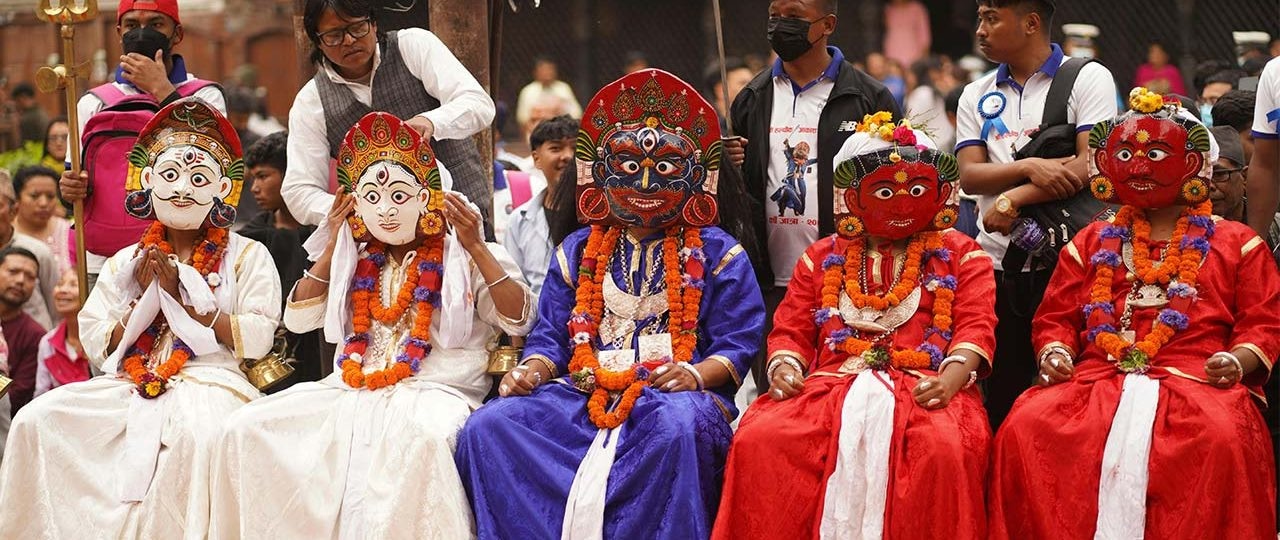
Indra Jatra: It is celebrated in Kathmandu Durbar Square, which features the Living Goddess Kumari with masked dancers and traditional chariots.
Dashain: The biggest Hindu festival, which is marked by animal sacrifices and blessings.
Tihar (Festival of Lights): It is celebrated by worshipping dogs, crows, cows, and siblings in beautiful and symbolic ways.
Buddha Jayanti: Especially vibrant at Swayambhunath and Boudhanath.
Gai Jatra: A comical, satirical festival to honor the dead and laugh at life.
Kathmandu’s festivals are immersive cultural experiences that will reflect a blend of humor, spirituality, family, and myth.
Art and Architecture
Kathmandu is worldwide famous for :
Pagoda-style temples, which are influenced by Chinese and Japanese architecture
Newar wood carvings and torana in temple doorways
Mandala art and Thangka paintings
Stone and metal sculptures from the Hindu and Buddhist traditions
Handicrafts & Market
Kathmandu is also a paradise for ethical shoppers and art lovers:
Thamel: Backpacker district, which is full of bookstores, tea shops, trekking gear, and souvenirs.
Ason & Indra Chowk: Famous for Traditional bazaars selling herbs, brassware, spices, and textiles.
Patan & Bhaktapur: Famous for ceramics, paintings, and handcrafted jewelry.
Cuisine & Culinary Culture
Kathmandu offers you a mosaic of tastes of food:
Momos, the steamed dumplings, are a city staple.
Dal Bhat (lentil soup with rice and curry) is Nepal’s power meal eaten daily.
Newari cuisine – buffalo meat, beaten rice, bara (lentil patties)
Tibetan influenced thukpa (noodle soup), butter tea
International fusion of different vegan cafes, sushi, pizza, and bakeries

Furthermore, Kathmandu is a hotspot for trekking, mountaineering, paragliding, and jungle safaris. You can start your Everest Base Camp or Annapurna Circuit adventure from here and you can organize trips to Pokhara, Chitwan, or Lumbini. You can book mountain flights to see Everest in under an hour as well.
Is Kathmandu Safe for Tourists?
Yes, generally Kathmandu is a safe and welcoming destination for tourists. It’s a bustling, developing city with its quirks. Most visitors find this city warm, hospitable and easy to navigate with basic precautions.
Why You’ll Likely Feel Safe in Kathmandu;
Low Crime Rate: Serious crimes against tourists are extremely rare in this city. Most local residents are kind, respectful, and proud to share their culture with you.
Solo Traveler-Friendly: Many solo travelers, especially women, have shared their positive experiences. Especially in the most populated areas like Thamel, Patan, and Boudhanath.
Tourist Police & Community Presence: There will be visible support for tourists, especially while visiting crowded or historic areas.
English is Common: Most of the people, especially those working in tourism, will be able to speak decent English, which makes your communication smooth.
Things To Be Aware Of:
There are some of the factors that you must be aware like :
Air Pollution: Kathmandu’s air quality can be poor, especially in dry cold seasons. A mask is a smart companion while traveling in cities.
Traffic: The roads can be chaotic and full of cars, bikes, pedestrians, and even cows, all sharing space. So you should walk mindfully on the streets.
Scams: A few minor scams exist in the city, like overcharging or unlicensed guides. You should stick with reputable companies and ask your hotel for referrals.
Water Safety: You should always drink bottled or filtered water. Strictly avoid raw veggies or ice from unknown sources.
Smart Travel Tips
Always buy travel insurance, especially if you’re trekking or heading to high altitudes.
Use Pathao or taxi apps for fair fares.
You should dress modestly, remove your shoes at temples, and always ask before taking photos of locals.
Kathmandu is an amazing city rewarding respectful, alert travelers with unforgettable experiences and with a strong sense of safety.
Is Kathmandu Worth Visiting in 2025 and Beyond?
Sustainability & Community-Based Tourism
Nowadays, Kathmandu has increasingly embraced sustainable tourism. While many hotels in the cities are eco-friendly and run by the community. Most of the NGOs support cultural preservation and women-led enterprises. And the tourism revenue often directly supports local artisans and guides.
Diverse Experiences in One City
You can enjoy sunrise at a stupa to a noisy market stroll in Ason and a spiritual puja by the Bagmati River. You can also enjoy quiet tea in a rooftop cafe and can do it all within a few kilometers in this city. It’s ideal for:
Cultural travelers
Spiritual seekers
Trekkers and nature lovers
Budget-conscious backpackers
Kathmandu is one of the most affordable capital cities to explore:
$5–$10 for delicious local meals
Budget hotels or homestays from $10 per night
World-class experiences (like Everest flights) at a fraction of Western prices
Best Time to Visit Kathmandu
Depending on the season of your visit, the weather conditions can vary greatly. So, for the comfortable journey and the experience you are seeking, it’s best to decide on the right season to visit in Kathmandu. Based on recommendations and preference, some of the best months are:
Spring (March to May): You can enjoy the warm weather, blooming flowers, and also the best trekking season for all travellers.
Autumn (September to November): Enjoying clear skies, including festivals like Dashain and Tihar, with great visibility for mountain views. This will be a very rewarding trio season.
Weather to Avoid:
June to August (Monsoon): This is the time of heavy rain, landslides and leeches in trekking zones. So it will be better to avoid it if you don’t want to worry during the trip.
December to February (Winter): This time, the weather will be cold and foggy, and the mornings and evenings are cold even in the lower valleys.

Travel Tips for Kathmandu
For travelling around the city, here are some important tips for you to make your journey amazing.
Carry Cash: Most places in Kathmandu accept cash in Nepali Rupees (NPR) and ATMs are widely available.
Download Offline Maps: Nowadays, WiFi is common everywhere but not always stable, so download before starting a visit.
Respect the Culture: You should never step over offerings or point your feet at sacred objects.
Eat Local: You can try momos (dumplings), dal bhat, and Newari cuisine. Enjoy the amazing food, which will please your taste buds, but choose clean, popular places. Don’t eat in random places.
Visit Beyond Thamel: As in most people’s mindsThamel came as the first option, but beyond that, you should visit Patan, Bhaktapur, and Kirtipur for a deeper, calmer experience.
Final Thoughts: Kathmandu’s Real Treasure
Kathmandu city may not fit the traditional image of a sleek, modern capital city, but that’s precisely its appeal. Kathmandu is recognized as a living museum of cultures, stories, and survival. With over 1.5 million people in the valley, the city is a vibrant mosaic of ancient temples, chaotic streets, sacred rituals, and the hum of everyday life.
Yes, this city can be dusty, loud, and overwhelming, but beneath that, the surface lies a deep spiritual core. This city is home to seven UNESCO World Heritage Sites, which include Pashupatinath, Swayambhunath, and the Durbar Squares of Kathmandu, Patan, and Bhaktapur. These places are not just tourist sites; in actuality, they are places where culture breathes and history still walks among the people of Kathmandu and visitors.
After enduring the 2015 earthquake and ongoing political instability, Kathmandu continues to rise with resilience. Local communities with fewer and limited resources have rebuilt homes, revived temples, and made efforts to keep their traditions alive up to now. Tourism, a major factor that contributed over 6.7% to Nepal’s GDP, remains a lifeline, but it’s not just about economics. Travelers often find something more meaningful and interesting here.
It may be the warm hospitality from a homestay family, the amazing taste of freshly made momos, or a peaceful sunrise from a hilltop stupa. Kathmandu will leave a lasting imprint on every traveler’s heart who visits here. If you’re seeking something more than perfect photos, depth, soul, and human connection, then Kathmandu will not just welcome you, it will change you.