25 Best Places to Visit in Kathmandu
Kathmandu is the capital of Nepal with several UNESCO World Heritage sites. If you are visiting Kathmandu then don’t miss an opportunity to witness the city as well as its vibrant culture, rich heritage, and deep spirituality waiting at each nook and corner. This exciting city is in the center of the country which is quite popular for its rich heritage, gorgeous architecture as well as lively atmosphere. Every corner of the city there is a tale from ancient temples to bustling bazaars making it an interesting place to travel for tourists.
This article guides you through 25 Best Places to Visit in Kathmandu in such a manner that it helps you live through the actual mood of this phenomenal valley. As you explore different neighborhoods discover sacred sites, historical landmarks, serene gardens, and lively squares. Each spot offers a unique glimpse into the city’s diverse culture and deeply rooted traditions.
Plan your itinerary for a smooth tour that will make the most of your time in Kathmandu. Whether you’re looking for a spiritual experience, cultural encounters, or scenic views this city has something special for every traveler.
List of Places to Visit in Kathmandu
Discover the capital city of Kathmandu Valley through our carefully selected list of highly recommended places. Each place showcases the Valley’s rich heritage of each area when combined with culture and history with nature to create a memorable experience:
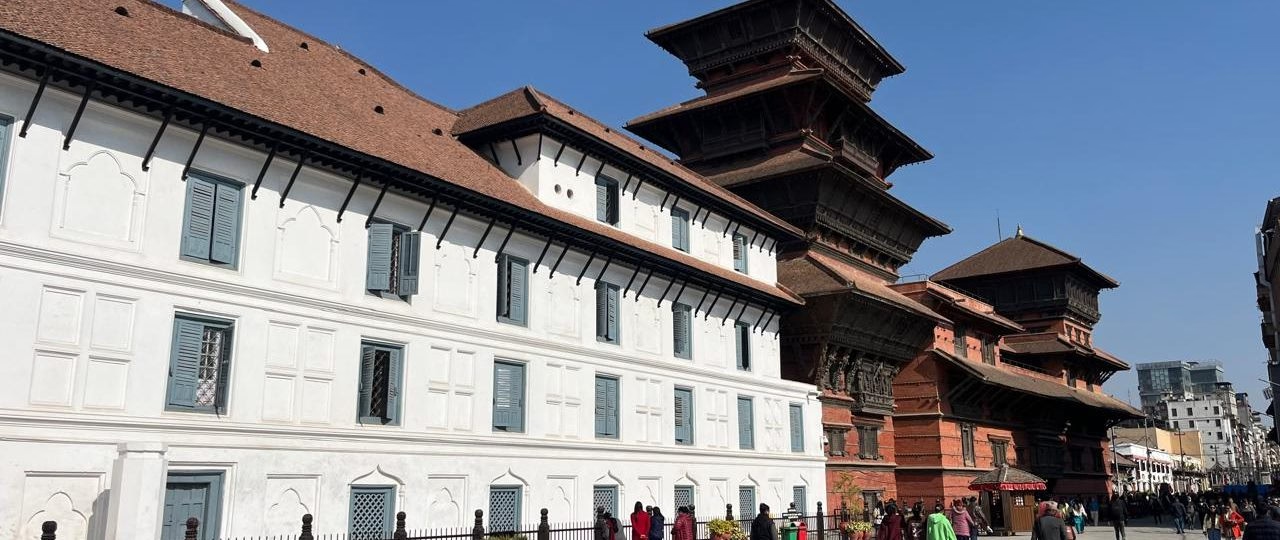
Kathmandu Durbar Square
The Kathmandu Durbar Square is a cultural and historical site located in the middle of Kathmandu in Nepal. This is one among the three Durbar Squares located in the city. It is also recognized as one of the World Heritage Sites by UNESCO. The city’s most significant buildings have been constructed over the years, with origins dating back to the 3rd century.
The square is surrounded by stunning temples that were built during the rule of the Malla kings of the 16th Century. The temples feature exquisite carvings that showcase the unique style of Newari architecture. You’ll discover the royal palaces of both the Malla and Shah dynasty which have provided you with a glimpse of Nepal’s history during your visit. This is most famous among the nine stored Nautalle Durbar built by Prithvi Narayan Shah to mark the unification of Nepal.
Kumari Chouk runs along the south side of the square, where the Kumari, a young girl worshipped as the living goddess Durga, resides. This adds a unique spiritual dimension to the significance of the square.

Swayambhunath
Swayambhunath is commonly popular as the Monkey Temple among tourists. It is considered one of the most sacred sites of Kathmandu Valley. It is located about 3 kilometers west of the city with the ancient stupa offering stunning views of the valley. With a history stretching back to the 5th century AD. This has remained one of the most important pilgrimage sites for both Buddhists and Hindus.
When you climb the steep stone steps, you will get to see the striking white dome of the stupa and its gilded spire. The painted eyes of Buddha symbolize wisdom and compassion while the squiggle beneath represents the number one in Nepali signifying unity. Devotees walk around the stupa while spinning prayer wheels and chanting mantras. You will vibe with the peaceful air with the mix of spirituality.
According to folklore, a lotus bloomed in a primordial lake here marks the site’s sacred beginnings. Swayambhunath still serves as a symbol of faith and cultural harmony that draws visitors who seek spiritual connection and stunning views.

Boudhanath
Boudhanath Stupa is another UNESCO World Heritage site in Nepal. This is famous for its unique architecture and spiritual significance. When you land in Nepal you’ll most probably spot this tall stupa as one of the first landmarks. It is the largest spherical stupa in Nepal and among the largest in the world.
Begin your visit at the base of the stupa where you’ll find a three-tiered mandala platform symbolizing the earth element. Walk clockwise around the stupa while spinning prayer wheels, a gesture believed to bring good karma. On the north side, you’ll find Mamthan Temple which is dedicated to Harati one of the guardian deities of children.
Later you can relax at Boudha Peace Park which is located in the northwestern part of the stupa. The park symbolizes the peaceful relationship between Nepal and China. Take time to explore nearby handicraft shops. Then visit one of the many monasteries in the area like Guru Lhakhang or Jhamchen Lhakhang. Finish your visit with a meal at a rooftop restaurant by enjoying stunning views of the stupa.

Pashupatinath
Pashupatinath Temple is located on the Bagmati River banks in Kathmandu. It is a very significant expression of Nepal’s cultural and spiritual heritage. The mythical temple has a combination of Newari and pagoda style architecture that encompasses detailed wood carvings, gilded spires and stone statues.
The temple roof is of two storeys of copper covered with gold plates and its four main doors are adorned with silver plates. A golden pinnacle on the top further adds to the glory of the temple. Worship is offered by devotees within the temple in two “sanctums” or “garbhagrihas”. The temple also houses a four-faced lingam of Lord Shiva representing his omnipresence.
It is not only a place for Hindu rituals but also where cremations are done by the riverbank. The devotees believe that the Bagmati River purifies sin and helps the deceased attain moksha. The temple is situated about 5 kilometers east of the center of Kathmandu as a spiritual place for millions of pilgrims.

Narayanhiti Palace Museum
The Narayanhiti Palace Museum gives you a unique chance to explore Nepal’s royal past. Once home to Nepal’s monarchs, it became a museum in 2008 after the monarchy ended. This change marked Nepal’s shift to a democratic republic, making the museum a symbol of transformation.
The museum has three main sections: the Private Wing, the Guest Wing and the State Wing. Each section features 52 rooms or Sadan that are named after districts of Nepal. These rooms display royal artifacts like utensils and photos that showcase the Shah kings’ lives. In Kaski Sadan, there are two realistic replicas of Bengal tigers and portraits of past monarchs offering insight into royal ceremonies.
The museum also holds reminders of Nepal’s troubled history. Bullet holes from the 2001 royal massacre are still visible serving as a reminder of the monarchy’s dark past. A visit here isn’t just educational, it’s a deep dive into Nepal’s cultural and political history.

Garden of Dreams
The Garden of Dreams is also known as the Garden of Six Seasons. This is a beautiful garden designed in the style of classical European art and architecture in Kaiser Mahal. Field Marshal Kaiser Sumsher Rana built it in 1920 covering an area of about 6,895 sq m. The garden is known for its elegant architecture and lush greenery that features pavilions, an amphitheater, ponds and pergolas.
Architect Kishore Narshingh designed this garden that blends Edwardian. This influence with a unique layout of the six pavilions represents Nepal’s traditional seasons adding a thematic touch. The peaceful ambiance offers a break from the city’s hustle and bustle.
The garden fell into neglect after Kaiser Sumsher died in 1964. But it was restored between 2000 and 2007 with help from the Austrian government. This combines a historical charm with modern amenities. The Garden of Dreams now hosts cultural events and provides a peaceful space for visitors to relax in the heart of Kathmandu.
Thamel
Thamel area is one of the most vibrant and popular commercial neighborhoods among travelers in Kathmandu Valley among both locals as well as foreigners. This is a hub offering a range of traditional handicrafts and the latest fashion in its crowded street markets. It has fine food to relish in a variety of restaurants and cafes offering both local as well as international dishes. The area is culturally diverse offering a unique shopping experience with exposure to Nepal’s heritage.
Temples and holy sites add to the religious beauty of Thamel. For those seeking inner peace, you can opt for local yoga and meditation studios that provide sessions to help you unwind. Thamel sits past the government district on Tridevi Marj located in the northern part of Kathmandu. It is easy to walk around from anywhere in central Kathmandu making it a convenient spot for both sightseeing as well as relaxing.

Kumari Ghar
Kumari Ghar also known as Kumari Bahal is located in the heart of Kathmandu Durbar Square. It displays the stunning beauty of traditional Newari architecture. Built by King Jay Prakash Malla in 1757. It is the home of the living goddess named Kumari. The building detailed wood carvings and peacock designs reflecting the craftsmanship of Nepalese artisans.
Visitors are welcomed by a grand three-step entrance white painted with two stone lions standing on either side. Inside of a stone chaitya with the Pancha Buddhas sits in the open courtyard. This is not just a place of worship but it reflects Nepal’s deeply rooted Newari traditions. A second girl child from the caste group of Shakya is chosen as the Kumari. She will live here until she reaches puberty.
While the exterior remains well-preserved, the interior shows damage from past earthquakes, highlighting the need for ongoing restoration. Visitors can glimpse the Kumari during specific hours, though photography is prohibited to respect her sanctity.

Asan Bazaar
Located in the middle of Kathmandu Asan Bazaar is a bustling city square filled with vibrant culture and business hubs. It has been here for centuries and is a significant market on the historic trade route between India and Tibet. There are six narrow streets converge in this busy square attracting both locals and tourists.
Travelers strolling through Asan are greeted by a variety of goods. Colorful textiles, fragrant spices, electronics and household goods line the stalls. Foodies will be drawn to enticing aromas drifting through the air in the street food. The Annapurna Ajima Temple is dedicated to the goddess of food and grain in the square represents the region’s rich food culture.
Asan Bazaar is not only a complete shopping destination but also a cultural one as well. The lively atmosphere is filled with ongoing chatter and bustling movement making it a great spot for people watching. Asan area is an unmissable landmark for any person wishing to see Kathmandu’s true essence open from morning till late evening.
Hanuman Dhoka
Hanuman Dhoka is located on the west side of the Kathmandu Durbar Square area. It was established during the Licchavi period where the palace complex was expanded in the 17th century by King Pratap Malla. Despite significant damage from the 2015 earthquake, it has managed to remain a symbol of Nepal’s royal heritage.
As you enter you’ll notice the impressive statue of Hanuman symbolizing strength and protection. The Nasal Chowk courtyard provides a glimpse into royal life with its former coronation platform and intricate carvings. Close by, the Tribhuvan Museum displays artifacts from the Shah dynasty honoring King Tribhuvan’s legacy.
As you explore further, you’ll discover beautifully decorated temples and courtyards like Mohankali Chowk and Sundari Chowk. Though some parts are still under renovation Hanuman Dhoka continues to draw tourists eager to experience its rich history and vibrant atmosphere. This historic site is a must-see for anyone visiting Kathmandu.

National Museum
The National Museum of Nepal also known as Chhauni Museum is a key cultural landmark in Kathmandu. It was originally established in 1928 as an arsenal inside a historic building built by General Bhimsen Thapa in the early 19th century. The museum opened to the public in 1938, preserving Nepal’s history through its diverse collection of artifacts.
Visitors can explore three main exhibition buildings. The Historical Building features ancient weaponry including a rare leather cannon from the Tibetan War of 1792. The museum also displays a significant role in coin collection dating back to the second century BC. Along with stuffed animals and relics from events like the 1934 earthquake.
In addition to its historical significance, the museum highlights Nepalese art and culture. It hosts galleries for Buddhist art is enriched by contributions from international organizations. This includes the Japanese government. Open daily except Sundays and public holidays where the museum offers an enriching experience for locals and tourists alike.
Chandragiri Hills
Chandragiri Hills is a perfect escape from the busy city life of Kathmandu. It is located just outside the city at an elevation of 2,551 meters. The ride starts at 1,550m which quickly takes you to 2,551m within 9 to 13 minutes. On clear days you’ll get to see the breathtaking Himalayan mountain ranges of Annapurna to Everest. As you glide over the forest you’ll get to experience a unique view of the landscape.
Alternatively, a scenic hiking trail passes through the forest where you can see local wildlife and plant life up close. At the top, you can go visit the Bhaleshwor Mahadev Temple which showcases the area’s spiritual history. The viewing deck offers stunning panoramic views of the Himalayas which is ideal for photography. You can also use a telescope to get a closer look at the peaks. For adventure enthusiasts, there are activities like ziplining and horse riding. Enjoy traditional Nepali food or international dishes at the hilltop restaurants. There are restaurants, small stalls as well as a children’s play zone making it a perfect place for a family/friendly outing.

Taudaha Lake
Just outside Kathmandu, there is Taudaha Lake which provides a peaceful escape from the city’s hustle and bustle. At 500 meters long and 400 meters wide, the lake is a popular spot for birdwatching. You can spot migratory birds like the Northern Shoveler in winter and Barn Swallows in summer. Visiting Taudaha Lake offers a perfect blend of natural beauty and local cultural heritage.
It’s the perfect spot to relax and enjoy nature’s calm beauty. It is the only natural lake left in the Kathmandu Valley. This serves as a vital habitat for various species. The lake’s name comes from the Newari words ‘Ta’ which means snake and ‘Daha’ meaning lake. This reflects its connection to the Nagas where the serpent deities of Nepali folklore.
The story tells that Manjushree drained the valley creating a smaller lake such as Taudaha in the process. To honor the Nagas, locals constructed an underwater palace decorating it with gems. To honor this tradition people hold back from swimming or fishing in the lake. This also helps preserve its peaceful atmosphere.

Kopan Monastery
Kopan Monastery is located on a hill offering stunning views of the Kathmandu Valley. It was founded in 1969 by Lamas Thubten Yeshe and Thubten Zopa Rinpoche. The monastery houses around 360 monks and nuns committed to Buddhist study and practice.
The serene surroundings provide an ideal environment that helps in self-reflection and personal growth. Whether you’re experienced or curious a visit to Kopan is a rewarding spiritual experience. It has become a hub for meditation and spiritual learning. The monastery operates under the Foundation for the Preservation of the Mahayana Tradition (FPMT) and shares Buddhist teachings worldwide.
Many visitors come to Kopan for its meditation courses mix traditional Lam Rim teachings with practical discussions and guided sessions. These courses are held mostly in November and December attracting people from various backgrounds looking to deepen their understanding of Buddhism. This also invites casual visitors to explore its peaceful grounds and enjoy the breathtaking scenery.

Pharping
Pharping is a town located about 19 kilometers south of Kathmandu which is rich in spiritual and cultural significance. Both Buddhists and Hindus regard it as a sacred destination, attracting pilgrims all year long. The Dakshinkali Temple, dedicated to the goddess Kali, is its most revered site. Many visitors come during the Dashain festival to offer prayers and participate in rituals.
Pharping also holds the Asura Cave where Guru Padmasambhava is believed to have meditated. The cave offers a peaceful atmosphere for reflection. Nearby, the Shesnarayan Temple with its intricate architecture, enhances the town’s cultural appeal.
Enjoy the stunning views of the valley by hiking across the scenic trails. It can be a perfect day trip for someone who is looking for a peaceful escape from the bustling city. The town perfectly blends spiritual exploration with an outdoor adventure that offers something new to do for every traveler.

Dakshinkali Temple
Dakshinkali Temple sits 22 kilometers south of Kathmandu in Pharping, drawing hundreds of devotees, especially on Tuesdays and Saturdays. Worshippers gather to honor the goddess Kali seeking her protection from misfortune. These days, the temple comes alive with rituals and animal sacrifices, reflecting deep cultural traditions.
At the heart of the temple stands a striking black idol of Kali, her right foot resting on Lord Shiva’s chest, symbolizing her power. Devotees offer goats and cocks as sacrifices, reinforcing the temple’s importance as a Shakti Peeth, a sacred site of worship.
Surrounded by lush forests and rolling hills, Dakshinkali provides a peaceful escape from the city’s chaos. The natural beauty enhances the temple’s spiritual atmosphere, making it a popular spot for both pilgrims and tourists. Whether you seek blessings or want to witness local customs, Dakshinkali Temple offers a unique cultural experience in Kathmandu.

Budhanilkantha Temple
Budhanilkantha Temple also known as the “Sleeping Vishnu” Temple lies at the base of Shivapuri Hill, about 10 kilometers from Kathmandu. This open-air temple draws visitors with its striking five-meter-long statue of Lord Vishnu, gracefully reclining on a serpent’s coils. Carved from a single black basalt stone, the statue reflects both artistic mastery and deep spiritual significance.
Surrounded by lush greenery, the temple offers a peaceful retreat for pilgrims and travelers. Many visit to witness its unique rituals, especially during Haribodhini Ekadashi, when thousands gather to celebrate Vishnu’s awakening. A sacred pond encircles the statue, adding to the temple’s mystique. Local legends even connect its waters to the holy Gosaikunda Lake.
As you explore, admire the temple’s intricate carvings and serene atmosphere. Whether seeking spiritual insight or a quiet escape, Budhanilkantha Temple promises a memorable experience in Kathmandu.

Kirtipur
A historic town just six kilometers from Kathmandu, Kirtipur offers a rich cultural experience. Known for its fierce resistance against the Gurkha invasion in the 18th century it proudly holds the title of the ‘City of Glory.’ When you walk through its narrow streets the visitors discover ancient temples, beautiful Newari architecture and the vibrancy of local markets.
The Bagh Bhairav Temple is dedicated to Lord Bhairav. This draws devotees with its sacred rituals along with the stunning valley views. The Chilancho Stupa offers a peaceful spot for meditation. Perched on a hill the Uma Maheshwar Temple offers stunning views of Kathmandu Valley and the surrounding peaks. From this vantage point, you can take in the beauty of both the city and the mountains.
Food lovers can dive into authentic Newari cuisine at local eateries. These dishes bring out the rich flavors of the region offering a true taste of Kathmandu’s culinary heritage. When you explore Kirtipur it reveals intricate wood carvings and detailed stonework. This showcases its artistic heritage. For history, culture and scenic beauty this charming town offers a peaceful escape from Kathmandu’s bustle.
Taragaon Museum
Taragaon Museum sits near Boudhanath Stupa offering a look into Kathmandu’s changing architecture. Built in the 1970s as a hostel for artists, it reopened in 2014 to preserve Nepal’s heritage. Austrian architect Carl Pruscha designed the building using dark red bricks and vaulted rooms which was then inspired by Newari architecture.
Inside, you’ll find old photographs, sketches, and artifacts that show how the city has evolved. The main exhibition, Archiving for the Future, highlights the need to protect architectural history. The museum also has the Nepal Architecture Archive, a valuable collection of records on urban development.
Taragaon Museum blends history with contemporary art, making it a great place to explore. Whether you love architecture or want to learn about Kathmandu’s past, this museum offers an engaging experience. It’s a quiet spot to step back in time and appreciate Nepal’s cultural roots.
Rani Pokhari
Rani Pokhari also known as Queen’s Pond is a historic site in the middle of Kathmandu. It was built by King Pratap Malla in 1670 to comfort his queen, who was mourning the loss of her son. There is a small temple in the middle of the pond devoted to Lord Shiva, named Bal Gopaleshwor Mandir.
Surrounded by gardens and walkways, Rani Pokhari is a peaceful place amidst the busy city. The pond is bustling with activity during festivals like Dashain and Tihar. Though it was damaged in the 2015 earthquake, renovation works are restoring it.
Individuals can walk around the pond and appreciate its beauty. Its calm water and ancient beauty make it a different character for locals as well as tourists. Rani Pokhari is not merely a pond but a symbol of love, history and tradition in Kathmandu.

Kaiser Library
The Kaiser Library sits inside the historic Keshar Mahal Palace in Kathmandu. It started in 1907 as a private collection by Chandra Shumsher for his son, Kaiser Shumsher. Today, it holds over 50,000 books, including rare texts on Buddhism and Tantrism, some written on palm leaves.
One of its most valuable books is the 1,100 years old Sushruta Samhita is an ancient Sanskrit medical text recognized by UNESCO. The library also displays antique artifacts, paintings, and taxidermied animals, giving it a museum-like feel.
In 1969, it opened to the public, welcoming researchers and book lovers. The peaceful setting and rich history make it a special place to visit. Whether you enjoy reading or want to explore Nepal’s past, Kaiser Library offers a unique experience in the heart of Kathmandu.
Kathmandu Fun Valley
The Kathmandu Fun Valley is located in the Palase of Bhaktapur. It’s a perfect destination for families and adventure enthusiasts. The amusement park has water fun and adrenaline-pumping rides, making it an ultimate getaway from city life. The water park has thrilling water slides, a wave pool and a rain disco for unstoppable fun. Kids can play securely in safe play zones and shallow pools designed for them.
The park also has exciting rides like bumper cars and a mini roller coaster. The greens offer a cold spot to sit and relax. Whether you prefer cooling off in water or get your thrill from the ride. The Kathmandu Fun Valley is an excellent place to spend a day will be filled with lots of fun.
Shivapuri Nagarjun National Park
Shivapuri Nagarjun National Park is located just 12 kilometers north of the capital city. At 159 square kilometers, it supplies drinking water to the valley and contains lush forests and wildlife. The park provides a combination of subtropical and temperate forests, thus making it a wonderful place for nature enthusiasts. Bird enthusiasts find more than 300 species here, including some that are rare. The park is also inhabited by Himalayan black bears and leopards.
Trekking trails in the park lead to breathtaking places like Nagarkot and Gosaikunda. Trekkers have the opportunity to witness beautiful views of the Himalayas and Kathmandu Valley along the way. Shivapuri Nagarjun is perfect for those who want to have a peaceful respite from city life. If you are a trekker, a nature lover, or just want a peaceful nature escape, this park is a great place to visit.

Kathesimbhu Stupa
Kathesimbhu Stupa is a peaceful Buddhist rest in Kathmandu. Built in 1650 AD. It is a replica of the famous Swayambhunath Stupa. Its white dome and gold spire attract pilgrims and visitors alike. It is surrounded by smaller stupas and multi-colored prayer flags in a serene place for meditation. It contains a statue of Avalokiteshvara, the bodhisattva of compassion. This adds to its spiritual ambiance. A nearby old cloister, which has the appearance of Tibetan monasteries, gives a glimpse into Buddhist culture.
According to local legend, Kathesimbhu was built by builders using materials leftover from Swayambhunath. This makes it an important site for those unable to make it to the larger stupa. It remains a quiet spot where individuals can connect with Buddhist tradition and enjoy the atmosphere of Kathmandu.
Freak Street Basantapur
Freak Street also known as Jhochhen Tole is a historic alley just south of Kathmandu Durbar Square. In the 1960s, it became a hotspot for hippies traveling along the Hippie Trail, seeking spiritual enlightenment and a countercultural lifestyle. The street was once lively with colorful cafes, budget accommodations, and shops selling unique handicrafts.
Though marijuana was legal at the time, Freak Street has since evolved into a blend of history and modern life. Today, the hippie culture may have faded, but the street still attracts tourists wanting to explore Kathmandu’s past. The area is now filled with tattoo parlors, eateries, and artisan shops, offering a glimpse into the city’s rich cultural heritage.
Visiting Freak Street is like taking a step back in time. It remains a lively place, inviting travelers to experience its unique atmosphere and enduring spirit.

Why Choose These Places in Kathmandu to Visit?
Kathmandu is a top destination for tourists looking for cultural heritage. The city is home to many old temples, stupas, palaces and historic squares that demonstrate Nepal’s deep spiritual heritage and stunning traditional architecture. Some of these sites such as the Kathmandu Durbar Square, Bhaktapur Durbar Square and Changunarayan Temple are UNESCO World Heritage Sites. This makes the city an ideal location to drive into its unique history and colorful religious life.
One of the biggest attractions for people who want to go to religious sites such as Swayambhunath Stupa, Boudhanath Stupa, and Pashupatinath Temple is to see the rich Buddhist and Hindu cultures. These sites possess religious significance within Kathmandu. For an even more peaceful and tranquil experience, you can check out Kopan Monastery. It is a peaceful Buddhist monastery well suited to meditation.
The city is also famous for the Living Goddess Tradition in which the Kumari Ghar has the “Living Goddess” believed to be the incarnation of Hindu goddess Taleju. Nature lovers can also go to nearby locations such as Shivapuri Nagarjun National Park where you can trek around or even visit its various wildlife. If you prefer a bustling city area you can focus on shopping, eating, and nightlife of the Thamel area which is vibrant in itself and a very popular destination among tourists.