- Duration
- 10 days
- Destination
- Nepal
- Activity
- Tour
Trip overview
Winter in Nepal provides everything from clear skies and uninterrupted mountain panoramas to cozy city experiences. Whether you like to explore historical sites, enjoy delicious Nepali cuisine or take short hikes to nearby hill stations, winter tours in Nepal offer everything to you.
Winter tour in Nepal is not only about the scenic beauty but also about the cultural festivals and events that make the experience memorable. Festivals such as Maghe Sankranti, Saraswati Puja and New Year celebrations in Kathmandu and Pokhara allow you to dive into vibrant traditions and celebrations. This is also one of the perfect times for low altitude treks, when cooler temperatures make it very pleasant to hike and landscapes usually get dusted with light layers of snow, adding to the beauty of the journey.
Winter is the best time to visit Nepal, with snow capped peaks framed by clear blue skies and a tranquil atmosphere. It is the ideal time for photography and enjoying the wonders of natural sceneries. Every scene around this time is picture perfect to capture, reflect on and cherish.
Nepal Winter Tours basically require awareness about the weather conditions along with proper gear to protect from the chilling cold. A strategically planned winter tour in Nepal will ensure a smooth and enriching experience, allowing you to fully enjoy the beauty, culture and adventure the country has to offer.
Whether it is a cultural walk through the ancient temples of Kathmandu, a lakeside stroll in Pokhara or a scenic hike in the nearby hills, winter offers an opportunity for a drive to experience Nepal at its slow and reflective pace.

Major Appeals of Nepal Winter Tours
The striking, unobstructed panorama of the Himalayas, adorned with fresh snow and framed by the crystalline deep blue sky.
The winter treks are less populated, so one can enjoy nature in much quieter and more intimate ways.
Enchanting winter landscape with snow dusted trekking trails, frosty trees and frozen lakes.
Opportunity to observe and participate in several vibrant local festivals and celebrations.
Nourishing hot soup meals and Nepali tea as a soothing remedy for cold weather.
Better chances of spotting the unique birds and animal species in the low lying Chitwan National Park, which remains relatively cool rather than extremely cold during the winter months. Migratory birds are usually seen around the cities and wetlands of the National Park.
Fewer crowds on the hiking trails let you enjoy most of the places both privately and peacefully.
The Kathmandu and Pokhara make for lively New Year and Christmas events buzzing with lights and other colorful decorations.
Wonderful low altitude treks without the extreme cold, like those of alpine mountain adventures. Casual trekkers who want to make the experience safe and enjoyable can have the rewarding experience of short and easy winter treks in Nepal.
Exceptional visibility conditions and observing the intricate details of the landscapes or architectural heritages with enhanced clarity.
Budget friendly travel as many accommodations and tour services offer discounts and deals as winter is an off season for treks and tours.
Clear and sharp sunrises and sunsets over the horizon of majestic Himalayan panorama.
Serene and reflective views of the mountains on cold winter mornings provide the perfect atmosphere for relaxation.
Exploring the subtropical Terai region, where cooler temperatures make for a very comfortable wildlife safari without the usual summer heat.
Winter opens up the possibility for other exciting activities like skiing and snowboarding.

Rewards of Nepal Winter Tours
Peaceful Atmosphere
The bustling cities like Kathmandu and Pokhara are less crowded during winter, making your experience quite peaceful. In this regard, you do not face crowds while visiting the natural and cultural sites of these places. Likewise, the same is the case while visiting the Chitwan National Park and remote trekking villages. As a whole, winter gives you pristine and serene sightseeing opportunities.
Scenic Beauty
Winter in Nepal is no less than magic for scenic beauty. It presents crisp air and clear skies, allowing for the best viewing of the surrounding mountains from relatively higher places or hill stations. The spectacular views of snow capped peaks against a crystalline winter sky thereby give the most promising backdrop for photography. The shorter treks during this time are generally manageable for basic fitness levels and ideal for those seeking a relaxing and scenic experience.
Best Safari Experiences
Winter is one of the best times to visit Chitwan National Park for a jungle safari. Since this UNESCO World Heritage Site lies in the lowland Terai region, it does not get extremely cold, unlike the mid hills or the Himalayas.
With cooler weather, the wildlives have high mobility; hence, it is comparatively easy to locate them. In the same way, in the presence of a clear sky and atmosphere, you can get great visibility for observing their fascinating behaviors.
Winter is also a good time for birdwatching, with numerous migratory birds flying to their winter habitats. Furthermore, as this season sees the fewest numbers of tourists in the park it provides you with quieter and more personal time in nature.
Soaking into the Local Cuisine
Winter is the ideal time to indulge in the delectable delicacies of the flavorful Nepalese cuisine. Hot delicacies like dal bhat, momo, gundruk soup and thukpa soothe the winter chill in your body very well.
These nutritious meals are filled with warmth and nourishing power that keeps you going with the needed energies and warmth in your body. The hearty flavors of the dishes with warming spices make for perfect combat against the chill.
Additionally, a hot masala tea or any warm herbal drink just soothes, rejuvenates and gives you a boost of warmth during chilly winter days.

Smaller Crowds and Cost Efficiency
Winter is considered the off season in Nepal. Accommodation and other services are relatively cheaper in most places during this time, be it major cities or remote mountain villages. The hotels or guesthouses remain less crowded, so you can experience personalized services with a relaxed stay, which almost feels like being at home. Hence, treks and tours in winter are added advantages for those traveling on a budget or seeking a more private experience.
Pleasurable Short Hikes
For those who do not want to go on high altitude trekking, winter months are amazing for short, low altitude hikes around Kathmandu and Pokhara. These hikes are comparatively easy and can be done by people of all ages and fitness levels.
The short winter treks are unparalleled opportunities to behold the serene whiteness of snowy landscapes and breathe in crispy, fresh air. These trails are not demanding and the views of snow laden peaks, frozen lakes and snow dusted valleys make the whole winter experience utterly magical.
Be it trekking to the nearby hill stations around Pokhara or going to explore the quieter routes near Kathmandu, these short winter hikes let you be a part of nature and strike a very good balance between adventure and relaxation.
Better Immersion
Winter is a very good time to delve deep into the rich culture and incredible natural beauty of Nepal. You can be much closer to the local traditions, festivals, rituals and scenery of the hills, valleys and mounatins since there are fewer tourists. The visit to the historical places in the Kathmandu Valley during this time allows for reflection and a deeper understanding of Nepalese culture.
The tranquility of winter drapes Nepal’s tourist sports, making even the normally chaotic cities like Kathmandu and Pokhara somewhat docile. Actually, getting a peek into the natural and cultural plethora that the cities boast is easier now. That can be said about local interactions being more personal, understanding historical aspects with more attention to detail and enjoying the travel pace with minimal hustle.
Photographic Moments
Winter provides some of the ideal shooting moments in Nepal. The cloudless sky and cool and clean atmosphere offer excellent glimpses of mountain peaks. In the towns and cities, the golden gleam of the morning sun casting beams on ancient temples or stupas can’t be missed to capture in your camera.
Additionally, the local way of life and the landscapes during winter, from people in woolen clothes to hills and forests draped with frost, present great opportunities for travel photography.
Vibrant Festivals
During winter, Nepal celebrates a variety of local festivals that showcase its rich cultural heritage. Festivals such as Maghe Sankranti, Saraswati Puja and Losar are celebrated across the country, bringing communities together in joyous celebrations. The Christmas and Western New Year festivities in cities like Kathmandu and Pokhara offer a vibrant atmosphere, with people’s gatherings, music and dances that add to the charm of the winter seasons.

Itinerary
DAY 1:Arrive at Kathmandu International Airport and Drive to the Hotel
Kathmandu Elevation: 1,400 meters/4,594 feet
Upon your arrival at Tribhuvan International Airport in Kathmandu, a representative from our office will welcome and escort you through the airport terminal. After completion of customs formalities and immigration he will drive you to your hotel in Kathmandu.
The drive usually takes about 20 to 30 minutes to reach your designated hotel depending on the traffic conditions. On the way you will pass by hustling streets and vibrant markets with plenty of shops, restaurants and cafes that form part of the city’s atmosphere.
After you arrive at your hotel, our staff will help you with the check in formalities. Then you can take your time to freshen up, relax or stroll around the bustling streets.
Enjoy a delicious Welcome Dinner of traditional Nepali cuisine in the evening. After dinner is over, take a good rest and prepare for the activities for the following days.
DAY 2:Full Day Sightseeing of Kathmandu, Visiting Its Cultural and Historical Landmarks
Today, on your second day in Nepal, you will take a whole day sightseeing around Kathmandu, which is culturally and historically rich. After having a hearty breakfast at the hotel, you begin a guided tour of some fabulous UNESCO World Heritage Sites of the valley.
Your first visit will be to the famous Swayambhunath Stupa, standing on top of a hill and gazing at the Kathmandu Valley. From here, you can catch the panoramic view of the entire Valley, its surrounding hills and far off mountains. This Buddhist stupa lies within a peaceful ambiance teeming with shrines, chortens and prayer wheels. This tour will be followed by a drive into Kathmandu Durbar Square, a historical area housing many ancient palaces and temples.
We then drive to the most sacred Hindu site, the Pashupatinath Temple and experience spiritual ceremonies. The temple is beside the Bagmati River, where the cremation ritual takes place. Later we drive to the Boudhanath Stupa, a very important Tibetan Buddhist pilgrimage site. You can visit the Stupa, spin the prayer wheels and visit the surrounding monasteries and markets.
Next, we will move towards the other two wonderful durbar squares in the nearby towns of Bhaktapur and Lalitpur. The Patan Durbar Square in Lalitpur is famous for its temples, Royal Palace and Newari architecture. Likewise, the Bhaktapur Durbar Square is noted for its architecturally rich medieval monuments, temples, pagodas and traditional Newar craftsmanship.
Your evening will be free in Thamel, Kathmandu’s bustling tourist area where you can shop for handicrafts. Then you can return to the hotel, which would be nearby within walking distance, to rest and sleep.
DAY 3:From Kathmandu, Drive to Pokhara With Beautiful Landscapes en Route
Pokhara Elevation: 822 meters/2,696 feet
Drive Distance: around 200 kilometers
Drive Duration: 7-8 hours
We will take a drive from Kathmandu to Pokhara on day 3 of the Nepal Winter Tour itinerary. This scenic drive showcases some of the best countryside landscapes.
You will leave Kathmandu early in the morning after having breakfast and drive along the Prithvi Highway. Soon, the ride leaves chaotic city streets and give a way to lush green hills, terraced fields and small streams. The road is meandering, passing through quaint villages that give glimpses of the traditional Nepali way of life. Stops like Mugling and Dumre will let you peek into the wholesomeness of Nepalese rural beauty. The closing views of the towering Annapurna and Machapuchhre form the stunning backdrop for your drive.
This journey also takes one along the Trishuli River, where you can view the deep gorges and its crystal clear waters. The drive continues with the dense forests on winding roads. Finally, you will reach Pokhara and check in to your hotel. You can take some time for leisure, enjoy the view and be in preparation for all that awaits in this captivating Lake City.
DAY 4:Drive to Phedi and Start Your Trek to Dhampus Village
Phedi Elevation: 1,130 meters/3,707 feet
Dhampus Elevation: 1,700 meters/5,577 feet
Drive Distance: around 15 kilometers
Drive Duration: 40 to 45 minutes
Trek Distance: 5 to 6 kilometers
Trek Duration: around 2 hours
Day 4 of your Nepal Winter Tour itinerary is a combination of a scenic drive and a rewarding trek. The day starts with a drivefrom Pokhara to Phedi, which meanders through a picturesque landscape of lush greenery, terraced fields and quaint rural settlements.
Your trek to Dhampus Village starts from Phedi. This is a moderate trek and could be done by most travelers who basically have good health conditions. The route of the trek passes through beautiful farmland, dense forests and small local settlements. You can enjoy stunning views of the Annapurna, Dhaulagiri and Machapuchhre as you go ahead with the trek.
Finally you will reach Dhampus, which is famous for its traditional wooden houses, untampered culture and the hospitality of the local people. The friendly nature of the villagers (Gurung and Brahmin) and their simple style of living will make your stay in this village memorable.
Take your time and dive into the serenity of the village, ramble around its narrow streets and chat with locals. In the evening you will have a delicious meal in the teahouse while viewing the surrounding mountain scenery.
DAY 5:Trek From Dhampus to Naudada and Then to Sarangkot
Naudada Elevation: 1,480 meters/4,855 feet
Sarangkot Elevation: 1,590 meters/5,217 feet
Trek Distance: 8 to 9 kilometers
Trek Duration: 3 to 4 hours
Your trek starts with a steady descent from Dhampus to Naudada. On the way, you will have ample opportunity to enjoy the stunning views of the lush forests, terraced fields, rolling hills, traditional villages and Himalayan chains. From the small hilltop village of Naudada, the panorama of the Annapurna range is spectacular.
From Naudada, you start your uphill journey to Sarangkot. This path now goes up quite steeply but rewards you with great views the higher you climb. It is famous for being one of the best viewpoints in Pokhara for sunrises, sunsets and mountain panoramas.
he dramatic scene of Pokhara Valley, Phewa Lake and towering mountains like Annapurna, Hiunchuli, Gangapurna, Dhaulagiri and Machapuchhre greet you upon reaching Sarangkot. It is also famous for paragliding launches, so if you are adventurous enough, you might even consider taking a paragliding flight for a bird’s eye view of the area.
You can then stay overnight in a local guesthouse in Sarangkot.
DAY 6:Hike Down to Phedi and Then Transfer to Your Hotel in Pokhara. Afternoon Sightseeing Tour of the City
Trek Distance: 7 to 8 kilometers
Trek Duration: 3 to 4 hours
Drive Distance: 15 kilometers
Drive Duration: 40 to 45 minutes
You will head to Phedi in the morning, passing through tranquil forests and quaint settlements with terracing. Now, while walking down the hill, the magnificent views of the Annapurna range will make a mesmerizing backdrop. Down at the Phedi, your vehicle will be waiting for you for a return drive to Pokhara.
Upon arriving in Pokhara, you can have some free time at the hotel to refresh and enjoy lunch. Later in the afternoon, you will go sightseeing in this beautiful city. You will visit for the boating on the scenic and tranquil Phewa Lake right in the middle of the city.
Afterward, you will explore other key attractions, including Davis Falls, Gupteshwor Cave, World Peace Pagoda, Pumdikot, Bindabasini Temple and International Mountain Museum. Thus, the day provides an excellent combination of hiking and relaxation to absorb the natural beauty and culture of the region.
If you are an adventure enthusiast, Pokhara provides opportunities for thrilling sports activities such as rafting, kayaking, mountain biking, rock climbing, etc. which you can be part of. You can stroll around the lakeside markets in the evening to purchase souvenirs like handmade jewelry, pashmina cloth and other local handicrafts before retreating to the cozy hotel beds.
DAY 7:Drive From Pokhara to Chitwan National Park; Check in to Your Lodge and Enjoy the Surroundings
Chitwan National Park Elevation: 150 to 815 meters/492 to 2,673 feet
Drive Distance: approximately 170 kilometers
Drive Duration: around 5 hours
You will drive from the lovely city of Pokhara to Chitwan National Park on the south. The drive makes its way out of town, winding down the Trishuli River that provides peeps into Nepal’s countryside.
From the serene lakeside beauty of Pokhara, you will reach the flat plains of the Terai region. Chitwan is one of Nepal’s premier locations for viewing various bird species and elusive wildlife. After your arrival, you will check into your preferred lodge or resort on the periphery of the Chitwan National Park. Then you can retire to its peaceful surroundings to unwind after your long day drive.
DAY 8:Spend a Leisurely Day in Nature on Full-day Jungle Activities
After breakfast, you will dive into the natural richness of the Chitwan National Park. This is a UNESCO World Heritage Site known for its diverse ecosystem and wildlife.
It begins very early with a jeep or elephant safari that lets you see the Bengal tiger, one horned rhinoceros, wild elephants, leopards, wild boar, deer and monkey species. Next you will take part in a nature/jungle walk through the rich forests and grasslands of the park. The naturalists will accompany you to acquaint you with the local flora and fauna. Further, the guided birdwatching tour in the park lets you observe a diverse range of exotic bird species in their natural habitat.
You can also go for a canoe ride along the Rapti River. While cruising down the river, look for the elephants bathing, crocodiles basking on the sandy banks and playful waterfowls, ducks and herons. Also, peep down at several aquatic lives, such as colorful fish, freshwater crabs and turtles and mudskippers.
Furthermore, some lodges offer a visit to the Elephant Breeding Center where you can get information on the conservation efforts of these giants. In the evening, you will have a village tour to see the unique culture of the Tharu people. These indigenous communities entertain you with traditional dance performances in folk music and songs. They will also serve you with delicious local meals that introduce you to the traditional flavors of the region.
Retire for the night at your lodge after an eventful day of wildlife viewing and cultural experience.
DAY 9:Drive From Chitwan to Kathmandu and Freshen Up
Drive Distance: 150 to 170 kilometers
Drive Duration: 6 to 7 hours
Departing the lush plains of Chitwan, you will take hilly roads through rural Nepal, with beautiful views along the way. Initially passing small towns, sugarcane fields and farmlands, the road meets hilly slopes with views of the Trishuli River below and of far off mountain ranges. Most of the parts are snaky with some bumps adding a sense of adventure to the travel experience.
We will drop you off at your hotel upon your arrival in Kathmandu where you can freshen up and relax. You can spend the remaining hours resting or exploring nearby areas. You can also do last minute shopping in Thamel or purchase souvenirs back home. In the evening, you will have a Farewell Dinner with local delicacies.
DAY 10:After Breakfast, Transfer to Kathmandu International Airport for Your Homeward Flight
After enjoying the fulfilling breakfast on your last day at your hotel, we will transfer you to Kathmandu International Airport for your homeward-bound flight. If time permits, you can take a little time to explore the local area.
The drive to the airport will be the last glance around Kathmandu’s vibrant streets and hills. Have a safe flight and hopefully we get to meet again for more adventures in the near future.
Looking to Customize This Trip?
We curate bespoke private itineraries tailored to your dates, preferences, and luxury requirements.
Cost breakdown
What's included
Airport transfers (arrival and departure).
Accommodation in Kathmandu, Pokhara, and Chitwan on a twin-sharing basis.
Teahouse accommodations during the trek.
Welcome and Farewell dinners with traditional Nepali cuisine.
All meals during the trek and Chitwan activities (breakfast, lunch, dinner).
Full-day guided sightseeing tour in Kathmandu with entrance fees.
Private transportation for all mentioned drives and transfers.
Licensed and experienced trekking guide and porters.
Permits: TIMS (Trekkers Information Management System) and conservation area permits.
Jungle safari activities in Chitwan (jeep/elephant safari, canoe ride, birdwatching, etc.).
All government and local taxes.
What's not included
International airfare and Nepal entry visa fees.
Meals in Kathmandu and Pokhara (except welcome and farewell dinners).
Personal trekking equipment (e.g., sleeping bags, trekking poles).
Travel insurance covering high-altitude trekking and emergency evacuation.
Alcoholic beverages, soft drinks, and bottled water.
Tips for guides, porters, and drivers.
Optional activities like paragliding or other adventure sports in Pokhara.
Expenses due to unforeseen circumstances (e.g., weather delays, political strikes).
Dates & Prices
Select start date
Prices are per person on a twin-share basis. Departures are limited, especially during peak season.
Choose Your Departure Date
Run Nepal Winter Tour privately for your group on any date that suits you.
No date selected yet — pick a start date from the calendar.
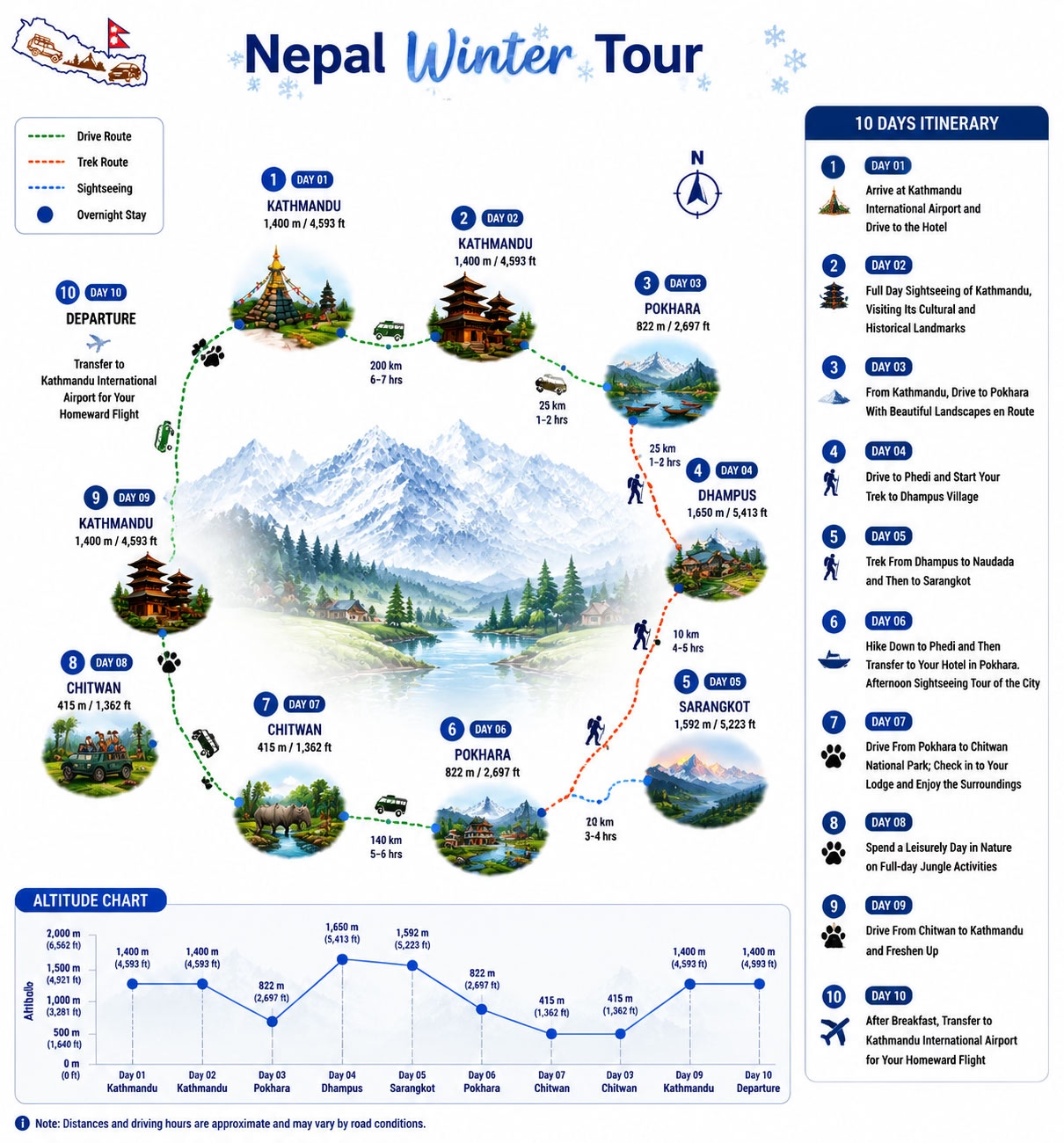
Trip map
Useful information
Challenges of Winter Tours in Nepal and Ways to Overcome Them
Cold Weather or Low Temperatures
During winter, the temperatures in Nepal can get very low, especially in the mountains. In mild hills and Terai also, it remains typically cold. This makes outdoor activities pretty uncomfortable and increases the chances of cold weather related illnesses.
To fight with the low temperatures, you need to pack the proper winter clothing, including insulated jackets, thermal layers, gloves, hats and insulated boots. Keeping yourself well hydrated also serves the purpose of keeping the body warm.
Inaccessibility to Some Remote Routes
During the winter season, snowfall and icy roads can block major roads or trekking routes, which results in travel delays and discomfort.
So, you need to have flexible travel plans and check the weather forecasts well in advance. Likewise, it is well worth booking guided tours, as local guides do know the alternative routes as well as local conditions.
Shorter Daylight Hours
Winter days are short and you will have less time to explore or trek. This can be a problem in relatively high regions where you should finish trekking before it gets too cold in the evening.
Therefore, it is important to plan your activities to start early in order to take advantage of the available sunlight hours. It is wise doing short and manageable treks or sightseeing trips so that you may complete your journey in daylight.
Less Availability of Accommodation and Services
In the more remote areas, many teahouses or hotels may close during the off season of winter. While those that are open also might have limited services due to the low number of tourists and cold weather.
Hence, booking your accommodations in advance, especially for trekking areas, will be a wise step.
Increased Health Risks
Medical facilities may not be highly available in remote areas and trekking in chilled weather may also worsen the prevailing health issues such as joint pain, asthma, etc.
And thus a well equipped first aid kit with medication for colds, such as cough syrup, nasal decongestant, anti inflammatory cream, etc, is required.
Snowy Terrain
Winter season trekking in remote areas involves the risk of slipping on icy trails. So, be very careful and take only well marked trekking routes, which are normally maintained. Additionally, trek with guides for safety along the trails.
Physical Challenges
Winter trekking is rather stressful for the body in low temperatures. At the same time, the toughness of the terrain increases the possibility of physical injuries. Cold can make muscles stiffer and less flexible, thus leading to sprains or strains during trekking.
For this, you need to warm up properly before the actual start of the tour or trek and stretch regularly. Use trekking poles for stability on icy or uneven grounds. Pace yourself slowly to avoid overexertion and allow ample time for rest. Likewise, opt for proper footwear with good grip and insulation and warm socks, which will help keep your feet warm and prevent slipping.

Travel Insurance for a Winter Trip to Nepal
Travel insurance is highly recommended for your winter tour to Nepal as it will cover all the risks that might occur during your journey. Winter trekking and traveling in either city areas or remote regions can involve added risks, such as sickness, weather disruptions, accidents and injuries. A comprehensive travel insurance policy will ideally cover medical expenses, emergency evacuation, trip cancellations, lost luggage and tour delays, thus offering peace of mind during your trip.
Your hiking journey to Dhampus, Naudada, Sarangkot, etc, may expose you to the difficulty of cold weather, landslides and common trek injuries. Moreover, in winter, the weather might suddenly change and being in areas with fewer health facilities raises the need for medical insurance.
In Chitwan, the risks are those related to wildlife or health such as insect bites and disease, heat and dehydration, animal attacks, tripping, slipping or getting scratched etc.
On the other hand, travel insurance that covers you, at least in case of accidents or disruptions, could definitely make things easier while visiting facilitated city areas like Kathmandu and Pokhara. Although these destinations may seem somewhat accessible and comparatively safer, numerous possibilities can occur. These include transportation accidents, lost baggage or theft, traffic delays, local events, weather disruptions or local strikes. With travel insurance, a smooth and safe journey is assured while being protected from financial losses due to unforeseen events.
Food and Accommodations in Nepal During a Winter Tour
During a winter tour in Nepal, you can expect a delicious blend of local flavors with warm and comfortable lodging that help you enjoy the chilling weather.
Food
You will be able to experience both traditional Nepalese food and international cuisine during your journey. Staple dishes include dal bhat, momo, hot soups and thukpa to help keep your body warm. You can also enjoy a variety of Western food items like pizzas, burgers, sandwiches, spring rolls, pasta etc.
The small mountain villages on the way of the trek routes are lined with guesthouses and lodges. The food menu here includes local items such as roti with vegetable curry, gundruk soup or yak cheese. While to warm up the body it would be great to have hot drinks such as masala or ginger tea. Moreover, you can expect Western breakfast dishes such as pancakes or eggs as well.
In Chitwan, you will mostly find Tharu cuisine like gundruk, sukuti (dried meat), aloo bhaji etc that are prepared with local ingredients.
Accommodation
Accommodations in Kathmandu and Pokhara range from low budget guesthouses to five star hotels. Many of them offer heated rooms and hot water, both of which are very important during the cold winter months. These cities also have several restaurants and cafes serving local and international cuisine.
However, in inner villages like Dhampus, Naudanda and other trekking spots, the accommodation facilities are ordinary. Here, small guesthouses or lodges provide basic rooms without or with minimal heating. However, the environment is cozy and warm, with a wood stove or warm blankets provided in each room to keep the guests warm during the cold night.
On the other hand, in Chitwan, the accommodation facilities range from budget to mid range hotels. Many safari lodges offer heated rooms and hot showers to make your stay comfortable during the cold winter months. Though different from city comfort, these kinds of accommodations provide close intimacy with nature and culture.
Booking
Some of the smaller guesthouses in the far flung areas open partially or offer fewer services in winter. So, you should book in advance and save yourself from possible hassles while ensuring to have a warm meal and a place to stay comfortably.

What to Pack for Nepal Winter Tours?
Clothing and Footwear
Thermal base layers like tops and bottom
Scarf or neck warmer
Woolen gloves and beanie
Fleece or light down jacket
Waterproof jacket
Casual warm layers like sweaters or long sleeve shirts
Lightweight insulated pants
Wool or thermal socks
Comfortable hiking shoes or boots
Woolen slippers
Accessories
Sunglasses with UV protection
Sunscreen
Lip balm to prevent chapping of your lips in cold, dry weather
Moisturizing cream
Health and First Aid Kit
Personal medications
Band aids
Antiseptic wipes
Common medicines, such as pain relievers, cough syrup, decongestants, paracetamols, antidiarrheals
Hand sanitizer/wipes
Heat packs
Emergency thermal blankets
Bandages
Cotton swabs
Gear
A backpack or a daypack
Trekking poles
Water bottle
Camera
Extra memory cards and batteries for your camera
Power bank
Travel guidebook or map
Sleeping bags for trekking duration (optional)
Phone and charger
Plug adapter
Documents and Money
Passport and visa
Travel Insurance
Cash in Nepalese Rupees (NPR)
Credit/Debit cards
A few PP size photos
Other Items
Binoculars
Travel pillow
Energy bars
Dried fruits or nuts
Small locks

You May Also Like:
https://nepalrecreation.com/trip/chitwan-jungle-safari-2-nights-3-days/
https://nepalrecreation.com/luxury-family-vacation-in-nepal/
Essential Tips for a Smooth Winter Tour in Nepal
Dress in layers to accommodate the changing temperature from morning to night in winter.
Pack some warm accessories like gloves, scarves, hats and thermal socks to keep your hands, head and feet warm and comfortable.
Wear waterproof and insulated footwear that is comfortable to walk.
Monitor the weather and make adjustments accordingly.
Drink enough water and eat healthy, power-packed meals that will keep you going.
Bring a light sleeping bag for comfortable sleeping during the trekking periods.
Book your rooms in advance to avoid last minute disruptions.
Carry power banks to sustain a charge throughout the treks and city tours as cold rapidly drains battery life.
Consider hiring a guide, especially in areas that are difficult to trace or involve snow and ice which may complicate your journey.
Get travel insurance that covers trekking and winter activities.
Pack basic medications, any prescribed medicines and a First Aid Kit to treat minor illnesses and injuries during the tour.
Plan your activities to start off early in the day to make the most of the short winter days.
Remain flexible with itineraries to cover your trip if any unforeseen circumstances are to delay it.
Be respectful of local traditions and practices and interact kindly with the people.
Use moisturizer to avoid skin irritation from cold and dry air.
Carry a thermal bottle and fill it with hot tea, soup or water to stay cozy and hydrated.
Have easy to carry snacks (energy bars, nuts or dried fruits) to replenish after long days in the cold.
Maintain a safe distance from wildlife and follow guidelines set by park authorities.