Mustang Jeep Tour Nepal: Complete Guide to the Ultimate Himalayan Road Trip
Imagine leaving the busy streets of Kathmandu behind and gradually entering a world of towering mountains, winding Himalayan roads, ancient villages, dry valleys, and spectacular landscapes. As the journey continues toward the remote Mustang region, Nepal begins to look completely different, rugged, peaceful, dramatic, and deeply connected to its Tibetan-influenced culture.
A Mustang Jeep Tour Nepal is one of the most exciting ways to explore this extraordinary part of the country. Unlike a conventional sightseeing trip, a jeep journey allows you to travel through challenging mountain terrain, remote settlements, river valleys, high-altitude landscapes, and historic places that are difficult to reach by ordinary vehicles.
Mustang is famous for its dramatic Himalayan scenery, traditional villages, ancient monasteries, unique landscapes, and the legendary Upper Mustang region. The journey can take you through destinations such as Jomsom, Marpha, Kagbeni, Muktinath, and, with the required permits, deeper into Upper Mustang toward Lo Manthang.
This complete guide is designed to help you plan your Mustang road trip with confidence. You will discover the best Mustang jeep tour routes, suggested itineraries, major destinations, estimated costs, best time to visit, required permits, road conditions, accommodation options, food, packing essentials, and important safety tips.
We will also explain what makes Upper Mustang different, what to expect on the mountain roads, and how to prepare for changing weather, altitude, and remote travel conditions. Whether you are planning a short Mustang adventure or a longer journey to Lo Manthang, this guide will help you understand what to expect before you start your Himalayan road trip.
What Makes Mustang One of Nepal's Most Unique Destinations?
Mustang is unlike many other Himalayan destinations in Nepal. While places such as Everest and Annapurna are renowned for their spectacular snow-covered peaks, Mustang offers a distinctive combination of arid landscapes, dramatic cliffs, ancient settlements, Himalayan culture, religious heritage, and high-mountain adventure. Its remote character and extraordinary scenery make a journey through Mustang feel like entering another world.

A Completely Different Himalayan Landscape
One of the first things travellers notice in Mustang is how dramatically the landscape changes. As you travel north from the greener valleys of the lower Kali Gandaki region, the scenery gradually becomes drier and more rugged. Mustang lies largely within the rain shadow of the Annapurna and Dhaulagiri mountain ranges, receiving far less rainfall than many other parts of Nepal. This creates its distinctive high-altitude desert-like environment.
Along the route, you can encounter:
Dry, Windswept Valleys – Rugged and peaceful high-altitude landscapes.
Towering Rocky Cliffs – Dramatic cliffs shaped by natural erosion.
Deep River Gorges – Spectacular valleys carved by the Kali Gandaki River.
Snow-Covered Peaks – Stunning Himalayan mountains rising above the valleys.
Colourful Rock Formations – Red, brown, grey, and golden mountain cliffs.
Rugged Mountain Roads – Winding roads connecting remote villages and valleys.
Eroded Landscapes – Unique formations shaped by wind, water, and time.
The contrast between the barren terrain and enormous Himalayan peaks is one of Mustang's defining features.
Ancient Villages and Himalayan Culture
Mustang is equally fascinating for its culture and history. Traditional villages contain stone-built houses, narrow lanes, flat-roofed buildings, monasteries, prayer flags, chortens, and mani walls, reflecting the region's strong Himalayan and Tibetan cultural influences.
Buddhism has played an important role in Mustang's history, particularly in Upper Mustang. Ancient monasteries, caves, temples, and religious monuments provide glimpses into centuries of Himalayan heritage.
Villages such as Kagbeni, Marpha, Tukuche, and Lo Manthang offer opportunities to experience traditional architecture and local lifestyles that are very different from Nepal's major cities.
The Journey Is Part of the Experience
A Mustang adventure is not simply about reaching a destination. The road itself is one of the highlights. During a jeep journey, the scenery can change within a few hours—from green hills and rushing rivers to barren cliffs and high-altitude valleys. You may pass small villages, cross mountain streams, travel beside the Kali Gandaki River, and stop at viewpoints that would otherwise be easy to miss. That is what makes a Mustang Jeep Tour Nepal so memorable: the destination matters, but the journey connects everything.
Why Choose a Jeep Tour over a Mustang?
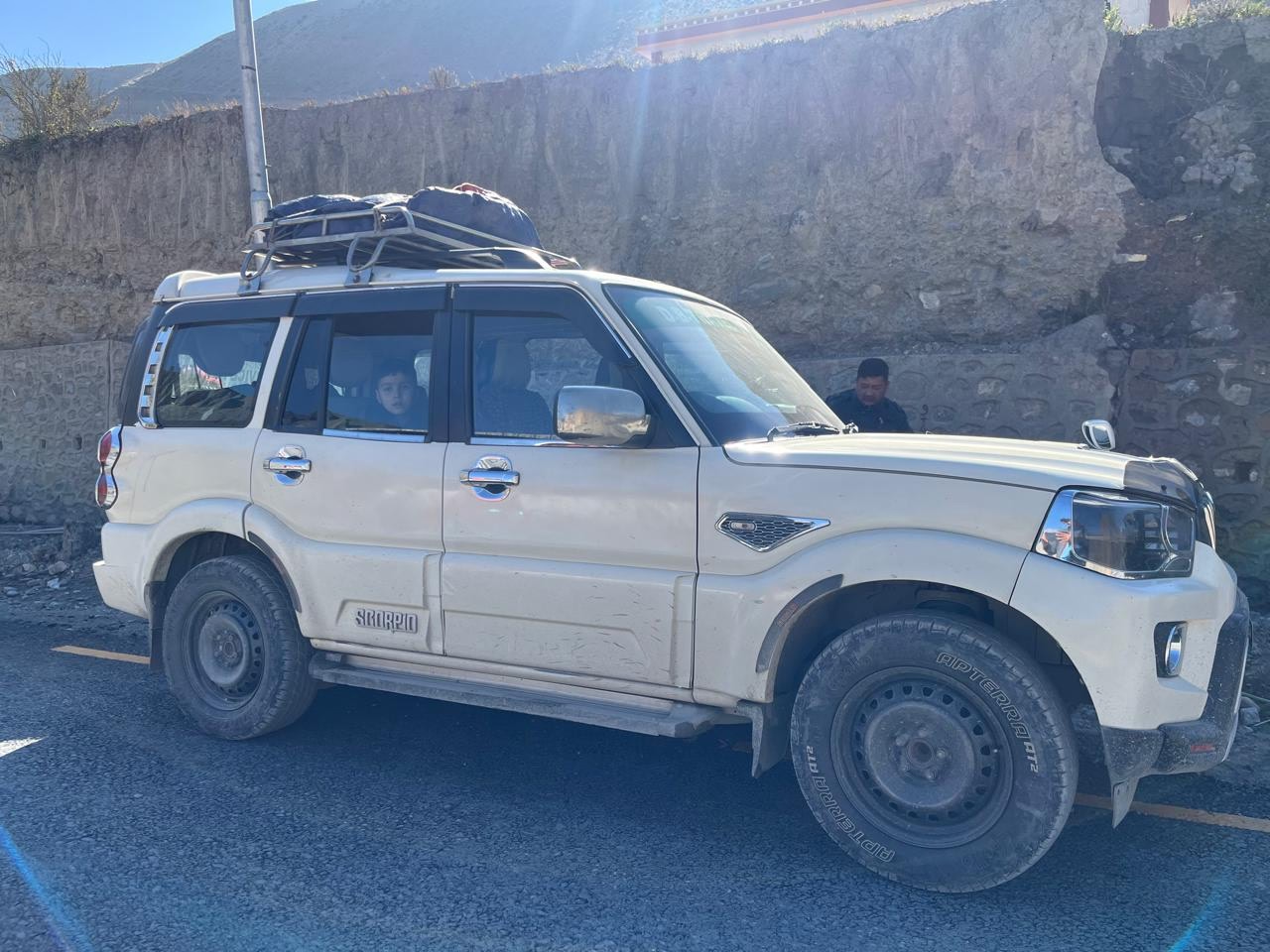
A jeep tour is one of the most practical ways to explore Mustang, particularly for travellers who want to cover several destinations without committing to a long trek. Mountain roads can be challenging, but a suitable 4WD vehicle with an experienced driver provides flexibility for a road-based Himalayan adventure.

9 Reasons to Choose a Mustang Jeep Tour
Comfort and Convenience
A private or shared jeep allows you to travel between destinations without carrying trekking equipment or walking long distances every day.
Explore More Places in Less Time
A jeep makes it possible to connect multiple destinations in one trip, from the lower Mustang area to major attractions farther north.
Ideal for Families and Groups
Families, friends, and small groups can travel together and share transportation costs while enjoying a private journey.
Freedom to Stop Along the Way
Road trips allow you to stop for photographs, viewpoints, village visits, meals, or short walks when conditions and the schedule allow.
A Better Option for Travellers Who Don't Want a Long Trek
You can experience many of Mustang's landscapes and cultural attractions without spending several days walking between settlements.
Access to Remote Areas
A jeep can reach places that may be difficult to access on foot within a limited travel schedule, although road and permit restrictions still apply.
Flexible Itinerary
Private jeep tours can often be organised around your preferred destinations, travel pace, and available time.
Great for Photography and Scenic Stops
Mustang's constantly changing landscapes provide countless opportunities for photography, and travelling by road makes scenic stops easier.
Experience the Adventure of Himalayan Roads
The rough and winding roads are themselves part of the experience, giving the journey an adventurous character that ordinary sightseeing cannot provide.
What Should You Expect?
A Mustang jeep tour is an adventure rather than a luxury road trip. Some sections can be rough, rocky, dusty, narrow, or affected by weather and road conditions. Driving days can also be long, particularly when covering greater distances.
Travelers should be prepared for:
Rough and uneven roads
Dust and occasional muddy sections
Long driving hours
Possible weather-related delays
Sudden changes in mountain conditions
High-altitude environments
Limited facilities in remote areas
Choosing a suitable vehicle, an experienced local driver, a realistic itinerary, and adequate time for acclimatisation can make the journey considerably more comfortable.
Kathmandu to Mustang by Jeep: Complete Route
A Kathmandu to Mustang jeep tour is a spectacular overland journey that takes you from Nepal’s busy capital through the green hills of central Nepal and gradually into the rugged, high-altitude landscapes of the Mustang region. The route combines mountain scenery, rivers, traditional villages, winding roads, and dramatic Himalayan views, making the drive itself an important part of the adventure.
The commonly travelled route begins in Kathmandu and continues toward Pokhara, one of Nepal’s major tourism hubs. From Pokhara, the journey heads north toward Beni, where the landscape starts becoming increasingly mountainous. The road then follows the Kali Gandaki corridor through Tatopani and Ghasa, with changing scenery, river valleys, waterfalls, and steep mountain slopes along the way. Continuing north, travellers reach the beautiful villages of Marpha and Tukuche before arriving at Jomsom, an important town and transportation centre in Lower Mustang.
From Jomsom, the journey continues toward Kagbeni, a historic settlement located near the entrance to Upper Mustang. The road then leads toward Muktinath, one of the region’s most significant pilgrimage destinations and a popular stop for both Hindu and Buddhist visitors. This Lower Mustang section offers a combination of natural scenery, cultural attractions, mountain villages, and high-altitude landscapes.
For travellers continuing into Upper Mustang, the route generally proceeds from Kagbeni toward Chele, Ghami, Tsarang, and finally Lo Manthang. Upper Mustang has its own distinctive landscapes, ancient settlements, monasteries, and Tibetan-influenced cultural heritage. Access requires the appropriate permits and follows specific travel regulations.

How Long Does the Journey Take?
There is no single fixed travel time for a Kathmandu-to-Mustang jeep journey. The actual duration can vary considerably depending on road conditions, weather, traffic, construction, road maintenance, stops, vehicle conditions, and the itinerary you choose.
Some sections may take longer than expected because mountain roads can be rough, winding, or temporarily affected by weather and construction. Travellers should therefore build flexibility into their schedule rather than planning every driving hour precisely.
A well-planned itinerary usually allows enough time for scenic stops, meals, sightseeing, rest, acclimatisation, and unexpected road delays. This makes the journey more comfortable and gives you the opportunity to enjoy Mustang rather than treating the trip simply as a race to reach the final destination.
Best Places to Visit on a Mustang Jeep Tour
Mustang offers a mix of Himalayan landscapes, traditional villages, religious sites, and unique Tibetan-influenced culture. Here are the key places to include in your itinerary:
Destination | What It Is | Why Visit? | Suggested Stay |
Pokhara | Major tourist city and Mustang gateway | Phewa Lake, mountain views, Lakeside | 1–2 nights |
Tatopani | Mountain village with hot springs | Relax in natural hot springs | 1 night |
Marpha | Traditional Mustang village | Stone streets, architecture, mountain views | 1 night |
Tukuche | Historic Himalayan settlement | Culture, traditional houses, scenery | Few hours–1 night |
Jomsom | Main town of Lower Mustang | Local life, mountain scenery, convenient base | 1 night |
Kagbeni | Historic village and Upper Mustang gateway | Ancient lanes, monasteries, unique landscape | 1 night |
Muktinath | Important Hindu and Buddhist pilgrimage site | Religious heritage and Himalayan views | 1 night |
Upper Mustang | Remote high-altitude region | Desert-like landscapes, monasteries, ancient villages | 3–7+ nights |
Lo Manthang | Historic walled settlement | Culture, monasteries, traditional architecture | 2–3 nights |
Lower Mustang vs Upper Mustang: What's the Difference?
Lower Mustang and Upper Mustang are part of the same fascinating Himalayan region, but they offer noticeably different travel experiences. Lower Mustang is generally easier to include in a shorter road trip, while Upper Mustang takes more planning and time. The main differences are in accessibility, landscapes, cultural character, itinerary length, and permit requirements.
Feature | Lower Mustang | Upper Mustang |
Main Destinations | Jomsom, Marpha, Tukuche, Kagbeni, Muktinath | Chele, Ghami, Tsarang, Lo Manthang |
Accessibility | Generally more accessible | More regulated and remote |
Trip Length | Suitable for shorter trips | Usually requires additional days |
Landscape | Mountain valleys, rivers, villages | Dry valleys, cliffs, barren high-altitude terrain |
Culture | Diverse Himalayan traditions | Strong Tibetan-influenced heritage |
Major Attractions | Marpha, Kagbeni, Muktinath, Kali Gandaki Valley | Ancient villages, monasteries, caves, Lo Manthang |
Permits | Standard travel requirements vary by route | Special restricted-area permit requirements apply |
Travel Experience | Easier road-based exploration | More remote and planned adventure |

Lower Mustang Is Better Suited to Shorter Trips
Lower Mustang is a practical option for travellers with limited time who still want to experience the distinctive landscapes and culture of the region. A road trip can include Tatopani, Marpha, Tukuche, Jomsom, Kagbeni, and Muktinath, depending on the itinerary.
The area combines dramatic mountain scenery with traditional villages, the Kali Gandaki Valley, religious sites, and relatively accessible transportation routes. Because it can be explored within a shorter itinerary, Lower Mustang is often easier to combine with a broader Nepal trip.
Upper Mustang Requires More Planning
Upper Mustang is farther north and has a more remote character. The route toward Chele, Ghami, Tsarang, and Lo Manthang takes travellers through dry valleys, dramatic cliffs, ancient settlements, monasteries, and landscapes strongly influenced by the region's Tibetan cultural heritage.
Travel to Upper Mustang requires the appropriate restricted-area permits and careful itinerary planning. Consider road conditions, weather, altitude, accommodation availability, and the greater distances involved before departure.
For travellers with more time, Upper Mustang provides an opportunity to explore beyond the main Lower Mustang route and experience a particularly distinctive part of Nepal's Himalayan landscape and cultural heritage.
Mustang Jeep Tour Permits and Entry Requirements
Permit requirements for Mustang depend on the exact route, with Upper Mustang subject to restricted-area regulations. For a Lower Mustang jeep tour, travellers should confirm the entry requirements for their planned destinations, while those continuing into Upper Mustang need the relevant restricted-area permit. The Nepal Department of Immigration currently lists the Upper Mustang restricted-area permit at USD 50 per person per day, covering specified areas including Lomanthang, Lo-Ghekar Damodarkunda, and parts of Baragung Muktichetra. (Immigration Department of Nepal) Foreign travellers entering restricted areas must obtain the required permit through an authorised trekking agency, and the Department of Immigration provides the current application requirements and procedures. (Immigration Department of Nepal) Because regulations, fees, and entry conditions can change, travellers should confirm the latest permit requirements with the Nepal Department of Immigration or a registered travel operator before departure.
Best Time for a Mustang Jeep Tour
Mustangs can be visited in different seasons, but each period offers a different combination of weather, road conditions, scenery, and travel opportunities. Because Mustang sits partly in the rain shadow of the Annapurna and Dhaulagiri ranges, areas of Mustang are considerably drier than much of Nepal. However, the roads leading into Mustang still pass through regions that can be affected by monsoon rain, landslides, flooding, snow, or road disruption.
Spring: March–May
Spring generally brings pleasant conditions for exploring Mustang, with improving temperatures and increasingly clear mountain views. The landscape can be particularly attractive during this period, while roads are generally more suitable for overland travel than during the wettest monsoon months. Spring can suit travellers who want a balance of comfortable conditions, mountain scenery, and road-trip opportunities.
Monsoon: June–August
Mustang's rain-shadow location means parts of the region, particularly farther north, remain relatively dry during Nepal's monsoon. However, reaching Mustang still involves roads through areas that receive significant rainfall. Landslides, muddy sections, flooding, and road disruptions can affect access, particularly on lower sections of the route. Travelers choosing this season should allow extra flexibility and check current road conditions before departure.
Autumn: September–November
Autumn follows the monsoon and is commonly associated with improving visibility and generally favorable mountain-travel conditions. The dry landscapes of Mustang can be especially striking against clear Himalayan skies. This season can suit travelers prioritizing mountain views, photography, comfortable road travel, and exploring villages and cultural sites.
Winter: December–February
Winter brings colder conditions, particularly at higher elevations. Snow and freezing temperatures can affect some roads and destinations, while shorter daylight hours may also influence driving schedules. However, travelers prepared for cold weather may enjoy quieter surroundings and a different perspective of Mustang's stark winter landscape. Conditions can vary considerably between lower and higher elevations.
Which Season Is Right for You?
The right season depends on your priorities rather than one universally suitable travel period. Spring can suit travelers looking for comfortable temperatures and mountain scenery; summer/monsoon may appeal to those with flexible schedules who understand the potential road disruptions; autumn is suitable for travelers prioritizing clearer mountain views and generally favorable road conditions; and winter can work for travelers comfortable with cold temperatures and possible snow-related disruptions.
Before starting a Mustang Jeep Tour, check the latest weather, road, and local travel conditions, particularly if your itinerary includes remote or high-altitude sections.

How Many Days Do You Need for a Mustang Jeep Tour?
The ideal length of a Mustang Jeep Tour depends on how much of the region you want to explore, your travel pace, and whether you plan to visit Lower Mustang or continue into Upper Mustang. A short trip can cover the major highlights, while a longer itinerary allows more time for villages, monasteries, scenic stops, and unexpected road delays.
5–7 Days: Short Mustang Trip
A 5–7 day Mustang Jeep Tour is suitable for travelers with limited time who want to experience the main attractions of Lower Mustang. A typical route can include Pokhara, Tatopani, Marpha, Tukuche, Jomsom, Kagbeni, and Muktinath. This itinerary keeps the journey relatively focused, with longer driving days and fewer opportunities for extended village exploration. It works well for travelers who mainly want to experience the Himalayan landscapes, mountain roads, traditional villages, and major cultural sites.
8–10 Days: Relaxed Mustang Journey
An 8–10 day itinerary provides a more comfortable pace. Instead of spending most of the day driving, travelers can allow additional time for sightseeing, photography, short walks, and exploring places such as Marpha, Kagbeni, and Muktinath. Extra time also makes the trip more flexible if weather or road conditions affect the planned schedule.
10–14+ Days: Upper Mustang Adventure
Travelers planning to explore Upper Mustang should generally allow 10–14 days or more. The journey can extend beyond Kagbeni toward destinations such as Chele, Ghami, Tsarang, and Lo Manthang. Because Upper Mustang is more remote and requires additional planning and permits, a longer itinerary allows travelers to experience its distinctive landscapes, ancient settlements, monasteries, and cultural heritage without rushing.
Why You Should Leave Extra Time
Mountain travel rarely follows an exact timetable. Road construction, landslides, heavy rain, snowfall, traffic, rough terrain, vehicle problems, and weather changes can cause unexpected delays. Even when the road is open, difficult sections may make driving slower than expected. For this reason, it is wise to keep at least one flexible day in a longer Mustang itinerary, especially when traveling during seasons when road conditions can change quickly. Building extra time into your schedule can also reduce the stress of catching a flight or connecting to another destination immediately after the tour.
What Are the Roads Like on a Mustang Jeep Tour?
The roads on a Mustang Jeep Tour vary considerably depending on the route and season. The journey from Pokhara toward Lower Mustang includes paved sections, gravel roads, rocky tracks, river crossings, and narrow mountain stretches. Farther north toward Upper Mustang, roads can become rougher and more remote. Travel times can therefore vary, and the condition of the road may change during the same trip. A four-wheel-drive vehicle and an experienced local driver are important for handling these changing conditions.
Paved Roads
The early sections of the journey, particularly around major towns and parts of the route toward Pokhara and Beni, include paved roads. These sections are generally smoother and more comfortable than the mountain roads farther into Mustang. However, traffic, construction, and road maintenance can still affect travel time.
Gravel and Rocky Roads
As the journey continues deeper into Mustang, travelers encounter more gravel, stones, uneven surfaces, and rough tracks. Some sections can be bumpy, particularly after rain or road maintenance. A suitable jeep with good ground clearance is useful for these conditions. Travelers should also expect dust during dry periods and allow additional time for difficult stretches.
Narrow Mountain Sections
Some parts of the Mustang route pass through narrow mountain roads and steep valleys. The road may run alongside cliffs or above river valleys, making careful driving essential. Vehicles may need to slow down considerably when passing other vehicles or navigating particularly tight sections. Passengers who are uncomfortable with heights should be prepared for some challenging-looking stretches.
Weather-Related Road Problems
Weather can significantly affect Himalayan road travel. Heavy rainfall can cause landslides, mud, flooding, or temporary road closures, particularly on lower sections of the route. Snow and freezing temperatures can also affect higher areas during winter. Even when Mustang itself receives relatively little rainfall in its northern rain-shadow areas, access roads from lower elevations can still experience weather-related disruptions. Checking road conditions before departure and maintaining a flexible itinerary is therefore important.
Why an Experienced Driver Matters
An experienced Mustang driver brings more than basic driving skills. Local drivers are familiar with the terrain, changing road conditions, narrow sections, weather-related disruptions, and common stops along the route. They can adjust driving speed and route decisions according to the conditions. Before booking, travelers should confirm that the vehicle is appropriate for mountain travel and that the driver has relevant experience on the Mustang route.
Is a Mustang Jeep Tour Safe?
A Mustang Jeep Tour can be undertaken safely with appropriate preparation, but mountain road travel always involves some level of risk. Road conditions, weather, vehicle issues, altitude, and unexpected delays cannot be completely eliminated. Travelers should use a properly maintained vehicle, choose an experienced driver, follow local guidance, avoid unnecessary rushing, and allow flexibility in the itinerary. Travel insurance that covers the activities and elevations involved can also provide additional protection. Safety ultimately depends on current conditions, responsible driving, and making sensible decisions during the journey.
What to Pack for a Mustang Jeep Tour
Thermal layers – Base layers for cold mornings and higher elevations.
Fleece jacket – Lightweight warmth for layering.
Warm jacket – Insulated jacket for cold evenings and high-altitude areas.
Waterproof layer – Rain jacket or waterproof shell for changing weather.
Gloves – Warm gloves for chilly mornings and evenings.
Hat and warm socks – Protect your head and keep your feet warm.
Comfortable shoes – Sturdy footwear for village walks and short hikes.
Water bottle – Reusable bottle to stay hydrated.
Power bank and charger – Useful during long drives and limited charging opportunities.
Headlamp – Helpful during power cuts, early mornings, or dark areas.
Sunscreen and sunglasses – Important protection from strong mountain sunlight.
Passport/ID – Carry your identification throughout the journey.
Permits – Keep required Mustang or Upper Mustang permits accessible.
Insurance information – Carry your travel insurance details and emergency contacts.
Camera – Capture Mustang's landscapes, villages, and mountain views.
Spare batteries and memory cards – Useful when photography opportunities are frequent.
Cleaning cloth – Protect camera lenses from dust and dirt.
Personal medications – Bring any regular medicines and basic first-aid supplies.
Snacks – Useful during long driving sections between settlements.
Small daypack – Keep water, documents, electronics, sunscreen, and other essentials within easy reach.
Altitude and Health Considerations in Mustang
A Mustang Jeep Tour can take travelers to high-altitude destinations where the thinner air may affect the body, even when traveling by vehicle. Altitude-related problems can vary from person to person, so travelers should plan carefully and avoid treating a jeep tour as a low-risk alternative to trekking simply because there is less physical exertion.
High-Altitude Destinations
Jomsom, Kagbeni, Muktinath, and destinations farther into Upper Mustang are at significantly higher elevations than Pokhara.
The higher you travel, the more important altitude awareness becomes.
Travelers who are not accustomed to high elevations should plan their itinerary accordingly.
Acclimatization
Allow your body time to adjust when gaining altitude.
Avoid rushing through multiple high-altitude destinations in a single day when possible.
A gradual itinerary with appropriate overnight stops can make the journey more comfortable.
Follow guidance from qualified medical professionals or local authorities when necessary.
Stay Hydrated
Drink water regularly throughout the day.
Dry mountain air, sunlight, and long hours inside a vehicle can contribute to dehydration.
Limit excessive alcohol consumption, particularly while adjusting to altitude.
Get Enough Rest
Sleep well and avoid unnecessary physical exertion after reaching higher elevations.
Take breaks during long driving days.
Give yourself additional time if you feel unusually tired.
Symptoms to Watch For
Possible altitude-related symptoms can include:
Headache
Dizziness
Nausea
Unusual tiredness
Loss of appetite
Shortness of breath
Difficulty sleeping
These symptoms can have different causes, so they should not automatically be assumed to be altitude sickness.
When to Seek Help
Tell your driver, guide, or travel companions if you feel unwell.
Do not ignore symptoms that are severe, worsening, or accompanied by significant breathing difficulties, confusion, difficulty walking, or unusual drowsiness.
In such situations, seek medical assistance promptly and follow professional advice about moving to a lower elevation.
Why Driving Doesn't Eliminate Altitude Risk
A jeep reduces the physical effort required to reach Mustang, but altitude exposure remains the same. Your body is still exposed to lower oxygen levels as the vehicle climbs. This is why rest, hydration, gradual altitude gain, and awareness of symptoms remain important even on a comfortable road-based journey.
Where to Stay During a Mustang Jeep Tour
Accommodation is an important part of planning a Mustang Jeep Tour, especially because facilities change as you travel from major tourist centers into remote mountain communities. Travelers can find everything from comfortable hotels in Pokhara to simple guesthouses and locally operated lodges in Upper Mustang.

Accommodation in Pokhara
Pokhara offers the widest range of accommodation options on the Mustang route. Travelers can choose from budget guesthouses and standard hotels to comfortable and higher-end properties. Staying in Pokhara before or after the jeep journey also provides an opportunity to rest and prepare for the mountain road trip.
Hotels and Guesthouses in Lower Mustang
Lower Mustang has a mixture of hotels, lodges, and family-run guesthouses in places such as Tatopani, Marpha, Tukuche, Jomsom, Kagbeni, and Muktinath. Facilities vary by location, but travelers can generally find basic rooms, meals, and essential services.
Accommodation in Jomsom
Jomsom is one of the main accommodation hubs in Lower Mustang. It offers several hotels and guesthouses, making it a practical overnight stop for travelers exploring nearby destinations. Availability can become more limited during busy travel periods, so advance arrangements may be useful.
Guesthouses in Upper Mustang
Accommodation becomes more basic as you travel deeper into Upper Mustang. Towns and villages such as Chele, Ghami, Tsarang, and Lo Manthang have locally operated guesthouses and lodges. These provide a more traditional mountain travel experience but may have fewer facilities than hotels in Pokhara or larger towns.
What to Expect From Mountain Accommodation
Travelers should keep expectations realistic. Remote mountain accommodation may offer simple rooms, shared bathrooms, limited hot water, basic heating, and fewer charging facilities. Internet and mobile connectivity can also vary. Some guesthouses provide blankets and meals, but travelers should confirm what is included before booking. Carrying a sleeping bag or warm personal layers can be useful during colder periods.
Accommodation and Meals
Accommodation and meals are generally available throughout a Mustang Jeep Tour, but the standard of facilities changes as you travel farther into the mountains. Pokhara offers a wide range of hotels and guesthouses, while Lower Mustang has locally operated hotels, lodges, and family-run guesthouses in places such as Tatopani, Marpha, Tukuche, Jomsom, Kagbeni, and Muktinath. In Upper Mustang, accommodation is usually more basic, with simple guesthouses in villages such as Chele, Ghami, Tsarang, and Lo Manthang.
Meals commonly include dal bhat, momo, thukpa, Tibetan bread, noodles, fried rice, vegetables, potatoes, and soups, with tea and coffee widely available. As you travel into remote areas, food choices and facilities may become more limited, so carrying snacks such as nuts, chocolate, energy bars, and dried fruit is useful. Before booking your tour, confirm whether accommodation, breakfast, lunch, dinner, drinking water, and room upgrades are included in the package.
Altitude and Health Considerations in Mustang
High-Altitude Destinations: Jomsom, Kagbeni, Muktinath, and Upper Mustang are located at significantly higher elevations, where the air contains less oxygen.
Acclimatization: Allow your body time to adjust when traveling to higher elevations. Avoid rushing through multiple high-altitude destinations whenever possible.
Hydration: Drink water regularly throughout the journey. Dry mountain air, sunlight, and long driving hours can increase the need for fluids.
Rest: Get enough sleep and avoid unnecessary physical exertion after reaching higher elevations. Take regular breaks during long jeep journeys.
Symptoms to Watch For: Pay attention to headache, dizziness, nausea, unusual tiredness, loss of appetite, shortness of breath, or difficulty sleeping.
When to Seek Help: If symptoms become severe, worsen, or include significant breathing difficulties, confusion, difficulty walking, or unusual drowsiness, seek medical assistance promptly and follow professional advice.
Why Driving Doesn't Eliminate Altitude Risk: A jeep reduces physical exertion, but it does not prevent exposure to high altitude. Your body still experiences lower oxygen levels as the vehicle climbs, so gradual travel, rest, hydration, and awareness of symptoms remain important.
Is Mustang Jeep Tour Suitable for You?
A Mustang Jeep Tour can suit different types of travelers because it combines mountain scenery, cultural experiences, remote villages, and road-based adventure without requiring a long trekking itinerary. However, each travel style has different priorities. Families may value comfort and flexibility, couples may prefer scenic stops and private travel, while photographers and adventure travelers may want more time to explore remote landscapes.
Mustang Jeep Tour for Families
A Mustang Jeep Tour can be a practical option for families who want to experience the Himalayas without committing to a long trek. Traveling by jeep reduces the amount of walking required and allows the group to carry luggage more easily. Families can also plan shorter driving days, regular breaks, and comfortable overnight stops. However, parents should consider the length of the journey, rough road sections, altitude, and changing weather when planning a trip with children. Keeping the itinerary flexible can make the experience more comfortable.
Mustang Jeep Tour for Couples
For couples, a private jeep can provide flexibility and privacy throughout the journey. The route offers opportunities to enjoy mountain views, traditional villages, monasteries, rivers, and dramatic landscapes together. Couples can customize their schedule around photography stops, village walks, local food, and overnight stays. A slower itinerary can also make the journey more relaxed, particularly when traveling toward Upper Mustang.
Mustang Jeep Tour for Friends
Traveling with friends can make a Mustang road trip more social and flexible. A private jeep allows the group to share transportation costs while deciding where to stop and how long to stay. Friends can explore villages, take photographs, enjoy local food, and experience the changing landscapes together. It is still important to agree on the itinerary, budget, accommodation preferences, and driving schedule before starting the journey.
Mustang Jeep Tour for Photographers
Mustang offers diverse subjects for photography, including dry Himalayan valleys, dramatic cliffs, snow-covered peaks, traditional villages, monasteries, colorful prayer flags, and distinctive mountain architecture. A jeep tour provides the flexibility to stop at viewpoints and scenic locations that may be difficult to reach on a fixed group schedule. Photographers should carry spare batteries, memory cards, lens-cleaning equipment, and protection against dust. Early mornings and late afternoons can provide changing light across the landscape, but travelers should always prioritize safe stopping locations.
Mustang Jeep Tour for Adventure Travelers
Adventure travelers may enjoy the combination of rugged roads, remote settlements, high-altitude landscapes, and unpredictable mountain conditions. The journey itself becomes part of the experience rather than simply transportation between destinations. Those continuing into Upper Mustang can experience a more remote environment with ancient settlements, monasteries, caves, and distinctive desert-like landscapes. Adventure travelers should still prepare properly for altitude, changing weather, rough roads, and limited facilities in remote areas.
Overall, a Mustang Jeep Tour can accommodate a wide range of travel styles, but the right itinerary depends on your group, available time, comfort preferences, and interest in Lower or Upper Mustang. A carefully planned route allows travelers to balance driving time with sightseeing, rest, photography, and cultural experiences.

Responsible Tourism & First-Time Mustang Jeep Tour Tips
Reduce Plastic and Avoid Littering: Carry a reusable water bottle and bag, avoid unnecessary single-use plastic, and take all waste with you until you find proper disposal facilities.
Respect Local Culture and Communities: Dress appropriately, follow local customs, and behave respectfully toward residents, monks, and community members.
Respect Monasteries and Religious Sites: Follow posted rules, avoid touching religious objects, and ask permission before taking photographs inside or around sacred places.
Ask Before Photographing People: Always seek permission before taking close-up photographs of local people, monks, or children.
Support Local Businesses: Stay at locally operated guesthouses, eat at local restaurants, hire local services where appropriate, and consider purchasing locally made products.
Check Roads and Keep Your Schedule Flexible: Mountain road conditions can change because of weather, construction, landslides, or other disruptions. Start early when practical and allow extra travel time.
Choose an Experienced Driver and Suitable Vehicle: A knowledgeable mountain driver and properly maintained vehicle are important for navigating rough, narrow, and changing road conditions.
Prepare for Altitude and Changing Weather: Pack layers, stay hydrated, rest properly, and take altitude seriously. Keep warm clothing and essential personal items easily accessible.
Carry Essentials and Important Documents: Keep your passport or ID, permits, insurance information, cash, power bank, medications, water bottle, and emergency contacts secure and accessible.
Protect Mustang's Heritage and Environment: Do not damage historic structures, remove objects, waste water, or disturb natural surroundings. Follow local regulations and enjoy the journey without rushing from one destination to another.
Final Thoughts: Is a Mustang Jeep Tour Worth the Journey?
A Mustang Jeep Tour is more than simply a way to reach a destination. As the road climbs away from the greener valleys, the landscape gradually changes into dramatic cliffs, dry mountain valleys, rocky trails, and high Himalayan scenery. Along the way, traditional villages, monasteries, local architecture, and everyday mountain life add a cultural dimension to the journey.
Whether your route ends around Muktinath or continues deeper into Upper Mustang, the experience comes from seeing how the landscape and communities change with every section of the road. A responsible approach—respecting local culture, protecting the environment, preparing for altitude, and allowing flexibility for mountain conditions—helps make the journey more enjoyable and sustainable.
In Mustang, the destination may be the reason you start the journey, but the road, mountains, villages, and people you encounter along the way are what you'll remember long after you return home.
Nepal Recreation
Travel specialist sharing firsthand stories, comprehensive trekking guides, and expert advice to help you plan your Himalayan adventures.