Kathmandu to Mustang Tour: Itinerary, Cost & Travel Options
A Kathmandu to Mustang tour is an unforgettable journey through Nepal’s diverse landscapes, traditional mountain settlements, sacred pilgrimage sites, and dramatic Himalayan scenery. Traveling west from Kathmandu, visitors can experience river valleys, terraced hills, mountain roads, apple orchards, ancient monasteries, and the distinctive high-desert landscape of the Mustang region.
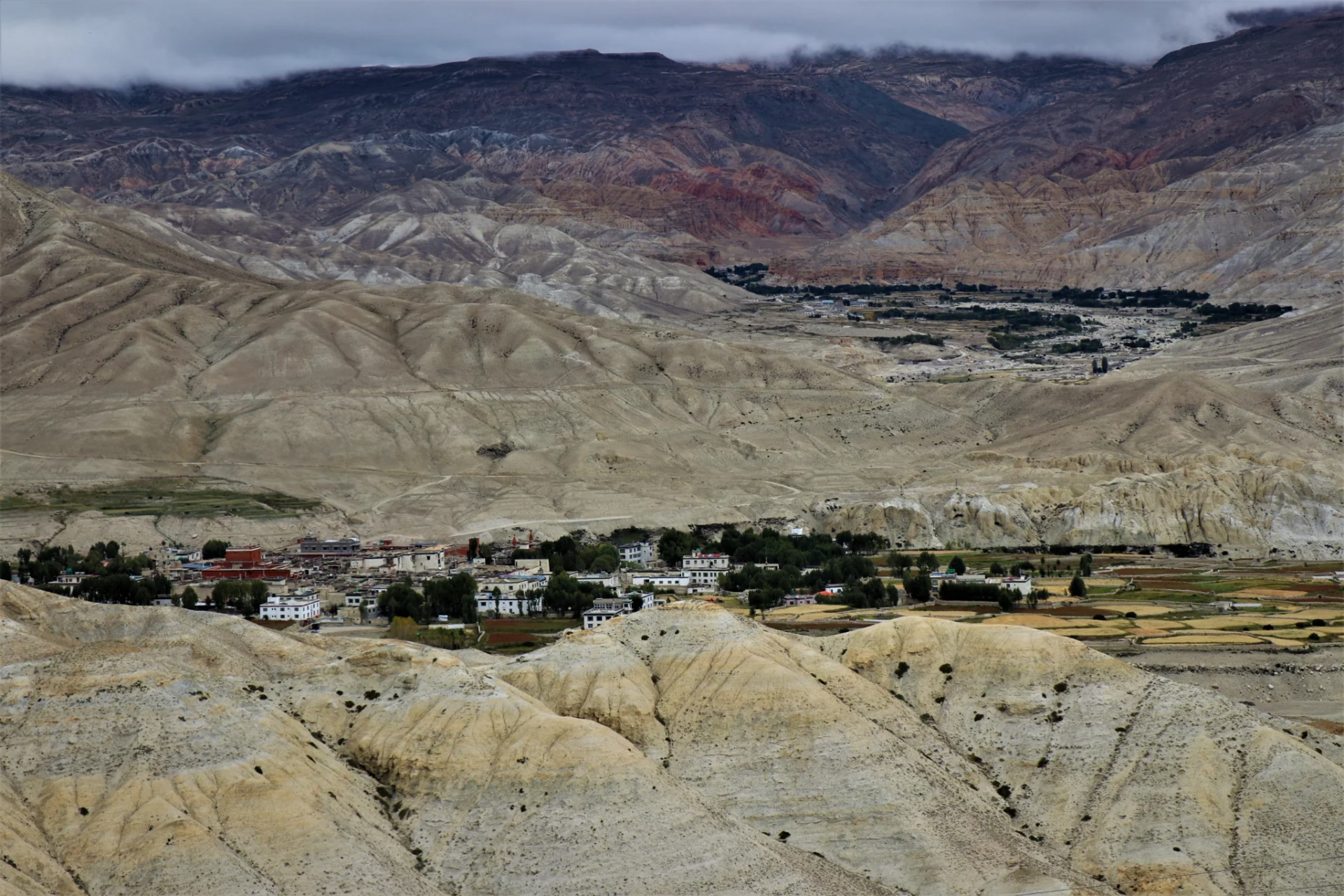
Mustang offers different experiences depending on how far you travel. Lower Mustang is popular for destinations such as Jomsom, Marpha, Kagbeni, and Muktinath Temple. Upper Mustang attracts travelers interested in Lo Manthang, historic monasteries, traditional Tibetan-influenced culture, and colorful cliffs shaped by wind and erosion.
You can explore Mustang by private jeep, public transportation, domestic flights combined with road travel, or a trekking itinerary. The right choice depends on your budget, available time, group size, and travel preferences. This guide explains the best routes, day-by-day itineraries, transportation choices, cost factors, permits, and practical tips for planning your Kathmandu to Mustang tour.
Where Is Mustang in Nepal?
Mustang is a Himalayan district in north-central Nepal, within Gandaki Province. It lies in the rain-shadow region behind the Annapurna and Dhaulagiri mountain ranges, creating a landscape that differs considerably from Nepal’s greener hills and forests.
The region is commonly divided into Lower Mustang and Upper Mustang for travel planning.
Lower Mustang includes popular destinations such as Jomsom, Marpha, Kagbeni, and Muktinath. It is suitable for travelers seeking a shorter road trip, mountain scenery, village experiences, and religious heritage.
Upper Mustang lies farther north and includes settlements such as Chele, Ghami, Tsarang, and Lo Manthang. It is known for its walled settlements, Buddhist monasteries, ancient caves, and arid Himalayan landscapes. Access to the restricted Upper Mustang area requires a special permit and compliance with current entry regulations.
For travelers with limited time, Lower Mustang can be explored in approximately five to seven days from Kathmandu. A more comprehensive Upper Mustang tour generally requires around 10–14 days or longer, depending on transportation, sightseeing plans, and road conditions.

Kathmandu to Mustang Tour Itinerary
The itinerary below is designed for travelers who want to experience Lower Mustang comfortably by road. It includes time for sightseeing and overnight stops rather than treating Mustang only as a transportation destination.
Day 1: Kathmandu to Pokhara
Begin your journey from Kathmandu and travel west toward Pokhara. The drive follows the Prithvi Highway through river valleys, green hills, small towns, and rural settlements. Depending on traffic, roadwork, weather, and stops, the journey can take much of the day.
After reaching Pokhara, check into your hotel and spend the evening relaxing around Lakeside or enjoying views of Phewa Lake if time permits. Pokhara is a convenient overnight stop because it provides accommodation, restaurants, transport services, and access to the onward route toward Mustang.
Overnight: Pokhara
Day 2: Pokhara to Jomsom via Beni and Marpha
Leave Pokhara early and travel toward Beni before continuing along the Kali Gandaki corridor. The landscape gradually changes as you pass river valleys, villages, waterfalls, and increasingly dry mountain terrain. Depending on the selected route and road conditions, the journey may pass through Tatopani, Ghasa, Marpha, and other settlements before reaching Jomsom.
If time allows, stop at Marpha to explore its traditional lanes, stone houses, and local shops. Continue to Jomsom, a major settlement and transport hub in Lower Mustang. Mountain roads can be rough, so allow extra time for the drive and avoid planning too many stops on the same day.
Overnight: Jomsom
Day 3: Jomsom to Muktinath and Return to Jomsom
After breakfast, travel toward Muktinath, an important religious destination situated at approximately 3,800 meters above sea level. The temple complex is sacred to both Hindus and Buddhists and attracts pilgrims from Nepal and abroad. Spend time exploring the temple area respectfully and learning about its religious significance. The complex includes sacred water spouts and nearby places of worship.
Because Muktinath is at high altitude, walk slowly and avoid rushing during your visit. Temperatures can be cold even when the sun is shining, so carry warm clothing. After sightseeing, return toward Jomsom or stay in the surrounding area, depending on your transport arrangements and preferred pace.
Overnight: Jomsom or nearby settlement
Day 4: Jomsom to Kagbeni and Explore the Village
Travel to Kagbeni, a traditional settlement located near the northern end of the Lower Mustang travel corridor. Its narrow lanes, traditional buildings, and distinctive landscape make it an excellent place to experience the region’s cultural atmosphere.
Spend time walking through the village, observing traditional architecture, and enjoying views of the surrounding hills and river valley. If you are interested in local culture, consider visiting permitted religious sites while respecting community customs.
Kagbeni is also an important gateway for journeys into Upper Mustang. However, traveling farther north into the restricted area requires the appropriate permit and compliance with current regulations. If you are planning only a Lower Mustang trip, you can enjoy Kagbeni without continuing into the restricted region.
Overnight: Kagbeni or Jomsom
Day 5: Jomsom to Tatopani
Begin the return journey through the Kali Gandaki Valley. Depending on road conditions and your chosen route, you may pass through Marpha, Ghasa, and other settlements along the way. Enjoy the changing scenery as the dry, rocky landscape gradually gives way to greener hills and river valleys. Stop for photographs where it is safe to do so, and consider taking a break in a village along the route.
Tatopani is known for its natural hot springs. If the facilities are operating and conditions allow, you may have time to relax there. Travel times can vary significantly on mountain roads, so keep your schedule flexible and confirm the overnight stop with your driver.
Overnight: Tatopani or another suitable stop along the route
Day 6: Tatopani to Pokhara
Continue toward Beni and Pokhara. The road journey takes you through mountain settlements, river scenery, and increasingly developed areas as you approach Pokhara. After arriving, check into your hotel and enjoy a relaxed afternoon. Depending on your arrival time, you could explore Lakeside, visit a local restaurant, or enjoy the views around Phewa Lake. This overnight stop also provides flexibility in case the return journey from Mustang takes longer than expected.
Overnight: Pokhara
Day 7: Pokhara to Kathmandu
After breakfast, return to Kathmandu by road. The journey passes through river valleys, green hills, and busy towns along the Prithvi Highway. On arrival in Kathmandu, the tour concludes. If you have an onward international flight, consider keeping a sufficient buffer rather than relying on an exact arrival time from Pokhara.
This seven-day itinerary offers a balanced introduction to Lower Mustang, including its major settlements, pilgrimage heritage, mountain landscapes, and local culture.
Overnight: Kathmandu, if required
Upper Mustang Tour Itinerary: 12–14 Days
Travelers who want to explore Lo Manthang and the northern Mustang landscape should allow additional time. Upper Mustang is a restricted area, and the itinerary must account for permits, required arrangements, road conditions, and time spent exploring the region.
The following is a sample itinerary; actual travel stages may change according to road access, vehicle suitability, and the rules in force when you travel.
Day | Route or activity |
Day 1 | Kathmandu to Pokhara |
Day 2 | Pokhara to Jomsom by road or flight, subject to availability |
Day 3 | Jomsom to Kagbeni; complete required arrangements |
Day 4 | Kagbeni to Chele via the permitted route |
Day 5 | Chele to Ghami via traditional settlements and dry valleys |
Day 6 | Ghami to Tsarang, with time for scenery and cultural stops |
Day 7 | Tsarang to Lo Manthang |
Day 8 | Explore Lo Manthang, its historic settlement, and permitted monasteries |
Day 9 | Visit nearby cultural sites or caves where access is permitted |
Day 10 | Begin the return journey toward Ghami or another suitable overnight stop |
Day 11 | Continue toward Kagbeni and Jomsom |
Day 12 | Travel toward Pokhara |
Day 13 | Return to Kathmandu |
Day 14 | Optional buffer day for delays or additional sightseeing |
Upper Mustang itineraries vary considerably. Some travelers choose to trek, while others use a suitable jeep for parts or all of the road-accessible route. Trekking schedules require different daily stages and should be planned with a registered trekking agency.
The optional buffer day is particularly useful when flights, road access, or weather affect the schedule.

How to Reach Mustang from Kathmandu
There is no single transportation choice that is best for every traveler. The most suitable route depends on your budget, time, comfort preferences, and whether you are visiting Lower Mustang or entering restricted Upper Mustang.
1. Kathmandu to Mustang by Private Jeep
A private jeep is a flexible option for travelers who want to explore Mustang at their own pace. It allows you to stop for photographs, visit villages along the way, and adjust the schedule to suit your group. A typical road journey begins in Kathmandu, continues to Pokhara, and then proceeds through Beni and the Kali Gandaki Valley toward Jomsom and other Mustang destinations.
Best for: Families, small groups, photographers, and travelers who value flexibility.
Advantages:
Flexible departure and sightseeing stops.
Convenient for groups traveling together.
Useful for reaching multiple villages.
Easier to adjust the itinerary to personal interests.
Things to consider: Mountain roads can be rough, travel times are unpredictable, and the vehicle must be suitable for the intended route. Confirm the driver's experience, fuel arrangements, accommodation stops, and any additional charges before booking.
2. Kathmandu to Mustang by Public Bus or Shared Transport
Public buses and shared vehicles can reduce transportation expenses, especially for travelers on a limited budget. However, availability, departure times, comfort, and connections vary along the route. Travelers commonly use road transport to reach Pokhara and then arrange onward transport toward Mustang. Depending on the destination and current services, additional transfers may be necessary.
Best for: Budget-conscious travelers with flexible schedules.
Advantages:
Often less expensive than hiring a private vehicle.
Opportunities to experience local travel.
Suitable for travelers who do not require a customized itinerary.
Things to consider: Journeys may take longer, luggage space may be limited, and onward connections may not align conveniently. Confirm the latest route and service information locally before departure.
3. Kathmandu to Mustang by Flight and Road
Flying can save time on part of the journey. Travelers may fly from Kathmandu to Pokhara and then take a separate flight from Pokhara to Jomsom when services are operating. The Jomsom flight is weather-dependent and can be disrupted by wind or other conditions. You may therefore need additional time or an alternative road arrangement.
Best for: Travelers with limited time and those who prefer to avoid a long road journey in one direction.
Advantages:
Reduces travel time on the relevant sections.
Offers scenic views of the Himalayan region.
Can be combined with a road journey for a varied experience.
Things to consider: Flight tickets are booked for separate routes, schedules can change, and baggage restrictions may apply. Avoid making essential same-day connections that depend on a Jomsom flight arriving on time.
4. Kathmandu to Mustang by Trekking
Trekking is a good choice for travelers who want to experience the landscape on foot and spend more time in villages along the route. Trekking itineraries can include Kagbeni, Chele, Ghami, Tsarang, and Lo Manthang, depending on the selected route and schedule.
Upper Mustang requires special permit arrangements, and travelers must comply with current guide and agency requirements. A trekking agency can help organize the route, accommodation, permits, and logistics.
Best for: Hiking enthusiasts, cultural travelers, and visitors who prefer a slower-paced experience.
Things to consider: Trekking requires more time, suitable equipment, and preparation for altitude, weather, and long walking days.
Kathmandu to Mustang Tour Cost
The cost of a Kathmandu to Mustang tour depends on the destination, number of days, group size, transport type, accommodation standard, meals, and permit requirements. A short Lower Mustang road trip will generally have a different budget from a longer Upper Mustang expedition. Rather than relying on one advertised price, compare the complete cost of the trip and confirm what is included in the quotation.
Main Factors That Affect Mustang Tour Cost
Cost factor | What affects the price? |
Transportation | Private jeep, public bus, shared vehicle, or domestic flights |
Tour duration | Number of travel days and overnight stops |
Group size | Whether vehicle and guide costs are shared |
Accommodation | Basic lodges, standard hotels, or upgraded rooms |
Meals | Whether breakfast, lunch, dinner, and drinks are included |
Guide and driver | Service duration, route, and required arrangements |
Permits | Required conservation-area and restricted-area permits |
Activities | Sightseeing, cultural visits, and optional experiences |
Personal expenses | Snacks, drinks, charging, tips, and shopping |
Contingency | Extra nights, flight delays, or road disruptions |
Lower Mustang Tour Cost
A Lower Mustang tour usually has fewer permit and planning requirements than a journey into the restricted Upper Mustang. Your budget will primarily depend on transportation, accommodation, meals, tour length, and the number of people traveling together.
A private jeep offers greater flexibility but may cost more per person when traveling alone or in a small group. Shared transport can reduce costs but may require additional time and less flexibility.
When comparing packages, check whether the price includes Kathmandu–Pokhara transportation, the onward Mustang journey, hotel stays, meals, driver expenses, and sightseeing. A low advertised price may exclude several essential items.
For an accurate quotation, provide your travel dates, group size, preferred accommodation, and planned destinations.
Upper Mustang Tour Cost
Upper Mustang generally requires a higher budget because the restricted-area permit is a substantial additional expense. The Department of Tourism lists the restricted-area permit fee as US500perpersonforthefirst10daysandUS50 per person per day beyond 10 days. Confirm the current rules and fee directly before travel.
Official information: Department of Tourism – Restricted Area Trekking Permits.
In addition to the restricted-area permit, budget for required conservation-area entry permits, transport or trekking arrangements, accommodation, meals, guide services, and personal expenses. The final total depends on how many days you spend in the restricted area and whether you travel by jeep or trek.
How to Reduce Your Mustang Tour Expenses
Travel with a group and share the cost of a private vehicle where practical.
Compare the total package price rather than looking only at the advertised starting price.
Choose accommodation that fits your needs instead of automatically selecting premium hotels.
Book flights and accommodation in advance when your dates are fixed.
Confirm what meals, permits, guide services, and transfers are included.
Keep extra funds available for unexpected overnight stays or transport changes.
Avoid choosing a vehicle or service solely because it is the cheapest; safety and suitability matter on mountain roads.
For a current quotation, contact your tour operator with your travel dates, number of travelers, preferred itinerary, and transportation choice.

Lower Mustang vs Upper Mustang: Which Tour Should You Choose?
Both areas offer remarkable scenery and cultural experiences, but they suit different travel plans.
Feature | Lower Mustang | Upper Mustang |
Popular destinations | Jomsom, Marpha, Kagbeni, Muktinath | Chele, Ghami, Tsarang, Lo Manthang |
Main attractions | Pilgrimage, villages, river valleys, mountain views | Walled settlements, monasteries, caves, arid landscapes |
Recommended duration | Around 5 to 7 days from Kathmandu | Around 10 to 14 days or longer |
Travel style | Road trip, jeep tour, short walks | Jeep exploration or trekking |
Special restricted-area permit | Generally not required for the standard Lower Mustang route; check the exact itinerary | Required |
Typical budget considerations | Transport, accommodation, meals, and applicable permits | All standard expenses plus restricted-area permit and additional logistics |
Suitable for | Short trips and pilgrimage journeys | Cultural exploration and longer adventures |
Choose Lower Mustang if you have limited time or mainly want to visit Muktinath, Jomsom, Marpha, and Kagbeni. Choose Upper Mustang if you want to explore Lo Manthang, its surrounding settlements, and the region's distinctive cultural heritage.
Best Time for a Kathmandu to Mustang Tour
Mustang can be visited in different seasons, but conditions vary with altitude, weather, and the route you choose.
Spring: March to May
Spring is a popular period for mountain travel. Days can be pleasant for sightseeing, village walks, and photography, although mornings and evenings may remain cold. This season is also associated with cultural events in Upper Mustang. If you want to attend a festival such as Tiji in Lo Manthang, confirm the official dates for your intended year before booking.
Summer and Monsoon: June to August
Much of Mustang lies in the Himalayan rain shadow, making it relatively dry compared with many other parts of Nepal. This can make Mustang attractive during the monsoon season. However, the approach roads through lower elevations may experience heavy rain, landslides, or delays. Check the condition of the entire route rather than assuming that dry conditions in Mustang mean every road will be clear.
Autumn: September to November
Autumn is another popular season for mountain journeys, with many travelers choosing this period for comfortable daytime sightseeing and clear views when weather conditions cooperate. Accommodation and transport demand may be higher during busy travel periods. Booking ahead is useful, especially for groups and travelers with fixed dates.
Winter: December to February
Winter brings colder conditions, and higher elevations can experience snow, icy roads, and reduced services. Some businesses or transport options may operate on limited schedules. Winter travel may be possible with suitable preparation, but it requires more flexibility and careful monitoring of local conditions. It is particularly important to confirm accommodation availability and the condition of the intended route.
Overall recommendation: Spring and autumn are practical choices for many travelers. Summer may also work well for Mustang itself, but road access must be assessed carefully. Winter trips require additional planning.

Permits and Entry Requirements for Mustang
Permit requirements depend on where you travel and which activities you plan to undertake.
Lower Mustang
Travelers visiting places such as Jomsom, Marpha, Kagbeni, and Muktinath should confirm the applicable conservation-area entry requirements and any current rules for their route and nationality. Do not assume that every permit requirement is identical for all travelers or itineraries. Ask your operator or the relevant authority to confirm the documents required before departure.
Upper Mustang
Upper Mustang is a restricted area. Travelers entering the restricted zone need the appropriate special permit and must follow the current entry conditions. The Nepal Tourism Board identifies Upper Mustang as a restricted trekking destination and notes that visitors require a special permit and an authorized official arrangement. Current permit processing and guide requirements should be confirmed with a registered agency.
Useful official resources:
Keep copies of the documents required for your trip and follow any instructions given at checkpoints. Permit rules and administrative procedures can change, so verify them before making non-refundable bookings.
Accommodation and Food in Mustang
Accommodation options range from simple local lodges to more comfortable hotels, depending on the settlement and season. Jomsom generally offers a useful base for transport and sightseeing, while smaller villages may have more limited facilities. In busier periods, booking ahead can help groups secure suitable rooms. Travelers visiting in winter or during less busy months should confirm which properties are operating.
Local meals may include dal bhat, noodles, soups, rice dishes, potatoes, and regional Thakali food. Availability varies by location and season. Carry snacks if you have particular dietary needs or expect a long travel day. When booking a tour, ask whether accommodation, breakfast, other meals, drinking water, and any special dietary arrangements are included in the package.
Important Travel Tips for Kathmandu to Mustang
Prepare for Altitude: Muktinath is approximately 3,800 metres above sea level. Walk slowly, allow time to adjust, and watch for headaches, nausea, dizziness, or unusual fatigue. Seek medical help if symptoms worsen.
Carry Warm Clothing: Pack warm layers, a jacket, comfortable walking shoes, sunglasses, sunscreen, and rain protection suitable for the season. Mountain weather can change quickly.
Check Road and Flight Conditions: Mountain roads can be rough, and flights to Jomsom are weather-dependent. Check current conditions before departure and allow extra time for delays.
Carry Enough Cash: ATMs and card facilities may be limited in remote settlements. Carry sufficient Nepali rupees for meals, small purchases, and unexpected expenses.
Respect Local Culture: Dress appropriately at temples and monasteries, ask permission before photographing people, and follow local customs. Avoid touching sacred objects without permission.
Protect the Environment: Do not leave litter behind. Use refillable bottles where safe, follow local waste-management practices, and avoid damaging fragile landscapes or cultural heritage sites.
Confirm Tour Inclusions: Before booking, request a written itinerary and confirm transportation, accommodation, meals, guide services, permits, cancellation policies, and additional charges.
Pack Essential Documents: Carry valid identification, booking confirmations, and all permits required for your itinerary. Keep digital and physical copies where practical.
Plan for Long Drives: Mountain journeys can take longer than expected. Carry drinking water, snacks, personal medication, and any essentials you may need during the journey.
Choose a Suitable Vehicle: For remote mountain roads, confirm that your vehicle is appropriate for the route and that the driver has experience with the planned journey.
Book Accommodation in Advance: Reserve rooms during busy travel seasons, especially if you are traveling in a group or have specific accommodation requirements.
Keep Your Itinerary Flexible: Allow extra time for weather changes, road disruptions, flight cancellations, and unexpected overnight stays.
Conclusion: Plan Your Kathmandu to Mustang Tour
A Kathmandu to Mustang tour offers a memorable combination of Himalayan scenery, traditional villages, cultural heritage, and religious sites. Whether you choose a short Lower Mustang road trip or a longer journey to Lo Manthang, planning the route carefully helps you make the most of your time.
Lower Mustang is a practical option for travelers interested in Jomsom, Marpha, Kagbeni, and Muktinath. Upper Mustang is better suited to visitors with more time who want to explore its historic settlements and distinctive high-desert landscapes.
Compare transportation options, confirm the applicable permits, check current road and flight conditions, and allow enough time for unexpected delays. For the most suitable itinerary and current tour quotation, share your travel dates, group size, preferred destinations, and transportation choice with a registered local tour operator.
Nepal Recreation
Travel specialist sharing firsthand stories, comprehensive trekking guides, and expert advice to help you plan your Himalayan adventures.