
Lumbini Buddhist Tour: Monasteries, Sacred Sites & Travel Guide
Lumbini is one of the most important Buddhist pilgrimage destinations in the world. Located in the Rupandehi District of southern Nepal, it is traditionally recognized as the birthplace of Siddhartha Gautama, who became the Buddha. Designated a UNESCO World Heritage Site in 1997, Lumbini preserves archaeological remains, sacred monuments, and religious landmarks that connect visitors with the history and development of Buddhism. UNESCO World Heritage Centre
A Lumbini Buddhist tour offers an opportunity to visit Maya Devi Temple, see the ancient Ashoka Pillar, explore the Sacred Garden, and discover international monasteries representing different Buddhist traditions. Beyond the main pilgrimage complex, travelers can explore archaeological sites associated with the Buddha's early life and the history of the ancient Shakya kingdom.
Whether you are a Buddhist pilgrim, a cultural traveler, a student of religious history, or someone seeking a peaceful travel experience, Lumbini offers a meaningful combination of spirituality, architecture, archaeology, and cultural exchange.
This guide explains the major monasteries and sacred sites, recommended itineraries, transportation options, cost considerations, the best time to visit, and practical advice for planning your journey.
Why Visit Lumbini for a Buddhist Pilgrimage?
Lumbini is significant because it connects living Buddhist traditions with the archaeological remains of an ancient pilgrimage center. Visitors can observe religious practices, explore historic landmarks, and learn how Buddhist communities from different countries have contributed to the development of the area.
Here are some reasons to include Lumbini in your Nepal travel itinerary.
Birthplace of Buddha: Visit the sacred location traditionally associated with Siddhartha Gautama's birth.
Ancient historical landmarks: Explore the Ashoka Pillar, archaeological remains, and sacred pond.
International monasteries: Discover different Buddhist architectural styles, artwork, and religious traditions.
Spiritual atmosphere: Spend time in prayer, meditation, or quiet reflection where permitted.
Cultural understanding: Learn about Theravada, Mahayana, and Vajrayana Buddhist traditions represented in the wider Buddhist world.
Archaeological heritage: Extend your journey to sites such as Tilaurakot, Kudan, and Ramagrama.
Peaceful surroundings: Explore landscaped gardens, monastery grounds, and the wider Lumbini development area.
Lumbini is suitable for individual pilgrims, families, educational groups, photography enthusiasts, and international travelers interested in Buddhist culture.
Best Buddhist Monasteries to Visit in Lumbini
One of Lumbini's distinctive features is its international monastic zone, where Buddhist communities from different countries have established monasteries and temples. These buildings reflect different architectural traditions, religious practices, and interpretations of Buddhist heritage.
The monasteries are spread across designated areas, so visiting several of them requires time and some planning. Access to individual buildings, prayer halls, and meditation spaces may vary according to local rules and religious activities.
1. Myanmar Golden Temple
The Myanmar Golden Temple, also known as Lokamani Cula Pagoda, is a notable religious landmark in Lumbini's monastic area. Its golden and white architectural features reflect traditional Burmese Buddhist design and create a strong visual contrast with the surrounding greenery.
Visitors can admire the temple's exterior, observe its decorative details, and learn about Myanmar's contribution to Lumbini's international Buddhist community. Depending on access arrangements, visitors may also be able to explore designated areas within the complex.
The temple is particularly interesting for travelers studying Buddhist architecture across Asia. Take time to appreciate its structure and peaceful surroundings, and avoid disturbing worshippers during prayers or ceremonies.
2. China Temple
The China Temple is a prominent monastery complex associated with the Buddhist community of China. Its architectural features, pagoda-style elements, prayer spaces, and decorative details reflect Chinese Buddhist influences.
The complex provides an opportunity to observe how Buddhist traditions have developed distinct artistic expressions in different countries while maintaining shared religious foundations. Visitors interested in architecture and cultural heritage may find its layout and design especially rewarding.
When visiting, follow instructions from monastery staff and respect restricted areas. If prayer or meditation sessions are taking place, keep noise to a minimum. The China Temple can be included with other international monasteries during a half-day or full-day exploration of Lumbini.
3. Dae Sung Shakya Temple
The Dae Sung Shakya Temple, associated with South Korea, represents Korean Buddhist architectural and religious traditions within the international monastic zone.
Its distinctive design provides a contrast with monasteries influenced by Chinese, Burmese, and Thai traditions. Travelers can explore the exterior architecture and, where permitted, observe the religious atmosphere of the complex.
A visit offers insight into the international character of Lumbini and the role of Buddhist communities in establishing places of worship far from their home countries. As with other monasteries, access to interior spaces may depend on opening arrangements and religious activities. Check locally before planning an extended visit.
4. International Gautami Nuns Temple
The International Gautami Nuns Temple is an important monastic site associated with Buddhist nuns. Its presence highlights the contribution of women to Buddhist religious life, practice, and teaching.
The temple is particularly relevant for travelers interested in monastic communities and the different ways Buddhist institutions operate. Visitors can appreciate the architecture and learn about the role of nuns in Buddhist traditions, while respecting the privacy and daily routines of the resident community.
Because monasteries are active religious environments rather than conventional tourist attractions, visitors should ask before photographing people or entering private spaces. A quiet, respectful approach makes the visit more meaningful.

5. Royal Thai Monastery
The Royal Thai Monastery reflects Thai Buddhist architectural traditions through its carefully designed structures, decorative details, and religious atmosphere.
Its visual style differs from many of the other international monasteries, making it an interesting stop for visitors exploring Buddhist art and architecture. The monastery also illustrates the connection between Lumbini and Thailand's Buddhist community.
Allow time to observe the building's exterior and surroundings rather than rushing between attractions. If access is permitted, visitors may explore designated spaces while following the monastery's rules. Modest clothing and respectful behavior are appropriate throughout the visit.
6. Korean Buddhist Monasteries
Lumbini's Korean Buddhist establishments offer another perspective on the international development of the pilgrimage center. Their architectural styles and religious environments reflect Korean Buddhist traditions and community involvement.
Travelers interested in comparing monastery designs can include Korean sites alongside the China Temple, Royal Thai Monastery, and Myanmar Golden Temple. Look for differences in roof forms, decorative elements, statues, and the arrangement of religious spaces.
Not every building will necessarily be open for unrestricted sightseeing. Confirm access locally, especially if you wish to attend a ceremony, speak with resident monks, or learn more about a monastery's activities.
7. Japan Peace Pagoda
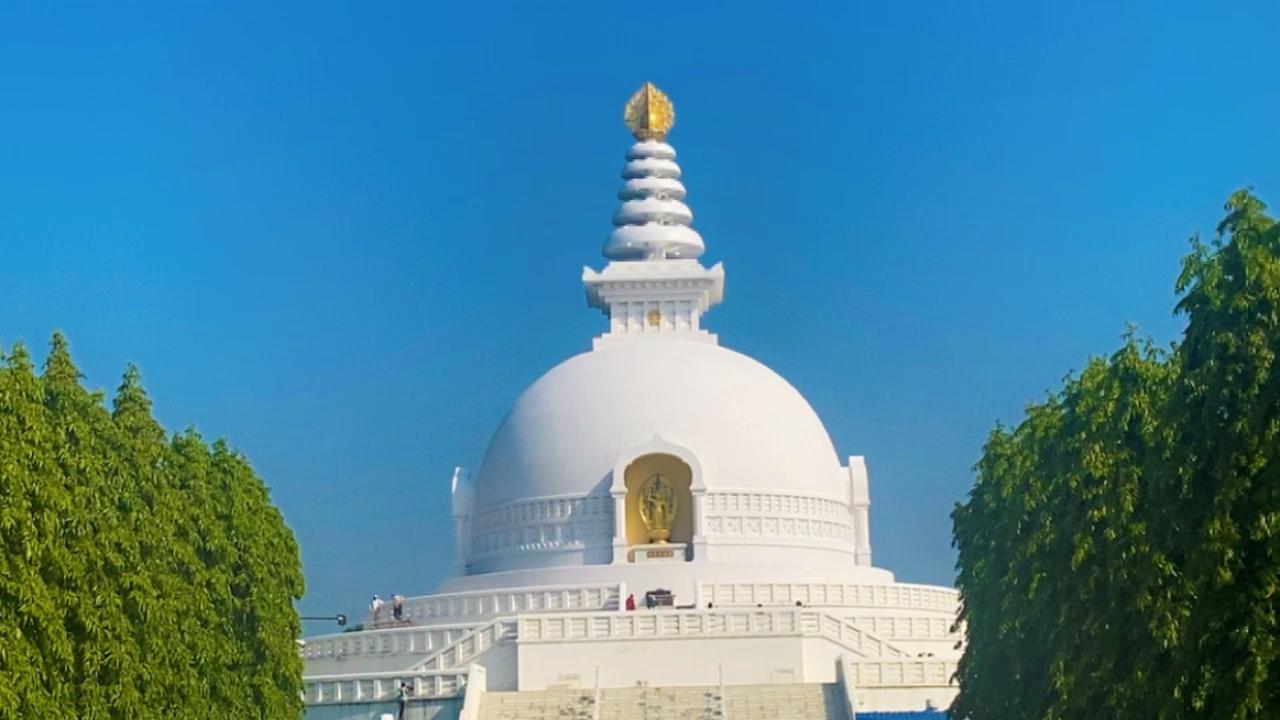
The Japan Peace Pagoda, also known as the World Peace Pagoda, is one of Lumbini's recognizable landmarks. The white stupa was built through Japanese Buddhist involvement and is approximately 41 metres tall.
Its design emphasizes peace and Buddhist symbolism, with Buddha images positioned around the structure. The pagoda provides a scenic stop during a visit to the wider Lumbini area and complements the smaller architectural details found at individual monasteries.
Visitors can admire the monument, photograph it where permitted, and enjoy the surrounding setting. Include it in your itinerary alongside the Sacred Garden and international monastic zone, while checking local transport and access arrangements.
8. Other International Monasteries
Lumbini also contains Buddhist temples and monasteries connected with other countries, including Vietnam, Mongolia, Sri Lanka, and France. Together, these establishments demonstrate the international character of the pilgrimage center.
Each site has its own architectural style, artwork, and religious atmosphere. Some feature traditional pagoda forms, while others incorporate modern design or decorative elements associated with their national Buddhist traditions.
Rather than trying to visit every monastery in a short period, choose several that interest you and allow enough time to appreciate them. If you are particularly interested in Buddhist architecture, consider arranging a guide who can explain the differences among the traditions represented in Lumbini.
Sacred Buddhist Sites in Lumbini
Although the monasteries are a major attraction, the Sacred Garden contains the most important archaeological and religious landmarks connected with the Buddha's birthplace.
1. Maya Devi Temple
Maya Devi Temple is the central sacred site in Lumbini. It marks the location traditionally identified as the birthplace of Siddhartha Gautama. The temple contains archaeological remains and a marker stone associated with the birth site.
Pilgrims visit to pray, pay their respects, and reflect on the Buddha's life and teachings. The archaeological setting also makes the temple important for historians and researchers studying the development of early Buddhist pilgrimage centers.
Visitors should remove their shoes before entering the designated temple premises, dress respectfully, and follow instructions from site authorities. Food and drinks should be left outside the temple area where required. Photography rules may differ between locations, so check signs before taking pictures.
2. Ashoka Pillar
The Ashoka Pillar is a major historical landmark within the Sacred Garden. It was erected by Mauryan Emperor Ashoka during his pilgrimage to Lumbini in the third century BCE. Its inscription provides important historical evidence identifying the site with the Buddha's birthplace.
The pillar is significant because it connects Buddhist pilgrimage traditions with the history of the Mauryan Empire. It also forms part of the archaeological evidence supporting Lumbini's international heritage status.
Visitors can see the pillar while exploring Maya Devi Temple and the surrounding archaeological remains. Protecting the monument is essential, so do not touch, climb, or interfere with its structure.
3. Puskarni Sacred Pond
Puskarni Pond lies near Maya Devi Temple and is traditionally associated with Queen Maya Devi and the events surrounding the Buddha's birth. It is an important feature of the sacred landscape and is often included in the same visit as the temple and Ashoka Pillar.
The pond contributes to the historical and spiritual character of the Sacred Garden. Visitors can observe the surroundings and learn about the traditions connected with the site.
As this is a protected religious and heritage area, visitors should remain within designated paths and avoid littering or disturbing the water. Allow time to explore the pond and nearby landmarks as part of a relaxed pilgrimage walk.
4. Sacred Garden
The Sacred Garden forms the spiritual heart of Lumbini. It brings together Maya Devi Temple, the Ashoka Pillar, Puskarni Pond, and archaeological remains associated with the site's history as a Buddhist pilgrimage destination.
Walking through the garden provides time for reflection and an opportunity to understand the relationship between the individual monuments. Many visitors spend time in quiet contemplation, observe pilgrims performing religious activities, or learn about the site's historical significance.
The area is best explored at a comfortable pace. Wear suitable walking shoes for the wider complex, carry water in warm weather, and follow footwear requirements near sacred buildings.
5. Lumbini Museum
Lumbini Museum provides additional historical and cultural context for the region. Its collections and exhibitions have focused on Buddhist heritage, archaeological discoveries, and objects related to the history of the wider area.
A museum visit can help explain the significance of the monuments encountered during the pilgrimage. It is particularly useful for students, history enthusiasts, and visitors who want a deeper understanding of archaeological research and the development of Buddhist communities.
Museum opening schedules and access arrangements can change. Confirm current information before including the museum in your itinerary.
6. Lumbini International Research Institute
The Lumbini International Research Institute supports scholarly study related to Buddhism, religion, archaeology, and the cultural history of the region. Its research-oriented role makes it relevant for academic visitors and travelers with a strong interest in Buddhist studies.
It is not necessarily a conventional sightseeing attraction, and access to research facilities or collections may be limited. If you are visiting for academic purposes, check in advance whether consultations, library access, or other arrangements are available.
Including research institutions in a broader study-focused trip can help connect the physical pilgrimage sites with the scholarship that investigates their history.
Buddhist Heritage Sites Near Lumbini
Travelers with additional time can extend their visit beyond the main pilgrimage complex. The wider region contains archaeological locations associated with early Buddhist history, the ancient Shakya kingdom, and the development of Buddhist pilgrimage traditions.
Historical identifications and interpretations can differ, so use reputable guides and official heritage information when learning about the sites.

1. Tilaurakot: Ancient Kapilavastu
Tilaurakot is an important archaeological site traditionally identified with ancient Kapilavastu, the capital of the Shakya kingdom. Buddhist tradition associates the area with Siddhartha Gautama's early life before he left his princely household.
The site contains the remains of an ancient settlement, including archaeological features connected with its historic urban layout. It offers a different experience from the active religious atmosphere of Lumbini because the emphasis is on archaeology, landscape, and historical interpretation.
Tilaurakot is located outside the main Lumbini complex, so arrange transport and allow extra time. A knowledgeable guide can help explain the archaeological remains and the site's significance within the broader Buddhist heritage circuit.
2. Kudan
Kudan is another archaeological location associated with Buddhist history in the wider Lumbini region. Buddhist tradition connects the site with an encounter between the Buddha and his father, King Suddhodana, after the Buddha's enlightenment.
Visitors interested in the Buddha's life and the history of the Shakya community may find Kudan a useful addition to a regional heritage itinerary. The site is generally quieter than the main Sacred Garden, although facilities and visitor arrangements may be limited.
Plan your visit with a suitable vehicle or local guide, and confirm road access before departure. Respect the archaeological remains and avoid entering restricted areas.
3. Ramagrama Stupa
Ramagrama Stupa is an important Buddhist pilgrimage site traditionally associated with one of the stupas that received a share of the Buddha's relics. It is especially significant for travelers interested in Buddhist relic traditions and the history of early stupas.
Unlike Lumbini's large international monastic area, Ramagrama offers a more focused heritage experience. Visitors can learn about the religious traditions connected with the site and appreciate its place within the wider Buddhist pilgrimage landscape.
The journey requires additional planning, so check transportation, access, and available facilities in advance. Consider visiting with a guide who can explain the site's historical and religious importance.
4. Niglihawa and Gothihawa
Niglihawa and Gothihawa are archaeological sites in the wider Kapilavastu region associated with early Buddhist history and Ashokan-era heritage. They are relevant to travelers seeking a more comprehensive understanding of the ancient Buddhist landscape around Lumbini.
These sites may have fewer visitor services than the main pilgrimage complex. A planned excursion with local transport and reliable historical information is therefore helpful.
If you include them in your itinerary, allow enough time for travel between locations and avoid treating the sites as quick photo stops. Their value lies in the archaeological context and the connections they offer to the wider history of Buddhism.
Lumbini Buddhist Tour Itinerary
The ideal itinerary depends on whether your main interest is pilgrimage, monastery architecture, meditation, or archaeological exploration.
One-Day Lumbini Buddhist Tour
A one-day visit is suitable for travelers already staying in Lumbini or nearby Bhairahawa.
Morning
Visit Maya Devi Temple.
Explore the Ashoka Pillar and Puskarni Pond.
Walk through the Sacred Garden and learn about its historical significance.
Midday
Take a lunch break.
Visit selected international monasteries, choosing sites according to opening arrangements and your interests.
Afternoon
Explore additional monasteries and the Japan Peace Pagoda.
Visit Lumbini Museum if it is open and time permits.
Return to your hotel or continue your journey.
This itinerary covers the principal landmarks, but it may not allow time to explore every monastery or archaeological site.
Two-Day Lumbini Monastery Tour
Day 1: Sacred Garden and Major Landmarks
Begin with Maya Devi Temple, the Ashoka Pillar, and Puskarni Pond. Spend time exploring the Sacred Garden and learning about Lumbini's historical and religious importance. In the afternoon, visit selected monasteries in the international zone. Keep the schedule flexible to allow for prayer, meditation, and rest.
Day 2: International Monasteries and Cultural Sites
Continue exploring the monasteries you missed on the first day. Visit the Japan Peace Pagoda and Lumbini Museum if access and opening hours permit. If you prefer a slower pace, spend additional time at selected monasteries rather than trying to visit every building.
This option suits travelers who want a deeper understanding of Buddhist architecture and religious traditions without adding long excursions outside Lumbini.
Three-Day Lumbini Buddhist Heritage Tour
Day 1: Birthplace of Buddha
Explore Maya Devi Temple, the Ashoka Pillar, Puskarni Pond, and the Sacred Garden. Learn about the site's archaeological importance and spend time observing religious practices respectfully.
Day 2: Monasteries and Buddhist Traditions
Visit international monasteries representing different national communities. Compare architectural styles, learn about their religious backgrounds, and include the Japan Peace Pagoda. Visit the museum if it is open.
Day 3: Archaeological Buddhist Circuit
Arrange an excursion to Tilaurakot and Kudan, or choose Ramagrama Stupa depending on your interests and transport arrangements. Visiting every regional site in one day may be impractical, so choose a realistic route.
A three-day trip allows a more balanced experience of sacred landmarks, international Buddhist architecture, and regional archaeology.
Lumbini Buddhist Tour Cost
The cost of a Buddhist pilgrimage in Lumbini depends on your starting point, travel duration, transport, accommodation, meals, guide services, and excursions outside the main complex.
A local day visit will generally require a smaller budget than a multi-day trip from Kathmandu with private transport and regional archaeological visits. Because rates and entrance arrangements can change, confirm current fees before departure rather than relying on old package prices.
Expense | What affects the cost |
Long-distance transport | Bus fares, private vehicle hire, or flights to Bhairahawa |
Local transportation | Taxi, rickshaw, bicycle, or private vehicle |
Accommodation | Guesthouse, budget hotel, mid-range hotel, or higher-category property |
Meals | Restaurant choice, meal plan, and length of stay |
Site fees | Current conservation or entry charges and any separate museum fees |
Guide services | General sightseeing guide or specialist in Buddhist history |
Regional excursions | Vehicle hire and travel to Tilaurakot, Kudan, Ramagrama, or other sites |
Personal expenses | Donations, souvenirs, and optional services |
How to Plan Your Budget
Choose public transport if you have sufficient time and want to reduce travel expenses.
Compare accommodation in Lumbini and nearby Bhairahawa.
Consider sharing a private vehicle with other travelers.
Group nearby attractions together to reduce unnecessary transfers.
Ask tour operators to clarify whether fuel, driver costs, meals, and accommodation are included.
Check official visitor fees before booking.
The Lumbini Development Trust publishes visitor guidance and entry information. Its published details and other tourism listings may not always be updated at the same time, so confirm the current rate directly before your visit.
How to Reach Lumbini

By Road from Kathmandu
Travelers can reach Lumbini by tourist bus, public bus, or private vehicle. The journey from Kathmandu is long, and travel time depends on traffic, road conditions, stops, and the chosen route.
A bus can be economical, while a private vehicle provides greater flexibility for rest stops and onward travel. If you plan to visit several archaeological sites outside Lumbini, a private vehicle may simplify the logistics.
Check departure schedules and road conditions before beginning the journey, and avoid planning a tight sightseeing schedule immediately after a long drive.
By Air via Bhairahawa
Bhairahawa, also known as Siddharthanagar, is a convenient gateway for visitors arriving by air. From Bhairahawa, travelers can arrange a taxi or local transport to Lumbini. Nepal Tourism Board identifies Lumbini as approximately 22 kilometres from Bhairahawa, although actual travel time depends on the pickup point and road conditions.
Confirm flight schedules before arranging connecting transport. If you arrive late in the day, consider staying overnight in Bhairahawa or arranging a confirmed transfer.
By Private Vehicle
A private car or van is convenient for families, small groups, and travelers planning to visit multiple monasteries or regional archaeological sites. It allows greater control over departure times and the length of each stop.
When booking, confirm whether the quoted amount includes fuel, driver expenses, parking, waiting time, and travel to destinations outside Lumbini. For multi-day tours, clarify the driver's accommodation and other overnight expenses.
Best Time to Visit Lumbini for Buddhist Travel
The best time to visit Lumbini for Buddhist travel is generally during autumn (September–November) and winter (December–February), when daytime conditions are often more comfortable for exploring monasteries, sacred temples, and archaeological sites. Autumn typically brings improving weather after the monsoon, while winter offers suitable opportunities for outdoor sightseeing. However, early mornings and evenings can be cold or foggy, so carrying warm clothing is advisable.
Spring (March–May) is another suitable period for visiting Lumbini's Buddhist landmarks and international monasteries. Temperatures can rise significantly toward late spring, making early-morning sightseeing more comfortable. The monsoon season (June–August) brings higher humidity and rainfall, which can affect walking conditions and road access to nearby archaeological destinations. Travelers visiting during these months should check weather forecasts and local transport conditions before planning excursions.
If you plan to attend Buddha Jayanti or another Buddhist religious celebration, check the festival dates and official programs for your travel year. These occasions can attract additional pilgrims and visitors, so accommodation and transportation may be busier than usual. Booking ahead, wearing comfortable clothing, carrying drinking water, and allowing enough time to explore the sacred sites can help make your Lumbini pilgrimage more enjoyable.
Where to Stay During a Lumbini Buddhist Tour
Accommodation is available in Lumbini and nearby Bhairahawa. The best location depends on your schedule, budget, and transport arrangements.
Budget guesthouses: Suitable for pilgrims who prioritize practical accommodation and spend most of their time exploring the sacred sites.
Mid-range hotels: A useful option for travelers seeking private rooms, dining facilities, and convenient transport arrangements.
Higher-category hotels: These may provide additional amenities, more spacious rooms, and a wider choice of services.
Group accommodation: Pilgrimage groups should check room capacity, meal arrangements, transport, and accessibility before confirming a booking.
Staying close to the main pilgrimage area can reduce daily travel time. Bhairahawa may provide additional choices depending on your travel dates. Check recent reviews, location, cancellation terms, and available facilities before booking.
Practical Tips for Visiting Lumbini's Monasteries and Sacred Sites
Dress modestly: Choose respectful clothing for temples and active monasteries.
Remove footwear where required: Follow signs and instructions at Maya Devi Temple and other sacred spaces.
Respect worshippers: Keep noise low and avoid interrupting prayers or meditation.
Ask before taking photographs: Some religious areas and monastery interiors may have restrictions.
Carry drinking water: The Terai climate can be hot, particularly during spring and summer.
Wear comfortable shoes: The wider complex requires walking between attractions.
Check monastery access: Opening arrangements may vary according to religious activities and local rules.
Arrange transport for regional sites: Locations such as Tilaurakot and Ramagrama are outside the main complex.
Carry payment options: Confirm accepted payment methods for current fees and local services.
Allow enough time: A meaningful pilgrimage is easier to enjoy when the itinerary is not rushed.
Protect archaeological remains: Do not climb, touch, or remove objects from heritage structures.
Check official information: Verify fees, opening schedules, and transport arrangements before traveling.
Responsible Buddhist Tourism in Lumbini
Lumbini is both a living religious destination and a protected archaeological site. Visitors can help preserve its importance by respecting religious practices, protecting historic structures, and minimizing their environmental impact.
Follow designated paths, dispose of waste responsibly, and avoid disturbing wildlife or the surrounding landscape. Ask permission before photographing monks, nuns, pilgrims, or other individuals. Be considerate when entering monasteries, where daily religious activities may take priority over tourism.
Support local businesses respectfully and follow the guidance of site authorities. If visiting archaeological sites beyond Lumbini, remember that ruins and artifacts require careful protection. Responsible travel helps preserve the cultural and historical value of this important Buddhist destination.

Conclusion
A Lumbini Buddhist tour offers a valuable opportunity to explore the birthplace traditionally associated with Buddha, discover international monasteries, and understand the historical development of Buddhist pilgrimage. From Maya Devi Temple and the Ashoka Pillar to the distinctive architecture of the international monastic zone, each visit adds another perspective on the region's religious and cultural significance.
Travelers with more time can extend their itinerary to Tilaurakot, Kudan, Ramagrama, and other archaeological sites associated with early Buddhist history. Plan your route according to your interests, check current visitor information, and allow enough time to experience the sacred sites respectfully.
With thoughtful preparation, Lumbini can be a rewarding destination for pilgrims, cultural travelers, and anyone interested in Buddhism's history and heritage.
Nepal Recreation
Travel specialist sharing firsthand stories, comprehensive trekking guides, and expert advice to help you plan your Himalayan adventures.