Is Manaslu Circuit Trek Suitable For First-Time Trekkers?
The Manaslu Circuit Trek is one of the most beautiful trekking routes in Nepal. It takes trekkers around Mount Manaslu, the eighth-highest mountain in the world at 8,163 meters. The trail passes through small villages, green forests, rivers, suspension bridges, and high mountain passes. In recent years, many travelers have started choosing the Manaslu Circuit Trek because it is quieter and less crowded than the Everest and Annapurna regions. The trek gives people a chance to enjoy the peaceful nature and the local culture at the same time.
Many first-time trekkers often ask if the Manaslu Circuit Trek is too difficult for beginners. The answer depends on fitness, preparation, and mindset. This trek is not the easiest in Nepal, but it is not only for expert hikers. A healthy person with basic training, strength, and enough time to adjust to the altitude can complete the trek successfully. Most trekking days include walking for six to eight hours on mountain trails. Some parts are steep and challenging, especially near the famous Larke Pass at 5,106 meters.
One reason the Manaslu Circuit Trek is special is the mix of natural beauty and cultural experience. Trekkers pass through traditional Gurung and Tibetan villages where local people still follow old customs and Buddhist traditions. Prayer flags, monasteries, mani walls, and mountain landscapes make the journey feel peaceful and unforgettable. Unlike crowded trekking routes, Manaslu still feels remote and natural. Many beginners enjoy this quiet environment because it gives them time to walk slowly and fully enjoy the journey.
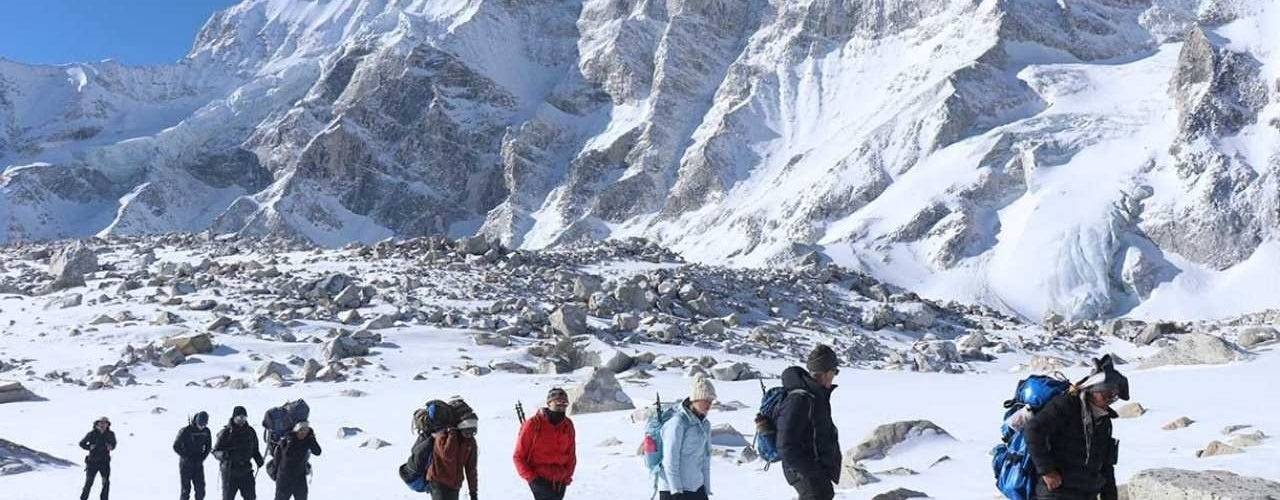
Choosing the Manaslu Circuit Trek as a first trekking adventure can feel scary at first, but good planning makes a big difference. Proper fitness training, warm clothing, a guide, and slow walking help beginners to complete the trek safely. The trek usually takes around fourteen to eighteen days, depending on the itinerary and acclimatization schedule. During the journey, the trekkers can see snow-covered mountains, beautiful waterfalls, deep valleys, and peaceful villages every single day. These unforgettable views make the hard walking feel completely worth it. With the right preparation and positive attitude, first-time trekkers can enjoy one of the most rewarding trekking experiences in Nepal while creating memories that last for many years ahead.
How Difficult Is the Manaslu Circuit Trek for Beginners?
The Manaslu Circuit Trek is considered a moderately difficult trek in Nepal. For first-time trekkers, the journey can feel challenging, but it is still possible with good preparation and a positive attitude. The trail includes many uphill and downhill paths, rocky sections, forest trails, and long walking days. Most trekkers walk between six and eight hours each day. Some days are easier, while others require more effort because of steep climbs and changing weather conditions in the mountains throughout different parts of the trail.
One of the biggest challenges during the Manaslu Circuit Trek is the high altitude. As trekkers climb higher, the air becomes thinner, and breathing can feel harder. The most difficult part is crossing the Larke Pass, which stands at 5,106 meters above sea level. Trekkers usually wake up very early on this day because crossing the pass can take eight to ten hours. Snow, cold wind, and icy trails can make this section more difficult for beginners. Guides carefully manage the pace to help trekkers stay safe and comfortable during the crossing.

The good news is that the Manaslu Circuit Trek does not require technical climbing skills. Beginners do not need ropes, ice axes, or mountaineering experience. A person with average fitness can complete the trek if they train before the trip. Walking regularly, climbing stairs, and doing simple cardio exercises can improve stamina. Mental strength is also important because some days feel tiring and remote. Staying patient, walking slowly, drinking enough water, and taking proper rest can make the journey much easier for first-time trekkers during the entire trekking experience in the Himalayas.
Compared to the Everest Base Camp, the Manaslu Circuit Trek is quieter and less crowded, which many beginners enjoy. The peaceful trails allow trekkers to walk at their own pace without feeling rushed. Although the trek is physically demanding, many first-time trekkers complete it successfully every year. With proper acclimatization, a good guide, and steady preparation, beginners can safely enjoy these beautiful Himalayan adventures and gain confidence during their first major trekking experience in Nepal successfully without unnecessary fear or pressure during the journey.
Explore More: Everest Base Camp Trek with Helicopter Return– Conquer the Trail. Celebrate from the Sky
Fitness and Preparation Needed for First-Time Trekkers
Good fitness and proper preparation are very important before starting the Manaslu Circuit Trek. Many first-time trekkers worry that they are not strong enough for the journey, but the trek does not require the body of an athlete. A healthy person with average fitness can complete the trek with training and patience. Since trekkers walk for many hours each day on mountain trails, the body needs strength, balance, and stamina. Preparing early also helps beginners feel more confident before reaching the mountains of Nepal safely and without unnecessary stress or fear.
The best way to prepare for the Manaslu Circuit Trek is by doing regular physical exercise at least two or three months before the trip. Walking every day, climbing stairs, hiking small hills, jogging, cycling, and swimming are helpful activities. Cardio exercises improve breathing and stamina, which are important at high altitudes. Strength training for the legs and back also helps because trekkers carry daypacks during the journey. Beginners should slowly increase walking distance each week instead of pushing the body too hard at once before the trek begins, so the body adapts naturally and safely over time.
Mental preparation is just as important as physical fitness during the Manaslu Circuit Trek. Some days feel tiring because of long walking hours, cold weather, or basic facilities in remote villages. Beginners sometimes expect luxury hotels and smooth roads, but mountain trekking is much simpler. Staying calm, positive, and flexible makes the experience more enjoyable. Trekkers should also learn about altitude sickness, weather changes, and trail conditions before the trip. Understanding these challenges early helps first-time trekkers avoid fear and handle difficult situations with greater confidence during the adventure in the Himalayas and remote mountain regions.
Packing the right equipment also plays a big role in successful trekking. Warm clothes, strong hiking boots, gloves, trekking poles, and sleeping bags are necessary for comfort and safety. Many beginners make mistakes by carrying too much weight in their backpacks. Packing only useful items makes walking easier and less stressful. With regular exercise, careful planning, and the right mindset, first-time trekkers can prepare themselves properly for the Manaslu Circuit Trek. Travelers can enjoy an unforgettable mountain adventure in Nepal with greater comfort, safety, confidence, and lasting happiness throughout the journey and experience.
Best Time to Do the Manaslu Circuit Trek
The Manaslu Circuit Trek can be done in different seasons, but the experience changes a lot depending on the weather. For first-time trekkers, choosing the right time is very important because it affects safety, comfort, and mountain views. Good weather makes walking easier, while bad weather can make trails slippery and difficult. The best trekking seasons in Nepal are spring and autumn when conditions are stable, and the Himalayas look clear and beautiful.

Spring Season (March to May): Spring is one of the best times for the Manaslu Circuit Trek. The weather is warm during the day and cool at night, which makes walking comfortable. The hills and forests become green, and rhododendron flowers bloom everywhere. This season is also great for photography because the sky is usually clear. Beginners enjoy spring because the trail is alive with natural beauty, and there is less chance of extreme cold or heavy snow compared to winter.
Autumn Season (September to November): Autumn is considered the most stable season for trekking in Nepal. After the monsoon ends, the air becomes fresh and clear, giving excellent views of Mount Manaslu and the surrounding peaks. The temperature is neither too hot nor too cold, making long walking days easier for beginners. Festivals like Dashain and Tihar also happen during this time, so trekkers can see local culture closely. This season is highly recommended for first-time trekkers.
Winter Season (December to February): Winter is a cold and challenging time for the Manaslu Circuit Trek. Heavy snowfall can block high passes, especially the Larke Pass. Temperatures drop far below freezing at higher altitudes, making trekking difficult for beginners. Some tea houses may also close due to harsh weather. Only experienced trekkers usually choose winter, so it is not ideal for first-time trekkers who want a safe and comfortable journey.
Monsoon Season (June to August): Monsoon brings heavy rain to the Manaslu region. Trails become muddy, slippery, and sometimes dangerous due to landslides. Leeches are also common in lower forest areas, which can make walking uncomfortable. Clouds often block mountain views, reducing visibility. Because of these challenges, the monsoon is not recommended for beginners. However, the region becomes very green and quiet during this time.
For first-time trekkers, spring and autumn are the safest and most enjoyable times for the Manaslu Circuit Trek. These seasons offer clear weather, better trail conditions, and amazing mountain views. Choosing the right time helps beginners to enjoy the journey more, stay safe, and experience the true beauty of the Himalayas without unnecessary difficulty or risk during their adventure in Nepal.
Also Read: Short Annapurna Circuit Trek With Tilicho Lake: Annapurna’s Best, Packed into One Epic Trek
Food, Accommodation, and Facilities on the Trek
Food and accommodation on Manaslu Circuit Trek are simple but good enough for first-time trekkers. The region is remote, so you will not find luxury hotels or big restaurants. Instead, trekkers stay in small tea houses run by local families. These teahouses provide basic rooms, usually with twin beds, a mattress, a blanket, and sometimes a pillow. Bathrooms are mostly shared, and hot showers may cost extra in higher villages. Even though facilities are simple, they are warm and friendly, which makes the stay comfortable after long walking days in the mountains.
Food on the Manaslu Circuit Trek is mostly fresh, homemade, and filling. The most common meal is Dal bhat, which includes rice, lentil soup, vegetables, and pickles. It is very popular because it gives long-lasting energy for trekking. Other options include noodles, fried rice, potatoes, eggs, soups, and simple bread items. In lower villages, the menu is more varied, but as you go higher, the choices become limited. Still, it is good enough to keep trekkers strong and active throughout the journey in the Himalayas.
Drinking water is available in most villages, but it is important to use purification tablets or filters for safety. Bottled water is also available, but it becomes more expensive at higher altitudes. Internet and charging facilities exist in many tea houses, but they may cost extra and can be slow or unreliable. Electricity is usually solar-powered in remote areas, so power cuts are common. First-time trekkers should not expect fast services, but basic needs are usually well managed by local hosts along the trail.
Compared to popular routes like Everest and Annapurna, the Manaslu region is more remote and less developed. This makes the experience more natural and peaceful but also more basic. Trekkers should be ready for simple living conditions and limited comfort. However, the kindness of local people and warm hospitality make the journey enjoyable. For beginners, understanding these conditions before the trek helps to reduce stress and makes the experience more positive and realistic.
Overall, food and accommodation on the Manaslu Circuit Trek are simple but sufficient for a safe and successful journey. With the right mindset, first-time trekkers can easily adjust to the basic facilities and enjoy the natural beauty, culture, and peaceful mountain environment of this unforgettable trekking route in Nepal with comfort and satisfaction.
Safety on the Manaslu Circuit Trek
Safety is one of the most important parts of the Manaslu Circuit Trek, especially for first-time trekkers. The trail goes through remote mountain areas where hospitals and quick rescue services are limited. Because of this, trekkers must understand basic safety rules before starting the journey. With good preparation, slow walking, and careful planning, the trek becomes much safer and more enjoyable in the Himalayas of Nepal.

Follow Altitude Rules Carefully: Altitude sickness is the biggest safety concern on the Manaslu Circuit Trek. As you go above 3,000 meters, the air becomes thinner. Symptoms like headache, dizziness, nausea, seasickness, and tiredness can happen. The best safety rule is to ascend slowly and not rush. Taking proper acclimatization days helps the body adjust to high altitude and reduces serious health risks during the trek.
Walk Slowly and Stay Hydrated: Walking too fast is dangerous in high mountains. First-time trekkers should always walk at a steady and slow pace. Drinking enough water is also very important because dehydration increases altitude sickness risks. A simple rule is to drink small amounts of water regularly throughout the day instead of waiting until you feel thirsty on the trail.
Trek With a Licensed Guide: A licensed guide is not only required in the Manaslu region but also very helpful for safety. Guides understand the trail, weather changes, and safe resting points. They can help in emergencies and communicate with locals. For beginners, trekking with a guide reduces confusion and makes the journey more organized and safe.
Prepare for Weather Changes: Weather in the Himalayas can change very quickly. Sunny mornings can turn into cold or windy afternoons. Trekkers should always carry warm clothes, rain protection, and extra layers. Checking weather updates when possible and being ready for sudden changes helps to prevent discomfort and risky situations during the trek.
Carry Basic Health and Emergency Items: Every trekker should carry a small first aid kit with basic medicines, bandages, and altitude sickness tablets if advised by a doctor. A flashlight, a power bank, and emergency contact information are also important. These small items can be very helpful in remote areas where supplies are limited.
Safety on the Manaslu Circuit Trek depends on awareness, preparation, and smart decisions. By following simple rules like walking slowly, respecting altitude limits, trekking with a guide, and staying prepared for weather changes, first-time trekkers can enjoy a safe and successful journey. With the right care, the trek becomes a beautiful and unforgettable adventure in the Himalayas of Nepal.
Continue Reading: Short Nepal and Bhutan Combined Tour– Two Himalayan Kingdoms. One Unforgettable Journey
Cost, Permits, and Trekking Logistics for Beginners
The Manaslu Circuit Trek requires proper planning, especially for first-time trekkers. Since it is a restricted area in Nepal, there are specific permits, rules, and costs involved. Understanding the total budget, permits, and travel logistics helps beginners avoid confusion and enjoy a smooth trekking experience in the Himalayas without stress or last-minute problems during the journey.

Required Permits for Manaslu Trek: To complete the Manaslu Circuit Trek, trekkers need four main permits: the Restricted Area Permit (RAP), the Manaslu Conservation Area Permit (MCAP), the Chumnubri Rural Municipality Entry Permit, and the Annapurna Conservation Area Permit (ACAP). The restricted area permit is mandatory because the region is controlled for safety and environmental protection. These permits must be arranged through a registered trekking agency, and solo trekking is not allowed in this region under Nepal’s trekking rules.
Permit Cost (Real Prices): Permit costs vary depending on the season and duration. On average, a restricted area permit costs around USD 100 per person for the first 7 days during peak season and about USD 15 per extra day. MCAP and ACAP each cost around USD 30 per person. So the total permit cost for beginners usually falls between USD 160 and 200, depending on trek length and timing.
Guide and Porters’ Expenses: Hiring a licensed guide is compulsory for the Manaslu region. Guides usually cost around USD 25 to 35 per day. A porter costs around USD 20 to 25 per day if you choose to hire one. For beginners, hiring a porter is highly recommended because it reduces physical stress and helps you to enjoy the trek more comfortably on long walking days.
Food and Accommodation Costs: Daily expenses include food and teahouse accommodation. Meals such as Dal Bhat, noodles, and soups usually cost between USD 5 and 10 per meal, depending on altitude. Accommodation costs around USD 5 to 10 per night. As you go higher, prices increase slightly because everything is carried manually to remote villages. On average, beginners spend USD 25 to 40 per day on food and lodging.
Transportation Costs: The trek usually starts from Soti Khola or Machha Khola. A local bus from Kathmandu costs around USD 10 to 15, while a private Jeep can cost between USD 150 and 250 depending on group size. Road conditions are rough, so jeep travel is more comfortable but expensive. This cost should be included in the total trekking budget.
The Manaslu Circuit Trek requires careful budgeting and proper ok permit arrangements. For first-time trekkers, the total cost usually ranges between USD 900 and 1,500 depending on services, group size, and comfort level. With proper planning, clear budgeting, and support from a trekking agency, beginners can enjoy a safe, well-organized, and unforgettable Himalayan adventure in Nepal.
Nepal Recreation
Travel specialist sharing firsthand stories, comprehensive trekking guides, and expert advice to help you plan your Himalayan adventures.