Trekking in Nepal Without Prior Experience: What to Expect?
Nepal is a dream destination for many people around the world who love trekking and adventure. The country is famous for its snowy mountains, peaceful villages, green hills, rivers, forests, and beautiful trekking trails. Many people believe trekking in Nepal is only for experienced hikers, but beginners can also enjoy it safely. Every year, thousands of first-time trekkers visit Nepal to explore the Himalayas and experience mountain life. With basic preparation, simple fitness, and a positive attitude, beginners can complete many easy and moderate trekking routes without serious difficulty.
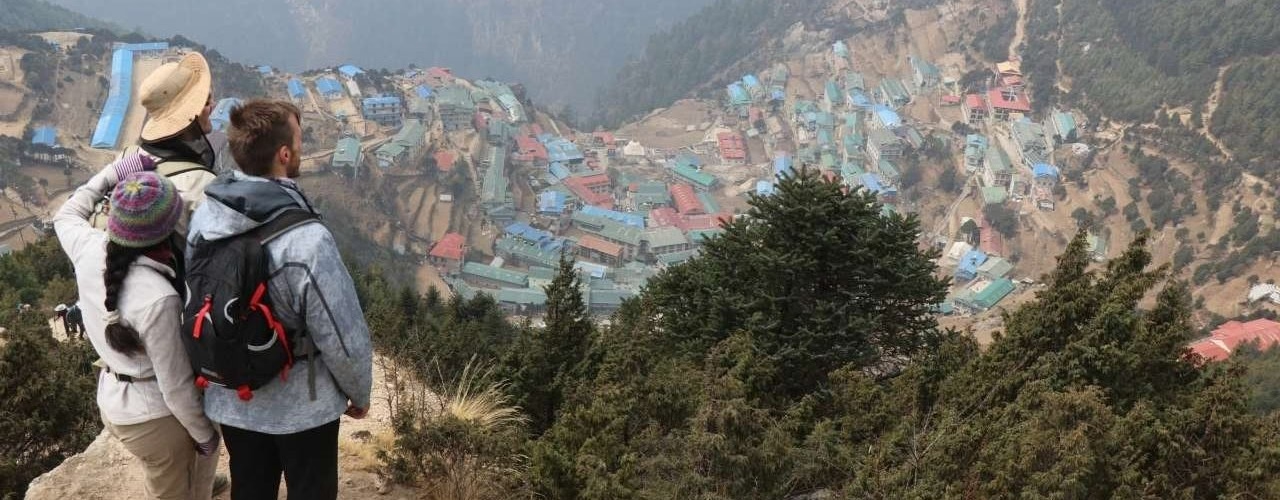
One special part of trekking in Nepal is the chance to enjoy both nature and local culture together. Trekkers walk through small villages, cross suspension bridges, and pass farms, waterfalls, and forests during the journey. Local people on the trails are usually kind, welcoming, and helpful to visitors. Most trekking routes also have tea houses where trekkers can eat meals, sleep, rest, and meet other travelers. These tea houses make hiking easier because beginners do not need to carry heavy camping equipment during the trek.
For many travelers, trekking in Nepal becomes a life-changing experience filled with adventure, learning, time, and unforgettable memories. Watching the sunrise over snowy mountains and enjoying peaceful surroundings creates a special feeling that is difficult to forget. Even without prior trekking experience, beginners can enjoy a safe and rewarding journey in Nepal by choosing the right trekking route and preparing properly before the adventure begins. Many first-time trekkers return to Nepal again because the mountains, fresh air, and simple lifestyle give them confidence, happiness, peace, and a deeper connection with nature after completing their journey.
Best Easy Treks for Beginners
Nepal has many easy trekking routes that are perfect for beginners without prior trekking experience. These treks offer beautiful mountain scenery, local culture, forests, rivers, and comfortable tea house accommodation. Most trekking in Nepal for beginners does not require technical climbing skills or expensive equipment. The walking trails are generally safe and well-marked at all times, making them suitable for families, solo travelers, and older trekkers. Choosing an easy trekking route helps beginners to enjoy the journey without too much physical stress or fear during the adventure.

Ghorepani Poon Hill Trek
This is one of the most famous beginner treks in Nepal. The trek usually takes four to five days. It covers around 40 kilometers. The highest altitude is about 3,210 meters at Poon Hill. Trekkers enjoy sunrise views over the Annapurna and Dhaulagiri mountains, beautiful rhododendron forests, and traditional Gurung villages. The trails are well-maintained and suitable for beginners with basic fitness.
Mardi Himal Trek
The Mardi Himal Trek is a peaceful and less crowded trekking route in the Annapurna region. The trek distance is around 45 kilometers. The trek usually takes five to seven days to complete. The highest point is the Mardi Himal Viewpoint at 4,500 meters. Trekkers enjoy close mountain views, quiet forests, and simple tea houses during the journey. Slow walking and proper rest are important because of the higher altitude.
Langtang Valley Trek
This trek is perfect for beginners who want mountain scenery and a cultural experience together. The Trek covers about 65 kilometers. It takes around seven to nine days to complete. The highest altitude is around 3,870 meters at Kyanjin Gompa. Trekkers pass forests, rivers, yak pastures, and Tamang villages while enjoying the snowy peaks.
Everest View Trek
This short Everest region trek covers about 30 kilometers. It usually takes around five to seven days. The highest altitude is about 3,880 meters at Hotel Everest View. Trekkers enjoy Sherpa culture, monasteries, suspension bridges, and views of Mount Everest without trekking to Everest Base Camp.
These beginner treks help first-time trekkers to enjoy Nepal safely while experiencing beautiful Himalayan landscapes, local culture, and unforgettable mountain adventures with confidence and comfort. Many beginners complete these routes successfully every year and later feel motivated to try longer trekking adventures in the future.
How Fit Do You Need to Be?
Many people think they must be extremely fit before trekking in Nepal, but beginner treks usually do not require professional training or athletic experience. Most easy and moderate trekking routes are suitable for people with normal health and basic physical fitness. Beginners who can walk for several hours comfortably and stay active during the day can complete many popular treks in Nepal. Trekking is more about patience, slow walking, and mental strength than speed or heavy exercise. People of different ages complete beginner treks every year with proper preparation and rest.
During treks in Nepal for beginners, trekkers usually walk between four and six hours each day. Some days may include steep uphill climbs, stone staircases, and uneven mountain paths. Walking at higher altitudes can also feel more difficult because the air becomes thinner. Beginners often feel tired during the first few days, but the body slowly adjusts to the trekking conditions. Taking regular breaks, drinking enough water, and walking at a comfortable pace help trekkers feel better and enjoy the journey more safely.

Simple exercise before trekking can make the experience much easier and more enjoyable. As a beginner, you should start preparing at least one or two months before the trek. Regular walking, jogging, cycling, stair climbing, and light stretching help improve stamina and leg strength. Carrying a small backpack during practice walks can also help the body to prepare for trekking conditions. Good sleep, healthy food, and proper hydration are equally important before starting a trek in Nepal.
Many beginners make mistakes by walking too fast, carrying very heavy bags, or ignoring signs of tiredness and altitude sickness. Some people also forget the importance of rest and acclimatization during high-altitude treks. Listening to the guide, walking slowly, and respecting the mountain environment are important for a successful trekking experience. Beginners do not need perfect fitness to enjoy trekking in Nepal. With preparation, patience, and a positive attitude, first-time trekkers can safely complete many beautiful Himalayan trails while building confidence, strength, unforgettable memories, and valuable outdoor experience during their adventure.
Continue Reading: Everest Base Camp- Gokyo Lake Trek With Cho La Pass– Everest’s Most Complete High-Altitude Experience
Food and Accomodation During the Trek
Food and accommodation are very important parts of your trekking experience in Nepal, especially if it is your first trek. When you walk through the mountains, you will not usually stay in hotels. Instead, you will spend your nights in tea houses, which are simple lodges run by local families. These tea houses give you a place to sleep, eat, relax, and meet other trekkers. Most rooms are basic with two beds, pillows, blankets, and shared bathrooms. The facilities may be simple, but they are usually comfortable enough for a good night’s rest after a long day of walking.
One of the most enjoyable parts of trekking is trying local mountain food. The most popular meal you will find is dal bhat, a traditional Nepali dish made of rice, lentil soup, vegetables, and pickles. Many trekkers choose dal bhat because it is filling and gives you plenty of energy for the trail. You can also find noodles, fried rice, pasta, potatoes, pancakes, eggs, soups, tea, and coffee in most tea houses. When moving in the mountains, food prices increase because supplies must be carried by porters or animals.
During the trek, you can usually get services such as hot showers, phone charging, drinking water, and internet access. However, these services often cost extra, especially at higher altitudes. Internet connection may be slow, and electricity can sometimes be limited. Carrying a reusable water bottle and a water purification method can help you to save money and reduce plastic waste. You should also pack warm clothes because mountain nights can become cold even during popular trekking seasons.
Your daily routine on the trek is usually simple. You will wake up early, enjoy breakfast, and start walking while the weather is clear. After several hours on the trail, you will stop for lunch before continuing to your next destination. By late afternoon, you will reach a tea house where you can rest, have dinner, and share stories with other trekkers. Although the facilities are basic, warm hospitality, home-cooked meals, and a peaceful mountain atmosphere often become some of your favorite memories from trekking in Nepal.
Weather, Altitude, and Trekking Challenges
Before you begin your trek in Nepal, it is important to understand the weather, altitude, and common challenges you may face on the trail. These factors can affect your comfort, energy, and overall trekking experience. The good news is that most problems can be managed with proper preparation and realistic expectations. Knowing what to expect helps you to feel more confident and enjoy your adventure safely.

Changing Mountain Weather: Mountain weather can change very quickly. You may start the day under clear blue skies and experience rain, wind, or cold temperatures a few hours later. This is why you should carry layers of clothing, a waterproof jacket, gloves, and a warm hat. Being prepared for different weather conditions helps you to stay comfortable throughout the trek.
High-Altitude Effects: As you walk to higher altitudes, the air becomes thinner and contains less oxygen. You may notice that you become tired more quickly or feel short of breath during climbs. Some trekkers also experience headaches or difficulty sleeping. Walking slowly and giving your body time to adjust can help to reduce these effects.
Altitude Sickness Risk: Altitude sickness is one of the biggest concerns for trekkers in Nepal. Symptoms can include headache, nausea, dizziness, and loss of appetite. If you notice these signs, you should rest and inform your guide. Drinking enough water and avoiding rapid altitude gain are important ways to stay safe.
Long Walking Days: Even beginner treks often require four to six hours of walking each day. Some sections include steep uphill climbs and stone staircases. You may feel tired at first, but your body usually adapts after a few days on the trail.
Mental Challenges: Trekking is not only a physical activity. You may miss home comforts such as hot showers, soft beds, or fast internet. Staying positive and focusing on the experience can help you overcome these challenges.
Although weather, altitude, and trekking difficulties may seem intimidating, you should remember that thousands of beginners successfully trek in Nepal every year. If you prepare well, listen to your body, and walk at a comfortable pace, you can overcome these challenges and enjoy a Himalayan adventure filled with beautiful scenery, personal growth, and lasting memories.
Explore More: Short Annapurna Base Camp Trek: A Short Journey to the Heart of the Annapurna Himalayas
Trekking Costs, Permits, and Guides
Planning your trekking budget is an important part of preparing for a trek in Nepal, especially if it is your first trekking adventure. Many beginners think trekking is very expensive, but the total cost depends on the route, trek length, travel season, and the service you use. Some beginner treks can be completed on a reasonable budget, while others cost more because of flights, permits, guides, and accommodation. Understanding the main expenses before your trip helps you to plan better and avoid unexpected costs during your journey.
Permit Costs: Most trekking regions require permits. The Annapurna Conservation Area Permit (ACAP) costs about NPR 3,000 for foreign trekkers, while the Langtang National Park Permit and Sagarmatha National Park Permit also cost in a similar range. Some restricted areas require special permits that can cost much more. Permit fees help to support conservation, trail maintenance, and local community projects.
Guide and Porter Costs: Hiring a guide is highly recommended for beginners. A licensed trekking guide usually costs between USD 35 and 55 (NPR 3,400-4,800) per day. A porter generally costs USD 20-30 (NPR 2,700-4,100) per day and carries around 15-20 kilograms of luggage. Their support makes trekking safer, easier, and more enjoyable on longer routes.
Food and Accommodation: Tea house rooms usually cost between NPR 500 and 1,500 per night on popular trekking routes. Meals generally range from NPR 500 to 1,200, depending on altitude and location. A typical trekker may spend NPR 2,500-4,500 per day on food, accommodation, drinks, charging devices, hot showers, and internet services. Prices are higher at higher altitudes because supplies must be transported from lower areas.
Transportation and Extra Expenses: Transportation costs vary by destination. Tourist buses may cost NPR 1,000-3,000, while domestic flights to trekking regions can cost USD 120-250 or more. Travel insurance, trekking gear rental, snacks, tips, and emergency expenses should also be included in your budget. Keeping extra cash is always a smart idea.
By understanding permit fees, guide costs, prices, and extra expenses, you can create a realistic trekking budget. Good financial planning reduces stress and allows you to focus on enjoying the mountains, local culture, and your overall trekking experience in Nepal.
Recommended For You: Short Manaslu Circuit Trek– Discover Remote Manaslu Without the Long Commitment
Important Safety and Packing Tips
Safety should always be one of your top priorities when trekking. Even beginner trekking routes in Nepal require preparation, awareness, and responsible decision-making. The mountains are beautiful, but conditions can change quickly, and small mistakes can create unnecessary problems. If you pack wisely, follow basic safety practices, and respect local advice, you can enjoy a comfortable and memorable trekking experience. The following tips will help you to stay safe and prepared throughout your journey.

Proper Clothing and Gear: You should pack clothing that can handle changing mountain weather. A waterproof jacket, warm fleece, hiking pants, gloves, hats, and comfortable trekking boots are essential. Layering your clothes allows you to adjust easily to different temperatures during the day. A small first aid kit, sunscreen, sunglasses, and a reusable water bottle are also important items to carry.
Stay Healthy on the Trail: Looking after your health is very important during a trek. You should drink plenty of water, eat regular meals, and get enough rest each night. Walking too fast can increase exhaustion and altitude-related problems. Listening to your body and taking breaks when needed helps you to maintain energy and enjoy the trek more comfortably.
Respect Altitude and Weather: Altitude sickness can affect anyone regardless of age or fitness level. Walking slowly and allowing time for acclimatization are important safety measures. You should also check weather conditions and follow the advice from guides or local people. If the weather becomes dangerous, then changing plans is often the safest choice.
Respect Local Culture and Nature: When you trek through villages, you should respect local customs, traditions, and religious sites. Ask permission before taking photographs of people. Avoid littering and carry your waste whenever possible. Protecting the environment helps to keep Nepal’s trekking routes beautiful for future visitors and local communities.
Keep Emergency Preparedness in Mind: You should always carry copies of important documents, emergency contact information, and travel insurance details. A fully charged phone and power bank can also be useful. Being prepared for unexpected situations gives you greater confidence during your trek.
By following these safety and packing tips, you can reduce risks and enjoy your adventure more fully. Good preparation helps you to stay comfortable, healthy, and confident on the trail. With the right mindset, suitable equipment, and respect for the mountains, your first trekking experience in Nepal can become a rewarding journey filled with learning, achievement, and unforgettable memories.
Nepal Recreation
Travel specialist sharing firsthand stories, comprehensive trekking guides, and expert advice to help you plan your Himalayan adventures.