
Food and Accommodation on Manaslu Circuit: What to Expect
Planning the Manaslu Circuit Trek is exciting, but many trekkers often wonder what food and accommodation are really like in this remote Himalayan region. Unlike the busy Everest and Annapurna routes, the Manaslu trail is quieter, less commercial, and more connected to local village life. That is why understanding the teahouses, meals, prices, and basic facilities before starting the journey can make your journey comfortable and enjoyable. Food and accommodation on the Manaslu Circuit are simple but surprisingly satisfying. Most villages along the route have family-run tea houses that provide small rooms, warm meals, and a place to rest after long walking hours. The rooms are usually basic with twin beds, blankets, and shared bathrooms for trekkers.
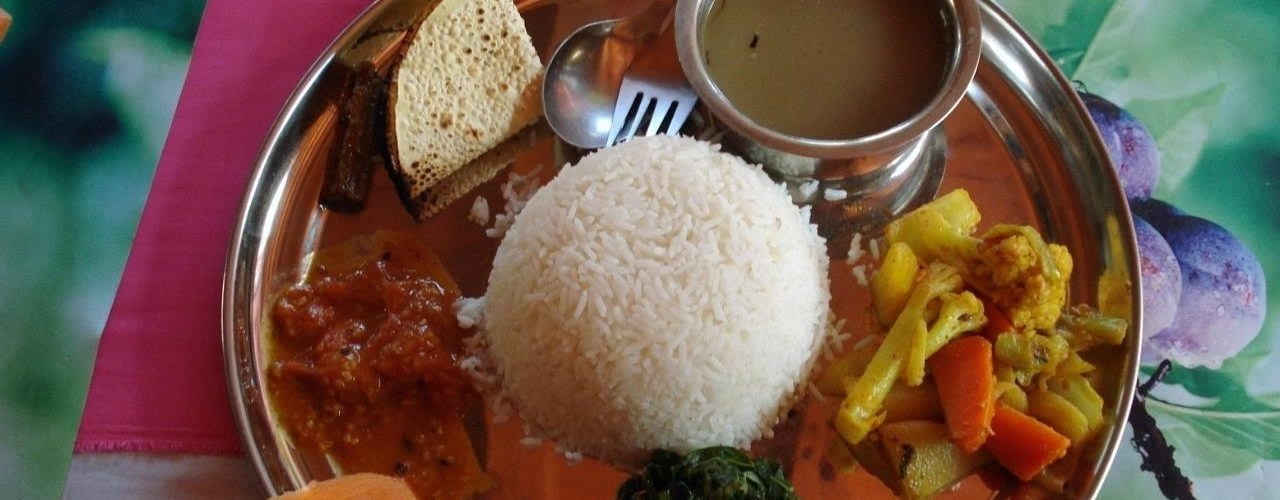
Meals on the Manaslu Circuit Trek are prepared fresh every day using local ingredients carried from nearby villages or lower towns. Dalbhat, the traditional Nepali meal of rice, lentils, vegetables, eggs, and pickles, is the most common and reliable food on the trail. Trekkers can also enjoy noodles, fried rice, soups, pancakes, eggs, pasta, potatoes, tea, and coffee in many tea houses. Food prices slowly become more expensive at higher elevations because transportation is difficult in remote mountain areas. Supplies are often carried by porters, mules, or yaks along steep trails. Even with simple menus, most trekkers find the meals filling, warm, and perfect for long trekking days in the Himalayas.
Accommodation along the Manaslu Circuit Trek is basic compared to city hotels, but the warm hospitality makes the experience special and memorable. Most teahouses have simple wooden rooms with twin beds, thin mattresses, pillows, and blankets. Bathrooms are usually shared, especially in higher villages where facilities are limited because of weather and transportation challenges. In lower villages, trekkers may find hot showers, charging stations, bakeries, and limited WiFi services. However, these services often cost extra money. Dining halls are usually heated with a stove in the evening, giving trekkers a warm place to relax, eat, share stories, and recover after long walking hours through the mountains and peaceful local villages.
Understanding what to expect from food and accommodation on Manaslu Circuit can help you to prepare properly for the journey ahead. During the busy trekking season, months like spring and autumn, tea houses may become crowded in popular villages such as Samagaon and Dharapani. Arriving early or trekking with a guide can help to secure better rooms and freshly prepared meals. Although facilities are simple, the peaceful mountain environment, traditional village culture, and friendly local hospitality create an unforgettable trekking experience. Many trekkers later say that eating warm meals beside a stove and sleeping in small teahouses became one of the most meaningful parts of their Manaslu adventure. The simplicity of life in the mountains often becomes the true highlight of the entire journey for visitors.
Types of Accommodation on the Manaslu Circuit Trek
Accommodation on the Manaslu Circuit Trek is mostly based on tea houses run by local families living in mountain villages. These tea houses are simple lodges that provide trekkers with a bed, warm meals, and a place to rest during long trekking days. Unlike luxury hotels in cities, rooms along the Manaslu route are basic and designed for comfort and shelter. Most rooms contain two single beds, pillows, blankets, sheets, and a table. Walls are wooden and heating inside bedrooms is uncommon, especially in villages where temperatures become freezing.
Tea houses on the lower part of the Manaslu Circuit Trek usually offer better facilities for trekkers. Villages like Machha Khola, Jagat, and Philim often have rooms with bathrooms, hot showers, charging stations, and WiFi access. Some tea houses provide bakeries, snacks, and dining halls where trekkers can relax during the evening. As the trail climbs toward higher villages such as Samdo and Dharmashala, facilities become more limited because transporting building materials and food supplies into mountain regions is difficult and expensive for lodge owners during the season.

Most dining halls on the Manaslu Circuit are warmer than the bedrooms because they contain a stove that burns wood or yak dung during evenings. Trekkers often gather in these spaces to eat meals, charge devices, talk with guides, and meet travelers from different countries. Bedrooms normally do not have heaters because fuel is limited in villages. Blankets are available in many tea houses, but carrying a sleeping bag is recommended for altitude sections of the trek. Simple accommodation conditions are part of the Manaslu experience for visitors.
Choosing the right accommodation on the Manaslu Circuit Trek can make the journey warmer and more enjoyable for trekkers. During the busy spring and autumn seasons, popular villages may fill quickly with visitors and groups. Many trekkers prefer arriving early in the afternoon to secure rooms and better service before groups arrive later in the evening. Hiring a guide can also help with finding tea houses during periods. Although the facilities are basic, the mountain atmosphere and hospitality from local families create memories for travelers exploring the Manaslu region.
Food Available on the Manaslu Circuit Trek
Food on the Manaslu Circuit Trek is simple, healthy, and designed to provide energy for long walking days in the Himalayas. Most teahouses along the trail prepare meals using local ingredients carried from nearby villages or transported by mules or porters. Although the menu is not as large as popular trekking routes like Everest or Annapurna, trekkers can still enjoy many warm and filling dishes every day. Meals are usually served inside a shared dining hall where trekkers relax together during cold mornings and evenings after walking through remote mountain villages and beautiful valleys.
Dal Bhat is the most common and recommended meal on the Manaslu Circuit Trek because it gives a high level of energy for trekking at higher altitudes. This traditional Nepali food includes rice, lentil soup, vegetables, pickles, and sometimes extra side dishes or curry. Many tea houses offer free refills of Dal Bhat, making it one of the best value meals during the trek. Besides Nepali food, trekkers can also find fried rice, noodles, pasta, soups, momo dumplings, pancakes, porridge, eggs, and Tibetan bread in most villages. Hot tea, coffee, garlic soup, and lemon drinks are also popular choices among trekkers during colder weather conditions.
Breakfast on the Manaslu Circuit Trek is usually simple but filling enough for the mountain climb. Trekkers often eat porridge, eggs, pancakes, chapati, toast, or Tibetan bread with tea or coffee before starting the day. Lunch is normally eaten at teahouses along the trail, while dinner is served at overnight stops after several hours of trekking. Snacks such as biscuits, chocolate bars, and noodles are available in many villages. But prices become more expensive as the trail reaches higher elevations because transportation becomes more difficult in remote mountain areas during trekking seasons.
Understanding the food situation on the Manaslu Circuit Trek helps trekkers to prepare better for the adventure. Meals are generally warm, fresh, and comforting after long walking hours, even though menu choices become more limited at higher altitudes. Eating healthy meals, drinking enough water, and avoiding unsafe foods can help trekkers to stay strong throughout the journey. Many travelers later remember the simple mountain meals and warm tea house dining halls as one of the most enjoyable parts of the entire Manaslu trekking experience.
Next Up: Cheapest Way to Do Everest Base Camp Trek: Explore Everest Base Camp on a Budget Without Missing the Adventure
Cost of Food and Accommodation on the Manaslu Circuit
The cost of food and accommodation on the Manaslu Circuit Trek is generally affordable compared to many other trekking destinations around the world. However, prices slowly increase as trekkers move towards higher altitude villages because transportation becomes more difficult in remote Himalayan regions. Most supplies, including rice, vegetables, cooking gas, dried meat, nuts, and snacks, are carried by porters, mules, or yaks along narrow mountain trails. Because of this difficult transportation system, tea house owners charge higher prices in upper villages to cover transportation costs and daily operating expenses during trekking seasons in remote mountain areas.
Accommodation on the Manaslu Circuit Trek is usually basic and reasonably priced for trekkers. In lower villages such as Machha Khola, Jagat, and Philim, rooms may cost around USD 5 to USD 10 per night, depending on the season and available facilities. In higher villages like Samdo, Dharmashala, and Bimthang, room prices can reach around USD 10 to USD 15 because supplies are harder to transport. Some teahouses offer free rooms if trekkers eat meals at the same lodge. Extra services such as hot showers may cost USD 2 to USD 5, while charging electronic devices and WiFi usually require additional payment in most villages.
Food prices on the Manaslu Circuit Trek also rise with altitude because transportation and weather conditions affect supply deliveries. A plate of Dal Bhat may cost around USD 5 in lower villages, but increases to nearly USD 8 or USD 10 near Larke Pass. Breakfast items like pancakes, eggs, porridge, and Tibetan bread usually cost between USD 3 and USD 7, depending on the location. Drinks such as tea, coffee, bottled water, soup, and soft drinks become more expensive at higher elevations. A bottle of drinking water may cost USD 1 in lower villages but around USD 3 to USD 5 in upper mountain areas during busy trekking seasons.
Planning a proper budget for food and accommodation on the Manaslu Circuit Trek can help trekkers to avoid unnecessary stress during the journey. On average, many trekkers spend between USD 25 and USD 40 each day, depending on personal choices and extra services used. Carrying snacks, a reusable water bottle, and a power bank can help to reduce extra expenses on the trail. Even though prices increase in higher villages, most trekkers feel the local hospitality, beautiful scenery, and unique mountain experience are worth the overall trekking cost during the journey.
Best Foods to Eat During the Manaslu Circuit Trek
Choosing the right food during the Manaslu Circuit Trek is very important because trekkers need enough energy for long walking days and high altitude conditions. The body burns more calories while trekking in cold mountain weather, so eating warm and healthy meals helps to maintain strength throughout the journey. Most tea houses prepare simple foods that are filling, easy to digest, and suitable for trekking conditions. Even though menu choices become more limited at higher elevations, trekkers can still enjoy nutritious meals that support energy, hydration, and recovery during the remote Himalayan adventure in Nepal throughout the long trekking journey.

Dal Bhat: Dal Bhat is the most recommended meal on the Manaslu Circuit Trek because it provides long-lasting energy for trekkers. This traditional Nepali food includes rice, lentil soup, vegetables, and pickles. It gives a healthy balance of carbohydrates and protein. Many tea houses also provide free refills, making it filling and affordable for daily trekking in the mountains.
Garlic Soup: Garlic soup is very popular among trekkers and guides during higher altitude sections of the Manaslu Circuit Trek. Many local people believe garlic helps to improve blood circulation and support altitude adjustment. The soup is warm, light, and comforting after long trekking hours in cold mountain weather conditions along remote Himalayan trails and villages.
Noodle Soup and Fried Rice: Noodle soup and fried rice are common foods found in most teahouses along the trekking route. These meals are warm, simple, and easy to digest while walking at higher elevations. Vegetable fried rice and noodle soup also provide quick energy and help trekkers to stay full for several hours during the journey.
Porridge, Eggs, and Tibetan Bread: Breakfast foods such as porridge, eggs, and Tibetan bread are excellent choices before starting a trekking day. These meals provide energy for climbing steep trails and help trekkers to stay warm during cold mornings. Many trekkers also drink tea or coffee with breakfast before continuing through villages and mountain landscapes on the Manaslu Circuit Trek adventure.
Eating the right food on the Manaslu Circuit Trek can make the journey safer, healthier, and more enjoyable for trekkers. Warmer meals, healthy food, and simple local dishes provide the energy needed for walking days in the mountains. Although the food is basic compared to city restaurants, the fresh taste, mountain atmosphere, and teahouse experience create special memories during the trek.
Related Read: Short Manaslu Circuit Trek– Explore Nepal’s Hidden Himalayan Gem on a Shorter Schedule
Challenges Trekkers May Face With Food and Accommodation
Food and accommodation on the Manaslu Circuit Trek are comfortable enough for basic trekking needs, but trekkers may still face several difficulties during the journey. Since the Manaslu region is remote and less developed than other trekking routes in Nepal, services are simple, and facilities can sometimes feel limited. Weather conditions, transportation problems, and busy trekking seasons also affect the quality of food and accommodation in mountain villages. Understanding these common challenges before starting the trek helps travelers to prepare better and enjoy the adventure with fewer problems during the long Himalayan journey through remote mountain trails in Nepal.
Limited Food Choices: One common challenge on the Manaslu Circuit Trek is the limited food menu in the higher altitude villages. Lower villages usually provide more meal options, but tea houses near Samdo and Dharmasala often serve fewer dishes because transporting supplies is difficult. Trekkers may need to eat similar meals every day during the trek through remote mountain regions.
Expensive Food and Drinks: Food and drinks become more expensive as trekkers move towards higher elevations on the Manaslu Circuit Trek. Supplies are carried by mules, yaks, and porters along difficult mountain trails, increasing transportation costs. Bottled water, tea, coffee, and snacks can cost much more in upper villages compared to lower trekking areas and nearby towns.
Basic and Simple Accommodation: The Manaslu Circuit Trek is simple and sometimes uncomfortable for trekkers expecting modern facilities. Bedrooms are usually unheated and become extremely cold during nights at higher altitudes. Shared bathrooms, limited hot water, and thin blankets may also feel difficult after long trekking days through cold mountain weather and high altitude regions in Nepal.
Crowded Tea Houses During Peak Season: Teahouses in Manaslu Circuit Trek can become crowded during spring and autumn because these are the most popular trekking seasons. Late-arriving trekkers may struggle to find good rooms in busy villages like Samagaon and Dharapani. Some trekkers may even need to share rooms when tea houses become completely full during busy trekking months.
Even though these challenges exist, many trekkers still enjoy the Manaslu Circuit Trek because of its peaceful environment, beautiful scenery, and local hospitality. Proper preparation, flexible expectations, and carrying useful trekking items can help to reduce many common problems during the journey.
Explore More: Everest Base Camp Trek with Helicopter Return: Experience Everest on Foot, Fly Back with Unmatched Himalayan Views
Tips for Choosing Good Tea Houses and Eating Safely
Choosing good tea houses and eating safely during the Manaslu Circuit Trek can make the journey more comfortable, healthy, hygienic, and enjoyable for trekkers. Since the trek passes through remote Himalayan villages with limited facilities, careful planning is very important. Clean accommodations, fresh meals, and safe drinking water help trekkers to avoid sickness and recover better after long walking days. Although tea houses on the Manaslu Circuit are simple compared to city hotels, they still provide warm hospitality and comfortable places to rest. Following a few simple tips can greatly improve the overall trekking experience in the beautiful Manaslu mountain region of Nepal during the adventure.

Check Cleanliness Before Booking: Before choosing a tea house on the Manaslu Circuit Trek, trekkers should check the cleanliness of the dining hall, bedrooms, rooms, and bathrooms. Clean tea houses usually provide fresher meals and better sleeping conditions for guests. Lodges with a busy dining area are often a good sign because many trekkers trust the food and services available there during the trekking season in mountain villages.
Eat Freshly Cooked Food: Trekkers should always choose freshly prepared meals during the Manaslu Circuit Trek to reduce the risk of stomach problems. Hot food like Dal Bhat, soup, noodles, and fried rice are usually safer choices in remote villages. Avoiding uncooked foods and eating simple vegetarian meals can also help trekkers to stay healthier at higher altitudes during the trekking journey through the Himalayas.
Drink Safe Water: Safe drinking water is extremely important while trekking because dehydration increases the risk of altitude sickness. Many trekkers carry reusable bottles and use purification tablets, filters, or boiled water instead of buying plastic bottles every day. Drinking enough clean water helps to maintain energy and supports recovery during long trekking days in cold mountain weather and difficult high altitude trails.
Carry Helpful Personal Items: Useful items such as sleeping bags, hand sanitizer, wet wipes, and a power bank can make tea house living easier during the trek. These simple items improve comfort and convenience in remote villages where facilities are limited. Carrying snacks can also help during long walking sections between tea houses along the mountain trail.
Preparing properly and following simple safety tips can make the Manaslu Circuit Trek smoother and more enjoyable. Even though accommodation and food are basic in remote mountain villages, the warm hospitality and peaceful atmosphere create unforgettable memories during the Himalayan adventure.
Nepal Recreation
Travel specialist sharing firsthand stories, comprehensive trekking guides, and expert advice to help you plan your Himalayan adventures.