Tea House Trekking in Annapurna
Tea house trekking in the Annapurna region is one of the most popular ways to explore the beautiful mountains of Nepal. It is simple, comfortable, and suitable for beginners as well as experienced trekkers. Instead of carrying tents and cooking equipment, trekkers stay in small local lodges called tea houses that are found along the trails.
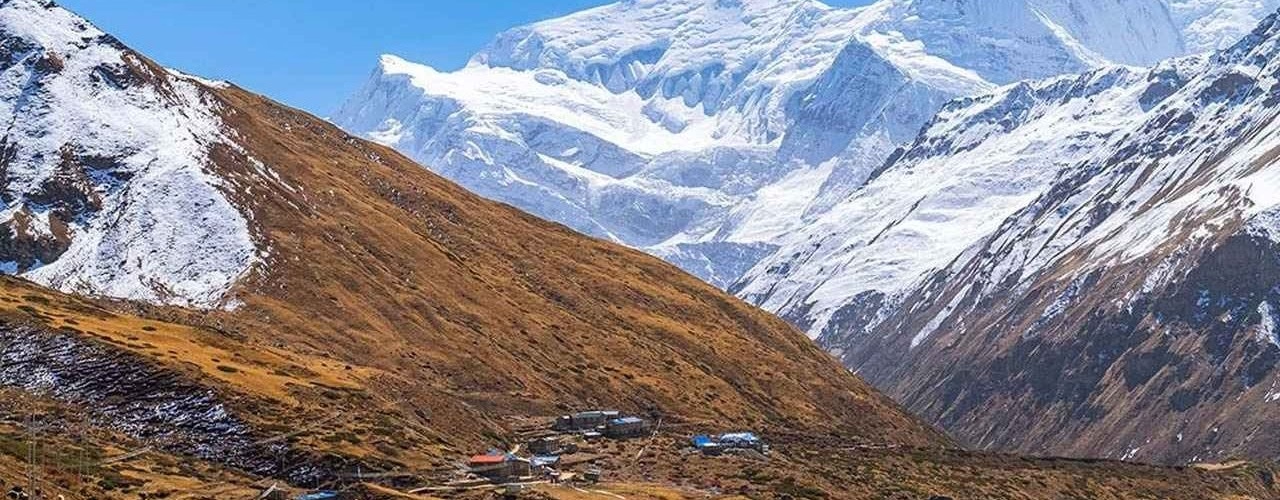
The Annapurna region lies in central Nepal, and it is famous for its stunning views, diverse landscapes, and rich culture. Trekkers can walk through green forests, terraced fields, and traditional villages while enjoying views of snow-covered peaks. The well-developed tea house system makes it easy to find food and shelter almost every few hours.
During a tea house trek, a normal day starts with breakfast in the lodge, followed by several hours of walking along scenic trails. At the end of the day, trekkers reach another tea house where they can rest, eat warm meals, and sleep. This daily routine continues until the trek is completed.
Teahouse trekking is also a great way to connect with local people and learn about their lifestyle. The lodges are usually family-run, and they welcome trekkers with simple hospitality. Many trekking companies, including Eco Holidays Nepal, support responsible tourism by working with local communities and promoting eco-friendly practices in the mountains.
In simple terms, tea house trekking in Annapurna is like walking from one village to another while enjoying nature, culture, and mountain views. It does not require advanced skills, but it does need basic fitness and preparation. This type of trekking offers a perfect balance of adventure and comfort for anyone who wants to experience the Himalayas. It becomes an ideal choice for travelers seeking a simple yet meaningful journey in Nepal’s beautiful mountain region with lasting memories and unforgettable experiences for everyone.
What is Tea House Trekking in Annapurna?
Tea house trekking in the Annapurna region is a simple and popular way of travelling to the central Himalayas. Instead of carrying tents and cooking your own food, you stay in small lodges called teahouses. These tea houses are built along the trekking trails and provide basic services like a bed, meals, and a place to rest. This makes trekking easier and more comfortable for people of all ages.
In the past, trekking in Nepal required camping with a full team of guides, cooks, and porters. But now, the tea house system has changed everything. Trekkers can walk freely without heavy equipment because there are many teahouses along the route. This system is well developed in the Annapurna region, making it one of the best trekking areas in Nepal.

A tea house is usually a small building made of stone or wood. It is run by a local family who live there. Inside, there are simple rooms with beds, pillows, and blankets. Most rooms are shared between two trekkers. There is also a dining area where trekkers eat their meals and spend time together in the evening.
Food is an important part of the tea house trekking. You can order meals from a menu that includes local and simple international dishes. Popular food includes rice, lentils, vegetables, noodles, and soup. These meals are fresh. These foods give energy for walking long distances every day.
Tea houses also provide basic facilities like toilets, drinking water, and electricity. In lower areas, you may find hot showers and WiFi, but at higher altitudes, services become more basic. You will need to pay extra to use these additional services, mostly charged on an hourly basis.
Eco Holidays Nepal supports tea house trekking by promoting eco-friendly lodges and responsible tourism. They help trekkers to enjoy the journey while protecting the environment and supporting local communities. Tea house trekking is like staying in small mountain homes while exploring the beautiful Himalayan region.
Also Read: Everest Base Camp Trek with Helicopter Return– Trek Into the Heart of Everest, Return With a View Few Ever Experience
Why Choose Tea House Trekking in Annapurna?
Tea house trekking in the Annapurna region is a great choice for many travelers because it is simple, comfortable, and flexible. You do not need to carry heavy camping equipment or worry about cooking your own food. Everything you need, like a bed and meals, is available at tea houses along the trail. This makes trekking easier, especially for beginners who may not have much experience in the mountains.
Another reason to choose tea house trekking is the strong network of lodges in the Annapurna region. Trails like Annapurna Base Camp, Annapurna Circuit, and Ghorepani Poon Hill have tea houses at regular distances. This means you can plan your walking day easily and always find a place to rest. It also adds a sense of safety because help is usually nearby if needed.
Tea house trekking is more affordable compared to camping treks. Since you do not need a large team or special equipment, the cost is lower. You can choose your own budget by deciding where to stay and what to eat. Many trekkers find this flexibility very helpful when planning their trip.
One of the best parts of tea house trekking is the chance to experience local culture. Tea houses are run by local families, so you can talk with them, learn about their daily life, and taste traditional food. This creates a more personal and meaningful travel experience. Eco Holidays Nepal is focused on this cultural connection by supporting local communities and encouraging responsible tourism.
Finally, tea house trekking offers a good balance between adventure and comfort. You can enjoy beautiful mountain views, forests, and villages during the day, and still have a warm place to sleep at night. It is not too difficult, but still exciting enough to feel like a real adventure. That is why tea house trekking in Annapurna is a perfect choice for many travellers.
Popular Tea House Trekking Routes in Annapurna
The Annapurna region is one of the best places in Nepal for tea house trekking because it has many well-developed routes. Each route offers different views, culture, and trekking difficulty. Tea houses are available along all major trails, making it easy to travel without camping. Whether you want a short and easy trek or a long adventure, there is a route for everyone.

Annapurna Base Camp Trek: This is one of the most popular routes. It usually takes 7 to 12 days. The trek reaches 4,130 meters at the Annapurna Base Camp. It passes through villages like Ghandruk, Chhomrong, and Deurali. Trekkers walk through forests, rivers, and mountain valleys. Tea houses are available at every stop, and the final destination offers a close view of Annapurna and Machhapuchhre.
Annapurna Circuit Trek: This is a longer and more challenging route. It takes around 12 to 18 days to complete. This journey circles the Annapurna range and crosses Thorong La Pass at 5,416 meters. The trek shows different landscapes, from green hills to dry high-altitude areas. Tea houses along the route provide food and shelter even in remote locations.
Ghorepani Poon Hill Trek: This is a short and easy trek. It takes about 4 to 6 days to complete. This trek is famous for the sunrise view from Poon Hill at 3,210 meters. The route passes through rhododendron forests and Gurung villages. Tea houses here are comfortable and suitable for beginners.
Mardi Himal Trek: This is a quieter route. It takes around 5 to 7 days, and it offers close views of Machhapuchhre and Annapurna South. The trail is less crowded, but it still has basic tea houses for accommodation and meals.
Khopra Ridge Trek: This route takes about 6 to 9 days. It is less crowded than other treks. It offers wide mountain views and a peaceful environment. Tea houses are available, but are more basic compared to popular routes.
In conclusion, the Annapurna region offers many trekking routes with strong tea house facilities. Each route provides a unique experience, allowing trekkers to enjoy nature, culture, and comfort at the same time.
Accommodation and Facilities in Tea Houses
Accommodation during the tea house trekking in the Annapurna region is simple but comfortable enough for most trekkers. Tea houses are small lodges run by local families, and they provide basic rooms, meals, and a warm place to stay after a long day of walking. Even though they are not luxurious, they offer everything needed for a safe and pleasant trekking experience.
Most tea houses have twin-sharing rooms with two single beds. Each bed usually comes with a mattress, pillow, and blanket. The rooms are basic and may not have heating, so it can get cold at night, especially at higher altitudes. That is why many trekkers carry a sleeping bag for extra warmth and comfort.
Bathrooms in tea houses are usually shared among guests. In lower regions, some tea houses may offer attached bathrooms with western-style toilets. However, as you go higher, toilets are more basic and often located outside the main building. Cleanliness depends on the tea house, but most places try to keep facilities in good condition.
Hot showers are available in many tea houses, but they cost extra. In some places, you may get a bucket of hot water instead of a running shower. Electricity is also available in most villages, often powered by solar energy. Charging your phone or camera may require a small fee, especially in remote areas.
The dining hall is the most important part of the tea house. It is a warm and social space where trekkers gather to eat, talk, and relax. A stove is usually placed in the center to keep the room warm. Eco Holidays Nepal encourages staying in eco-friendly tea houses that use solar power and proper waste management systems to protect the environment.
In the end, tea house accommodation in Annapurna is basic but practical. It provides comfort, safety, and a chance to experience local life while enjoying the beauty of the mountains.
Food and Meals During the Trek
Food is a very important part of the tea house trekking in the Annapurna region. After walking for many hours each day, trekkers need warm and filling meals to regain energy. Tea houses provide a variety of food options that are simple, fresh, and suitable for long trekking days. Even though the menu is basic, it is enough to keep trekkers healthy and strong.
The most popular meal is Dal bhat, which includes rice, lentils, soup, vegetables, and pickles. It is a traditional Nepali dish. It is loved by trekkers because it is diverse and provides a lot of energy, which is crucial while traversing high-altitude terrain. One special thing about dal bhat is that it often comes with free refills, so you can eat as much as you need after a tiring day.

Besides dal bhat, tea houses offer many other dishes like noodles, fried rice, pasta, pancakes, eggs, and soups. Breakfast usually includes items like porridge, toast, eggs, and tea or coffee. Dinner is usually heavier, as trekkers need more energy to recover for the next day.
As you go higher in altitude, food prices become more expensive. This is all because supplies are carried by porters or mules to remote areas. Fresh meat is not always available at higher altitudes, so many trekkers prefer vegetarian meals, which are safer and more common.
Drinking enough water is very important during trekking. Trekkers should drink at least three liters of water each day. Most tea houses provide boiled or filtered water, which helps to reduce the use of plastic bottles. Eco Holidays Nepal also encourages trekkers to avoid food waste and choose local meals to support mountain communities.
In the end, food during the tea house trekking is simple but satisfying. It gives the energy needed for long walks and adds to the overall experience of living and travelling in the beautiful Annapurna region.
You May Like Reading: Food Tasting Tour Nepal – 15 Popular Local Dishes, A Curated Bite-by-bite Journey Through Nepal’s Most Loved Local Flavors
Cost and Budget for Tea House Trekking
The cost of tea house trekking in the Annapurna region is one of the main reasons why it is popular among travellers. Compared to camping treks, it is more affordable because you do not need to carry tents, cooking equipment, or hire a large team. You can plan your budget based on your needs and travel style.
On average, a basic tea house trek costs around 25 to 40 US dollars per day. This usually includes a simple room and three meals a day. If you choose a more comfortable option with better food and services, the cost can go up to 40 to 80 dollars per day. Prices also depend on the trekking route and season.
Accommodation in tea houses is generally cheap. In some places, you may even get a room for free if you eat your meals at the same tea house. Food is the main expense during the trek, and prices increase as you go higher because all supplies are carried by porters or animals.
Trekkers also need to pay for permits. The main permit is the Annapurna Conservation Area Permit (ACAP). This permit is important for safety and helps to manage tourism in the region. The cost of this permit is usually fixed and must be arranged before starting the trek.
Hiring a guide or porter is optional but highly recommended. A guide helps with navigation, safety, and local knowledge, while a porter carries your heavy bag. Eco Holidays Nepal offers package trips that include permits, accommodation, meals, and experienced staff, making the trek easier and more organized.
In conclusion, tea house trekking in Annapurna is flexible and budget-friendly. You can control your spending while still enjoying a rich trekking experience in the Himalayas.
Best Time for Tea House Trekking in Annapurna
Choosing the right season is very important for tea house trekking in the Annapurna region. Weather affects trail conditions, mountain views, and overall safety. The Annapurna region has four main trekking seasons, and each one offers a different experience. Understanding these seasons helps trekkers to plan a better and more enjoyable journey.

Spring (March to May): This is one of the best seasons for trekking. The temperature ranges between 19°C and 29°C in lower areas. Temperature can drop below freezing at night in higher altitudes. Rhododendron forests bloom during this time, making the trails colorful and beautiful. Visibility is generally good, and tea houses are fully open with fresh food supplies.
Autumn (September to November): This is the most popular trekking season. Temperatures are similar to spring, with clear skies and excellent mountain views. After the monsoon rains, the air becomes clean, allowing trekkers to see peaks like Annapurna and Machhapuchhre clearly. Trails are dry and safe, and tea houses operate at full capacity.
Winter (December to February): Winter trekking is possible, but colder. Day temperatures range from 5°C to 10°, while nights can drop to -10°C or lower in high areas. Snowfall may block high passes like Thorong La. However, lower routes remain open, and tea houses provide basic services. Fewer trekkers mean quieter trails.
Monsoon (June to August): This season brings heavy rainfall, especially below 3,000 meters. Trails become slippery, and landslides are common. Temperatures are warm, around 15°C to 25°C, but mountain views are often hidden by clouds. Tea houses stay open, but you will see fewer trekkers due to weather challenges.
Eco Holidays Nepal recommends spring and autumn for the best trekking experience. These seasons offer safer trails, clear views, and comfortable weather. Choosing the right season helps trekkers to enjoy Annapurna’s beauty while staying safe and prepared.
Don’t Miss: 5 Days Nepal Luxury Tour, Discover Nepal in Luxury– Five Days of Culture, Calm, and Curated Elegance
Tips for a Safe and Enjoyable Trekking Experience
Tea house trekking in the Annapurna region is a wonderful experience, but proper preparation is very important for safety and enjoyment. The mountains can be unpredictable, so following simple tips can help trekkers stay safe and comfortable throughout the journey.
Walk Slowly and Adjust to Altitude: Trekking involves walking at high elevations where oxygen levels are lower. It is important to walk at a steady pace and not rush. Gaining too much altitude quickly can cause altitude sickness. Taking rest days and drinking enough water helps the body to adjust properly.
Pack Smart and Light: Carry only necessary items such as warm clothes, trekking shoes, a sleeping bag, and basic medicines. The weather can change quickly, so layers are important. Even though teahouses provide blankets, having your own sleeping bag adds extra warmth and comfort.
Stay Hydrated and Eat Well: Drinking at least three liters of water daily is important during trekking. Eating regular meals like dal bhat provides energy for long walks. Avoid alcohol at higher altitudes, as it increases the risk of dehydration and altitude sickness.
Respect Local Culture and Environment: The Annapurna region is home to different ethnic communities. Trekkers should be polite, follow local customs, and dress modestly. Avoid littering and use refillable water bottles to reduce plastic waste. Eco Holidays Nepal promotes responsible tourism and environmental care.
Carry Enough Cash and Basic Supplies: There are no ATMs in most trekking areas, so you should bring enough cash for food, charging devices, and small expenses. It is also helpful to carry snacks, a flashlight, and personal hygiene items.
Hire a Guide or Porter if Needed: A guide helps with navigation, safety, and communication, while a porter carries heavy bags. This makes the trek easier and more enjoyable, especially for beginners.
In conclusion, good preparation, respect for nature, and a careful approach will make a tea house trek in Annapurna safe, enjoyable, and unforgettable.
Nepal Recreation
Travel specialist sharing firsthand stories, comprehensive trekking guides, and expert advice to help you plan your Himalayan adventures.