When to Do Manaslu Circuit Trek?
Choosing the right time to do the Manaslu Circuit Trek is one of the most important decisions for a successful and enjoyable journey. This trek takes you around Mount Manaslu (8,163 m), the eighth-highest mountain in the world. Along the Manaslu Circuit route, you will walk through remote villages, deep river valleys, dense forest, and high alpine terrain. The trek route crosses Larkya La Pass (5,106 m), so weather and seasonal conditions play a major role in safety, comfort, and overall experience.
Unlike Everest or Annapurna, the Manaslu Circuit is less crowded and more untouched. But it is more sensitive to weather changes. Heavy snow, rainfall, or extreme cold can make trails difficult or even block the high pass. On the other hand, clear skies, stable temperatures, and dry trails offer spectacular mountain views, safer walking conditions, and better acclimatization.
Each season on the Manaslu Circuit feels very different. Spring brings blooming rhododendrons and mild temperatures. Autumn offers crystal clear mountain views and the most stable weather. Monsoon months create a lush landscape but come with rain and landslides risk, while winter delivers solitude along with harsh cold and snow.
In this blog, we will understand when to do Manaslu Circuit Trek, which months are best, and what weather to expect in each season. You can understand how to choose the right time based on your fitness level, experience, and trekking goals.
Quick Overview: Best Time to Do the Manaslu Trek
The best time to do the Manaslu Circuit Trek is during spring and autumn. These two seasons offer the most stable weather, clear mountain views, and safer trail conditions, especially for crossing the high Larkya La Pass ( 5,106m).
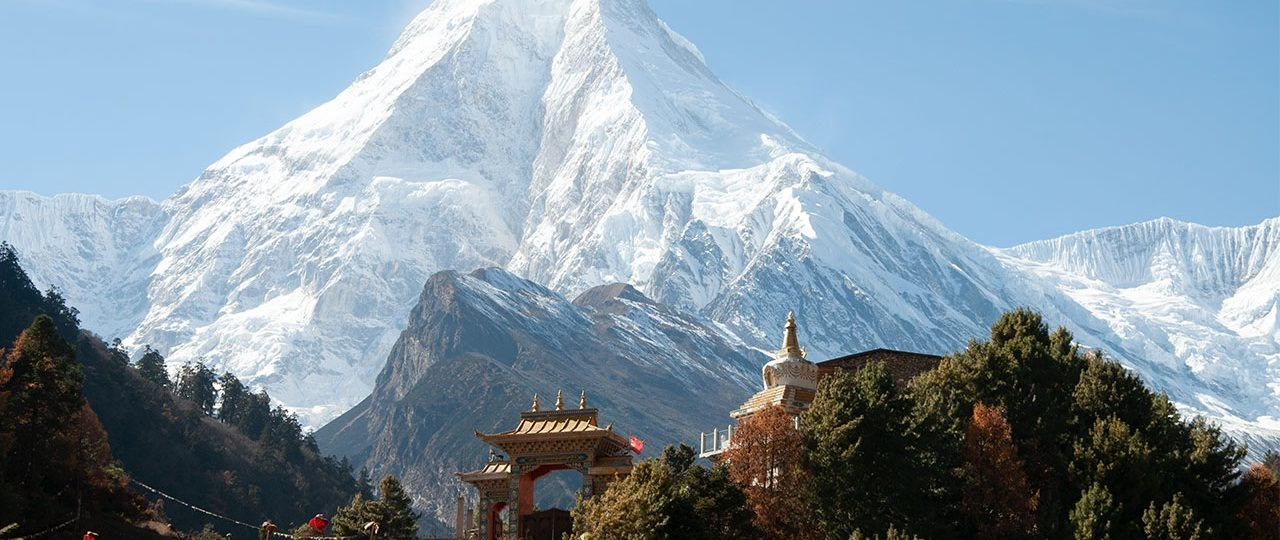
During these months, daytime temperatures are comfortable for long walking hours. The nights are cold but manageable with proper gear. The trails are mostly dry, rivers are easier to cross, and teahouses remain fully open along the route. Visibility is excellent, allowing trekkers to enjoy panoramic views of Mount Manaslu, Himlung Himal, Cheo Hima, and Annapurna II.

Spring is known for its colorful landscapes with rhododendron forests in full bloom at lower altitudes. On the other hand, the Autumn season is famous for its clear skies and fresh air after the monsoon rains, which makes it a popular season overall. October is often considered the best single month for the Manaslu Circuit Trek.
Other seasons come with challenges. Monsoon season brings heavy rainfall, slippery trails, leeches, and risks. The winter season offers quiet trails and clear views, but very cold temperatures and heavy snow at high passes can block Larkya La.
In short, if you want the best balance of weather, safety, scenery, and comfort, you can plan your Manaslu Circuit Trek in spring or autumn. These seasons suit beginners, experienced trekkers, and even seniors with proper preparation.
Manaslu Circuit Trek in Spring
Spring is one of the best seasons to do the Manaslu Circuit Trek. It is especially for those trekkers who want good weather, colorful landscape, and stable trail conditions. This season runs from March to May. It is ideal for both first-time trekkers and experienced hikers.
During spring, daytime temperatures are mild and comfortable. At lower altitudes, temperatures range from 10°C to 25°C, while at higher elevations near Larkya La Pass, daytime temperatures stay around 5°C. Nights are cold but not extreme, which makes camping and teahouses manageable with proper sleeping gear.
One of the biggest highlights of spring is the blooming rhododendron forests, especially between Jagat, Den, and Namrung. The trails become colorful and lively, which adds beauty to the trekking experience. Snow may still be present at higher altitudes early in March, but by April and May, the Larkya La Pass is usually clear and safely passable with local guidance.
The weather in spring is mostly stable, with clear mornings and occasional clouds in the afternoon. Mountain views are excellent, especially in April. The number of trekkers increases during this season. But still Manaslu remains less crowded compared to the Everest and Annapurna regions.
Overall, the spring season is perfect for trekkers who want pleasant weather, natural beauty, and safe high pass conditions, which makes it one of the top choices for the Manaslu Circuit Trek.
Manaslu Circuit Trek in Autumn
Autumn is considered the best overall time to do the Manaslu Circuit Trek. This season runs from September to November. Autumn season offers the most stable weather, the clearest mountain views, and excellent trail conditions.
After the monsoon rains end in early September. The air becomes clean and fresh. Skies are usually clear, especially in October, which is widely regarded as the best month for the Manaslu Circuit. Daytime temperatures at lower altitudes range between 12°C and 18°C, while higher areas near Larkya La Pass remain cold but manageable, around -8°C to 3°C during the day. Nights are colder but predictable.
Autumn provides unmatched visibility of major peaks such as Mount Manaslu, Himlung Himal, Naike Peak, and Annapurna II. Trails are dry, rivers are stable, and the risk of landslides is very low. Teahouses operate fully, and food and accommodation options are reliable throughout the route.
Another special aspect of autumn trekking is the cultural experience. Major Nepali festivals like Dashain and Tihar fall during this season. These seasons allow trekkers to observe local traditions and village life along the trail.
While autumn attracts more trekkers than other seasons, the Manaslu Circuit still feels peaceful compared to the Everest routes. For trekkers seeking the best mix of weather, safety, views, and cultural richness, the Autumn season is the ideal choice.

Manaslu Circuit Trek in Summer/Monsoon
The summer season in Nepal coincides with the monsoon season, which lasts from June to August. This is generally the least recommended time to do the Manaslu Circuit Trek. This season is risky due to challenging weather and trail conditions, especially for first-time trekkers.
During the monsoon, the region receives heavy rainfall, particularly at lower and mid-altitudes. Trails become muddy and slippery. There is a higher risk of landslides and rockfalls, especially between Machha Khola and Deng. River crossings can be more difficult due to increased water levels. Cloud cover is common, which often blocks mountain views.
Another common issue during this season is leeches, especially in forested and humid areas. Trekkers also face higher humidity, which makes long walking days more tiring. Temperatures remain warm at lower elevations, ranging from 18°C to 25°C, but the conditions can feel uncomfortable due to moisture in the air.
However, monsoon trekking has a few advantages. The landscape is lush and green, and the waterfalls are at their strongest. The trails are very quiet with very few trekkers. This season may suit experienced trekkers who are well prepared, flexible with schedules, and comfortable trekking in wet conditions.
Overall, while summer trekking on the Manaslu Circuit is possible, it involves higher risks and limited views. It is best suited for trekkers who value solitude over comfort and are ready to handle unpredictable weather.
Manaslu Circuit Trek in Winter
Winter on the Manaslu Circuit Trek lasts from December to February. This is the most challenging season for trekking in this region. During these months, temperatures drop sharply, and heavy snowfall at higher elevations can make the trek difficult or even impossible.
At lower altitudes, daytime temperatures range from 5°C to 10°C, but as you gain height, temperatures fall quickly. Near Larkya La Pass (5,106 m), daytime temperatures often stay below freezing. The nighttime temperatures can drop to -15°C or lower. Strong winds at high altitude increase the cold, which makes conditions harsh.

The biggest challenge in winter is snow accumulation, especially around Dharmasala and Larkya La pass. Heavy snow can block the pass for days or weeks, forcing trekkers to turn back. Many teahouses at higher elevations close for the season due to extreme cold and low visitor numbers, which limits accommodations and food options.
Despite these difficulties, winter trekking has some rewards. The trails are very quiet, offering complete solitude. On clear days, mountain views can be exceptionally sharp. The landscape looks dramatic under fresh snow. Winter trekking is suitable only for experienced trekkers with strong fitness, proper cold-weather gear, and flexible travel plans.
In summary, the winter season is not ideal for most trekkers. It is best to avoid unless you have high altitude experience, reliable local support, and are prepared for extreme cold and route changes.
Month-by-Month Breakdown for Manaslu Circuit Trek
Choosing the best month for the Manaslu Circuit Trek helps you to plan better for the weather, safety, and overall experience. Below is a clear month-by-month overview to understand which months are best, good, and risky.
January- February: These are the coldest months. In these months, heavy snow often blocks Larkya La Pass. Most teahouses are closed during these months. These months are suitable only for very experienced trekkers with winter trekking skills.
March: In the month of March, early spring begins. In these months, lower trails are pleasant, but higher sections may still have snow. This month is good for those trekkers who prefer fewer crowds and can handle cold nights.
April: It is one of the best months. In this month, the weather is stable, rhododendron blooms, and the views are clear. Larkya La is usually safe to cross in this month. This month is ideal for beginners and photographers.
May: In this month, the temperature is warm and good visibility. There are slightly more clouds in the afternoon. But still, this is an excellent month before the monsoon arrives.
June- August: These months are in the monsoon season. In these months, there will be heavy rainfall, leeches, landslides, and limited mountain views. It is best to avoid these months unless you are experienced and flexible.
September: In September monsoon ends. In this month, trails become greener and quieter. The weather improves quickly, but still, early September may have clouds.
October: This is the best month overall. In this month, there are clear skies, dry trails, stable temperatures, and excellent views. This is the most popular and reliable time.
November: This month is cooler and less crowded. In this month, clear weather continues, but the temperature drops at higher altitudes. This is a very good month with proper gear.
Overall, if you are wondering when to do Manaslu Circuit Trek, April, May, October, and November are the most reliable months for the Manaslu Circuit Trek.
Weather, Temperature and Larkya La Pass Conditions
Weather and temperature play a critical role in the Manaslu Circuit Trek, especially when crossing Larkya La Pass (5,106 m). It is the highest and most challenging point of the trek. Understanding these conditions helps trekkers to plan safely and avoid unnecessary risks.
At lower altitudes (700 m – 2,000 m), daytime temperatures range from 10°C to 25 °C depending on the season. As the trail climbs higher, the temperature drops significantly. Above 4,000 meters, daytime temperatures usually stay between -8°C and 5°C, while night temperatures can fall well below freezing, mostly in autumn and winter.
Weather conditions around Larkya La pass can change quickly. Strong winds, sudden snowfall, and low visibility are common, particularly in winter and early spring. During the best trekking seasons like April, May, and October, November, the pass is usually clear with manageable snow levels and stable conditions.

The best time to cross Larkya La is early in the morning when the winds are lighter and the weather is more stable. Afternoon crossings increase the risk of strong winds and cloud buildup. Proper acclimatization days and buffer days are important to adjust to altitude and wait out bad weather if needed.
Overall, the stable weather and clear forecasts are key to a safe Manaslu Circuit Trek. Understanding when to do Manaslu Circuit Trek greatly reduces the risks associated with cold, snow, and high winds at Larkya La Pass.
When to Do Manaslu Circuit Trek? The Right Season Based on Trekking Style
The best time to do the Manaslu Circuit Trek depends not only on weather but also on your trekking style, experience, and personal goals. Different seasons suit different types of trekkers.
First-time trekkers, the autumn and spring seasons are the safest choices. These months offer stable weather, open teahouses, clear trails, and comfortable temperatures. This perfect timing reduces both physical and mental stress.
For senior trekkers, the spring and autumn months are also ideal. Spring is especially good because temperatures are slightly warmer at higher altitudes. Proper acclimatization and a slower pace make these seasons very manageable.
For photographers and nature lovers, spring is ideal. This season provides colorful rhododendron forests, while autumn offers sharp mountain views and dramatic landscapes. October is the best month for clear skies and panoramic photography.
For trekkers who prefer fewer crowds, early March, late November, and even winter, if you have experience, can be considered. However, this period requires flexibility and strong preparation.
For adventure-focused or budget trekkers, the monsoon and winter seasons seem attractive due to low crowds and costs. But these seasons come with higher risks and limited service.
In conclusion, you should choose your trekking season based on your comfort level, expectations, and experience. The right timing ensures a safe, more enjoyable Manaslu Circuit Trek.
Conclusion: So, When Is the Best Time to Do the Manaslu Circuit Trek?
The best time to do the Manaslu Circuit Trek clearly depends on choosing the right balance between weather, safety, and personal trekking goals. Based on trail conditions, temperature, and past safety, these two seasons, spring and autumn, stand out as the most reliable and rewarding seasons.
The spring season offers warmer temperatures, blooming rhododendron forests, and a vibrant natural landscape, making it ideal for trekkers who enjoy nature and slightly quieter trails. April and May are especially suitable for beginners and senior trekkers. Autumn, particularly October, provides the most stable weather, with crystal clear mountain views. These months are also at safe conditions for crossing the Larkya La pass while making it the top overall choice.
Monsoon and winter trekking are possible, but they come with higher risks such as landslides, heavy rain, snow-blocked passes, and limited services. These seasons are recommended only for experienced trekkers with strong preparation and flexible schedules.
In summary, if your goal is a safe, scenic, and comfortable trekking experience, you should plan your Manaslu Circuit Trek in spring or autumn. Choosing the right season not only improves safety but also enhances the beauty, enjoyment, and success of your journey around one of Nepal’s most stunning mountain regions.
Nepal Recreation
Travel specialist sharing firsthand stories, comprehensive trekking guides, and expert advice to help you plan your Himalayan adventures.