What to Wear on the Everest Base Camp Trek?
The Everest Base Camp trek is one of the most famous trekking journeys in the world. It takes you through small Sherpa villages, deep valleys, suspension bridges and high mountain landscapes all the way to the foot of Mount Everest. While the views are beautiful, the weather on this trek can be very challenging. So it is very important to know what to wear on the Everest Base Camp trek, just as important as knowing the route.
During the trek, you will walk through different climate zones. In lower areas like Lukla and Namche Bazaar, these days can feel warm and sunny. But as you move higher towards places like Dingboche, Lobuche and Gorakshep, the temperature drops quickly. Early mornings and nights can be freezing, even in the best trekking seasons. Wind, snow, rain, and strong sunlight are all common on the same day. Because of this, wearing the wrong clothes can make you feel cold, tired, and uncomfortable.
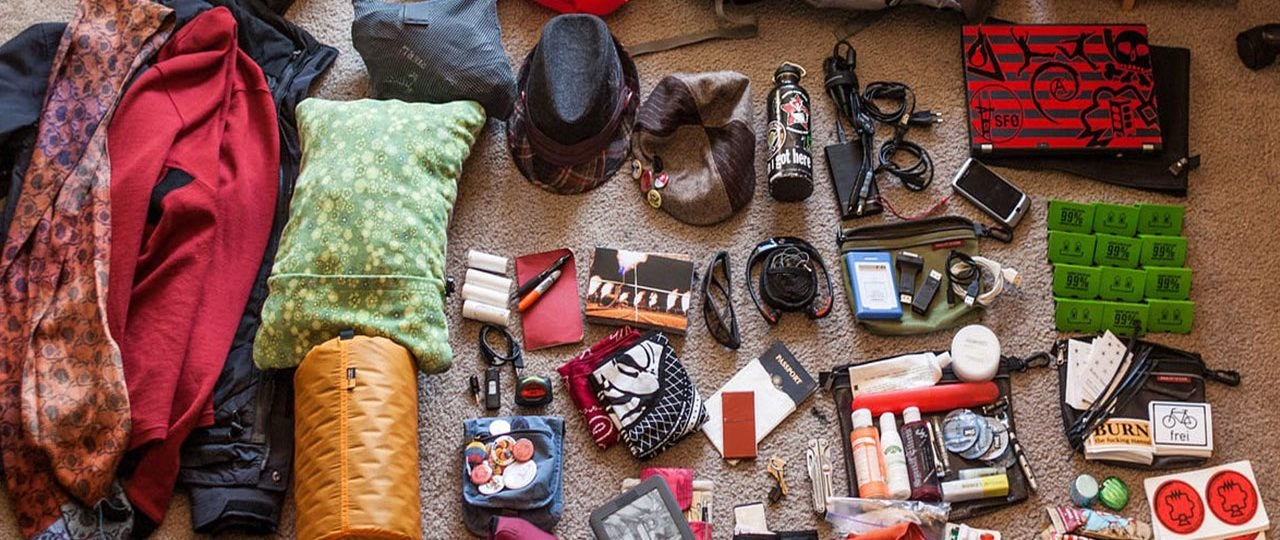
Many trekkers think they need very thick or heavy clothes, but that is not true. The key to staying comfortable on the Everest Base Camp trek is layering. Wearing the light layers helps you to stay warm when it is cold, cool when you are walking, and dry when the weather changes. Good clothing also helps to prevent problems like colds, blisters, and loss of body heat at high altitude.
In this blog, we will help you to understand exactly what to wear and pack for the Everest Base Camp trek, so that even first-time trekkers can feel confident and well prepared for the journey to Everest Base Camp.
Everest Base Camp Weather
Before deciding what to wear trekking Everest, it is very important to understand the weather of the Everest region. The weather in the Everest region changes a lot, not only from season to season but also from morning to night. Many trekkers are surprised by how quickly the temperature drops as they gain altitude.
At lower places like Lukla and Phakding, the weather is usually mild. During the day, it can feel warm, especially when the sun is out. You may walk in a light shirt or a thin jacket. However, mornings and evenings are cooler. As you move higher to Namche Bazaar, days are still comfortable, but nights start to feel cold.

Above Namche, in places like Tengboche, Dingboche, and Lobuche, the air becomes thinner and colder. Daytime temperatures can still be pleasant when walking, but early mornings and nights are often close to freezing. At Gorakshep and Everest Base Camp, temperatures can drop well below zero, especially at night and in the early morning. Strong winds make it feel even colder.
The weather also depends on the season. In spring (March to May), in these seasons, days are generally warmer but nights are cold. In Autumn (September to November), the skies are clear, but temperatures are colder, especially at higher altitudes. Rain and snow can happen in both seasons.
Because of these conditions, wearing one thick jacket all the time does not work. You need EBC trek clothes that you can add or remove easily. This is why understanding the weather helps you to choose the right layers and pack smartly for the Everest Base Camp trek.
What to Wear Next to Your Skin?: Base Layer
The base layer is the most important part of your clothing on the Everest Base Camp trek. It is the layer you wear directly on your skin, and its main job is to keep your body dry and warm. When you walk for many hours each day, your body produces sweat. If this sweat stays on your skin, you will feel cold very quickly, especially at high altitude.
Good base layers are made from moisture–wicking materials. This means they pull sweat away from your skin and help it dry faster. The best materials for base layers are Merino wool and synthetic fabrics like polyester. These materials keep you warm even when they are slightly damp and do not smell easily after long days of trekking.
You should completely avoid cotton base layers. Cotton absorbs sweat and takes a long time to dry. Once it gets wet, it makes your body cold and uncomfortable, especially in cold and windy conditions. Many trekkers who feel very cold on the trail are actually wearing cotton. For the Everest Base Camp trek, it is usually enough to pack 2 to 3 thermal tops and 2 thermal bottoms.
Choose the base layers that fit close to your body but not too tight. A good fit helps trap heat and move moisture better. Base layers are worn every day on trek, so comfort is very important. With the right base layer, you will feel warmer, lighter, and much more comfortable as you walk higher towards Everest Base Camp.
Mid Layers: Insulation for Warmth
The mid-layer is the clothing you wear over your base layer. Its main job is to keep your body warm by trapping heat. This layer is very important on the trekking outfit Everest Base Camp trek because temperatures drop quickly as you go higher, especially in the mornings, evenings, and at night.
A good mid-layer should be warm, light and easy to remove. The most common and useful mid-layer option such as fleece jackets, light down jacket and synthetic insulated jackets.
A fleece jacket is great for daily walking. It provides warmth but also allows your body to breathe, so you do not feel too hot while trekking. A light down or insulated jacket is very useful during cold mornings, lunch breaks, and in the evening at tea houses.

You do not need to wear allthe mid layers at the same time. Some days, one fleece is enough. On colder days, especially above Namche Bazaar, you may wear a fleece plus a down jacket. This flexible Layering for Everest Base Camp helps you to stay comfortable without sweating too much.
For the Everest Base Camp trek, packing 1 fleece jacket and 1 warm, insulated, or down jacket is usually enough. Make sure your mid layers are not too heavy or bulky. Heavy clothes make walking difficult and take up more space in your closet. A good mid-layer keeps you warm, saves energy,y and makes the long trekking days much more comfortable as you move closer to Everest Base Camp.
Outer Layers for Protection from Wind, Snow and Rain
The outer layer is your protective shield on the Everest Base Camp trek. Its main job is to protect your body from strong winds, snow, rain, and cold air. Even when the sun is shining, cold winds at high altitude can make you feel very cold in a short time. That is why a good outer layer is most important.
A proper outer layer should be waterproof, windproof, and breathable. The most important items in this layer are a waterproof jacket and waterproof or windproof trekking pants. Your jacket should have a hood to protect your head and neck from wind and snow. Zippers under the arms or on the chest are helpful because they allow air to pass through when you are walking uphill and feeling warm. This keeps your body dry from sweat.
Waterproof pants are very useful when it rains, snows, or when cold winds hit your legs. They are usually worn over your trekking pants, and they can be easily removed when the weather improves.
Many trekkers think a rain poncho is enough,h but at high altitude, ponchos do not protect well from strong wind. A proper outer jacket stays close to your body and blocks cold air better.
You do not wear your outer layer all the time when the weather changes; it becomes your best protection. A good outer layer keeps you dry, warm, and safe while trekking toward Everest Base Camp in changing mountain conditions.
Trekking Pants, Shirts, and Daily Walking Clothes
The clothes you wear while walking each day on the Everest Base Camp trek should be comfortable, light,t and quick to dry. You will be walking for many hours, so your daily trekking clothes play a big role in how fresh and relaxed you feel on the trail.
For pants, the best choice is trekking pants made from synthetic materials. These pants dry quickly, allow easy movement, and protect your legs from cold wind and strong sunlight. Many trekkers prefer convertible trekking pants that can be turned into shorts in lower and warmer areas. However, above Namche Bazaar, it is better to keep your legs covered because the air becomes cold.

For shirts, long-sleeved trekking shirts are more useful than short-sleeved shirts. They protect your skin from sunburn, dust,t and cold wind. Shirts made from moisture-wicking fabric help to keep sweat away from your body and dry faster during breaks.
You do not need many clothes for daily walking. Usually, packing two trekking pants and 2 to 3 trekking shirts is enough. You can repeat clothes and change when needed. Wearing simple, practical clothing is also respectful to local culture in mountain villages.
Choosing the right daily trekking clothes helps to reduce tiredness, prevents skin problems, and keeps you comfortable throughout the long days of walking toward Everest Base Camp.
Head, Hands, and Footwear
On the Everest Base Camp trek, small clothing items for your head, hands,s and feet are extremely important. These parts of the body lose heat very quickly, especially at high altitude. If they are not protected well, you may feel cold even if the rest of your body is warm.
For your head, you should carry a warm down or fleece beanie for cold mornings and nights. A sun hat or cap is useful for daytime walking, and a neck gaiter or buff can protect your neck, face, and ears from winds and dust. These items are especially important for EBC trekking in cold weather to stay comfortable and safe at high altitude.
For your hands, gloves are necessary. It is best to carry two types, one inner liner glove for mild cold and outer insulated gloves for very cold and windy conditions.
Your feet need special care because you walk long hours every day. Choose good-quality trekking boots that provide ankle support and have a strong sole. The boots should be waterproof and already broken before the trek. New boots can cause blisters and pain.
Socks are as important as boots. Pack 3 to 4 pairs of wool or trekking socks. Change socks regularly to keep your feet dry and warm. For evenings at tea houses, light camp shoes or sandals help your feet relax.
These small items may seem simple, but they make a big difference in keeping you warm, preventing injuries, and helping you to walk all the way to Everest Base Camp comfortably.

Sleeping and Evening Wear at Tea Houses
After a long day of walking on the Everest Base Camp trek, staying warm in the evening and at night is very important. Most trekkers stay in tea hhouses which are simple mountain lodges. These rooms are not heated, and as the sun goes down, the temperature inside can become very cold, especially at higher altitudes.
For evenings, you should wear warm and comfortable clothes. A good insulated or down jacket is very useful once you stop walking. Wearing your thermal base layers and a fleece helps to keep your body warm while eating dinner or resting. Many trekkers also wear warm trekking pants or thermal bottoms in the evening.
Sleeping clothes should be clean, dry, and warm. It is best to change into fresh thermals before going to bed. This helps your body stay warmer and more comfortable during the night. Wearing warm socks while sleeping is also very helpful.
Even though tea houses provide blankets, they are often not enough at higher altitudes. Carrying a good sleeping bag, usually rated for cold temperatures, is strongly recommended. On very cold nights, you can sleep wearing your base layer, fleece,ece, and even your down jacket if needed.
Proper sleeping and evening wear help your body to recover after long trekking days. Staying warm at night improves sleep quality and gives you more energy for the next day’s walk toward Everest Base Camp.What Not to Wear and Smart Clothing Advice
Packing smart is just as important as choosing the right clothes for the Everest Base Camp trek. Many trekkers make the mistake of carrying too many items or wearing the wrong type of clothing. Heavy bags make walking harder and quickly tire you at high altitudes.
One of the most common mistakes is packing cotton clothes. Cotton absorbs sweat and stays wet for a long time,ime which can make you feel cold and uncomfortable. It is better to choose a synthetic or wool fabric that dries fast and keeps you warm. Another mistake is packing too many thick clothes instead of light layers. Layering works better than heavy clothing and gives you more control over body temperature.
You do not need new or expensive brands to trek to Everest Base Camp. Simple, good-quality trekking clothes are enough. Many items like jackets, sleeping bags and trekking pants can also be rented or bought in Kathmandu or Namche Bazaar, which helps to reduce cost.
Test your clothes before the trek by wearing them on short hikes. This helps you understand what feels comfortable and what does not. Laundry options are limited on the trail, so repeating clothes is normal.
By packing wisely and wearing the right layers, you can stay warm, safe,e and comfortable. Smart Clothing choices make the Everest Base Camp trek more enjoyable and help you to focus on the experience rather than the cold.
Packing Finale: What to Wear on Everest Base Camp Trek?
The Everest Base Camp trek is a life-changing adventure, but it can also be challenging if you are not prepared for the mountain weather. Dressing properly is one of the most important ways you stay safe, warm, and comfortable throughout the journey. The key is layering,amoisture-wickingg base layer, an insulating mid layer,r and a protective outer layer. Each year has a specific purpose, and combining them correctly helps you adjust to the changing temperatures and conditions.
Other items like a warm hat, gloves, socks, and proper footwear are just as important as jackets and pants. They prevent heat loss and protect your hands, feet, and head from cold. Evening and sleeping clothes are also essential because the tea house rooms get very cold at night. A good sleeping bag and warm thermals ensure restful sleep, which is crucial for recovering energy for the next day of trekking.
Packing wisely also matters. Avoid heavy cotton clothes, unnecessary items and bulky jackets. Focus on lightweight quick-drying, and functional clothing. Layer testing before the trek and knowing when to wear each piece makes the journey easier and more enjoyable.
With the right Everest Base Camp trek clothing and smart packing, anyone who is a beginner or experienced trekker can enjoy the beauty of the Everest region while staying warm, safe, and comfortable all the way to Everest Base Camp.
Nepal Recreation
Travel specialist sharing firsthand stories, comprehensive trekking guides, and expert advice to help you plan your Himalayan adventures.