Winter Trekking in Nepal
If you have done trekking in Nepal before or are familiar with the general framework, then you might understand that winter trekking is very rare. Most trekkers automatically plan their journeys around peak seasons such as spring or autumn. It is a general belief that winter is too cold, too difficult, or unsuitable for long days on the trail. While these concerns are understandable, they only reflect part of the reality. Yes, winter trekking in Nepal is not about chasing ideal conditions. But, at the same time, it is also a secret pathway to experience the Himalayas in a quieter and more laid-back form.
As temperatures drop, trekking traffic reduces dramatically in Nepal, even on the most popular world-renowned routes. Well-known routes like Everest Base Camp, Annapurna Circuit, and Langtang Valley become noticeably calmer, allowing trekkers to walk without the constant presence of large groups. This quieter environment changes the rhythm of your Himalayan journey. During Nepal trekking in winter, your interactions in villages feel more personal, teahouses are less rushed, and the trail itself feels less like a highway and more like a journey across the isolated part of the world that truly connects you to the mountains.
One of the strongest reasons why winter trekking in Nepal remains underrated is due to how little attention is given to visibility. Cold winter air is typically drier, which often results in exceptionally clear mountain views, even more stunning than the peak seasons. Snow highlights ridgelines, glaciers, and distant peaks, creating a sharper and more defined landscape than what many trekkers see during hazier seasons. On clear days, the Himalayan peaks feel closer and more dramatic, especially during early mornings.
That said, winter trekking doesn’t come challenge-free. You will have to prepare yourself for the cold nights, short daylight hours, and occasional snow-covered trails. It is important to understand the demand for the winter trail, set realistic expectations, and be flexible so you can enjoy a seamless experience. For trekkers who value solitude, clear views, and a more immersive Himalayan experience, winter trekking offers something rare.

What Winter Means in Nepal (December to February)?
Winter in Nepal typically stretches from December to February. Understanding what this season actually brings is essential before committing to trekking adventures. Unlike the dramatic portrayals often associated with Himalayan winters, the actual conditions can vary greatly depending on altitude, region, and weather patterns. You need to understand that winter trekking in Nepal is not a single experience; it changes as you move higher into the mountains.
At lower elevations, below 2,000 meters, winter is relatively mild. The daytime temperatures usually range between 10°C and 18°C, especially in the foothills and river valleys. Likewise, the nights are cooler but manageable, and snow is extremely rare at this altitude. These areas remain comfortable for trekking throughout winter and often feel similar to late autumn conditions.
At the mid-altitude regions between 2,000 and 3,500 meters, you will experience a noticeable drop in temperature. Daytime temperatures generally stay between 5°C and 12°C, while nights can fall below freezing point. There is also a possibility of light snowfall at this altitude, particularly in shaded sections of the trail. However, major accumulation is uncommon on well-traveled routes. Most classic teahouse treks operate normally in this zone even during the winter season.
As for above 3,500 meters, winter conditions become more demanding and visible. Daytime temperatures often hover around freezing point, while nights can drop to –10°C or lower. Snowfall is more frequent at this altitude, especially after passing key villages like Dingboche in the Everest region or beyond Kyanjin Gompa in Langtang. In Annapurna, routes like Annapurna Base Camp may receive snow, but it still remains accessible most winters. Manaslu, however, is far more unpredictable, with heavy snowfall around Larke Pass. So, crossing the pass to complete the circuit route can be demanding and unsafe.
Another important factor that needs attention is daylight hours. Winter days are shorter, with trekking light that typically lasts 7 to 8 hours. This requires earlier starts, shorter daily distances, and a more disciplined trekking schedule, unlike the warmer seasons. So, if you are planning Nepal trekking winter, you must plan carefully to avoid walking after sunset, when temperatures drop rapidly.
In overall, the winter in Nepal is cold but manageable on the right routes. It is ideal for trekkers who value clear expectations, flexibility, and preparation over comfort and long relaxed trekking days.
Pros and Cons of Trekking in Nepal During Winter
Trekking in Nepal during winter is not about finding ideal conditions. But it is about understanding the trade-offs. Winter offers experiences that peak seasons simply cannot, but it also has more demanding aspects that trekkers need to understand. This balance of rewards and limitations is exactly why winter treks in Nepal remains misunderstood. When approached with realistic expectations, trekking in this season can be deeply fulfilling. However, if you underestimate it, your journey can quickly become uncomfortable. Thus, understanding both sides is essential before choosing winter as your trekking window.
Advantages of Trekking in Nepal During Winter
Fewer Trekkers and Peaceful Trails
One of the major advantages of doing winter trekking in Nepal is the dramatic reduction of the trail traffic. Routes that are crowded during peak seasons, such as Everest Base Camp, Annapurna Base Camp, or the Ghorepani trail, become significantly quieter during this off-trekking period. This absence of crowds changes the entire rhythm of the trek. Your walking days feel calmer and less rushed, allowing you to move at a natural pace rather than the need for you to constantly adjust to others on the trail.
Even the viewpoints, monasteries, and villages along the way don’t feel congested or hurried. You can spend time at places like Tengboche Monastery or Poon Hill without feeling pressured to move on quickly, considering the traffic. The lack of crowd pressure also makes it easier to listen to your body, take longer breaks, observe the landscape around you, and truly relish your Himalayan adventure.
Better Visibility and Sharper Mountain Views
The winter season is often overlooked for views, but it consistently delivers some of the clearest mountain scenery of the year. As the air is cold, there is less moisture in the atmosphere, which significantly reduces haze and cloud buildup. As a result, the mountains appear sharper, more defined, and visually closer than they often do in warmer trekking seasons.
Early mornings, in particular, tend to offer uninterrupted views before weather patterns start to shift later in the day. For trekkers who value long-distance views and clean Himalayan skylines, winter provides conditions that are difficult to match.
Easier Availability of Teahouses and Guides
Logistical ease is another underrated advantage of winter trekking. As there are fewer trekkers on the trail, finding accommodation will rarely be a concern, even in popular villages. You will be able to stay at your preferred teahouses, often without advance booking. This gives you flexibility in how far you want to walk each day.
Guides and trekking support staff are also easier to arrange during winter. With less seasonal demand, the availability of the expert professional improves, and service often feels more personal. The teahouse owners have more time to attend to guests, meals are less rushed, and overall hospitality feels calmer. Thanks to this flexibility, it will be easier for you to adjust itineraries if there are any complications due to weather, health, or trail conditions.
Lower Trekking Costs Compared to Peak Seasons
Winter trekking can also offer better value, particularly for experienced trekkers who are comfortable with simpler conditions. Reduced demand often results in more competitive trekking packages and fewer logistical bottlenecks. So, flights, accommodations, and services face less pressure, which helps keep costs predictable.
While trekking in the peak seasons, trekkers have to deal with fewer hidden expenses caused by peak shortages, such as last-minute accommodation changes or inflated prices due to high demand. During the winter trek, negotiating services and adjusting plans is generally easier. There is less possibility for you to compromise due to availability issues. While winter does not mean ‘cheap trekking’, it often provides better overall value for those who plan realistically.
Drier Trails and Reduced Mud Compared to Warmer Seasons
Winter trekking in Nepal often means drier trail conditions, especially in forested and lower to mid-altitude sections. Unlike spring and early autumn, when melting snow or rainfall can create muddy, slippery paths, winter trails remain firm and compact. This improves footing, reduces energy loss, and makes long walking days more efficient.
In regions like Annapurna, Langtang, and lower Everest, winter trails are less affected by erosion, leeches, or waterlogged sections that commonly slow trekkers during warmer months. While snow may appear at higher elevations, the absence of mud in lower sections allows for a steady pace and cleaner trekking conditions overall.
Challenges of Trekking in Nepal During Winter
Cold Temperatures, Especially Mornings and Nights
While planning Nepal trekking winter, you need to understand that cold is the most consistent challenge. At higher altitudes, the nighttime temperatures frequently drop below freezing points, and early mornings can feel particularly harsh. Even on sunny days, warmth disappears quickly after sunset, reducing overall comfort. So, proper layering becomes essential, and you will have to heavily rely on warm clothing and winter-rated sleeping bags. Moreover, the cold exposure can also affect energy levels, making rest, nutrition, and hydration more important than usual.

Snow-Covered Trails and Route Uncertainty
Unlike the comfortable trekking routes of the peak seasons, you will need to traverse across the snow-covered trails at the higher altitudes. The trekking trails can become obscured, making navigation more challenging, especially in less frequented sections. Slippery paths at the higher altitudes increase the need for careful footing, and certain areas may require traction depending on conditions. The weather can also change quickly in the mountains, which demands a high level of flexibility. You may need to adjust walking distances or rest days if conditions deteriorate. Remember, winter treks in Nepal reward adaptability rather than rigid itineraries.
Limited Access to High Passes and Remote Routes
Yes, winter trekking adventures can be a remarkable experience, but not all trekking routes are suitable during winter. High passes such as Larke La in the Manaslu region are often closed due to heavy snowfall and avalanche risk. Remote areas tend to receive more snow and have fewer support options, which makes such destinations impractical for a winter trek. This limits route selection and reduces flexibility compared to peak seasons. You need to choose itineraries carefully and accept that some classic routes are simply better suited during the comfortable seasons like spring or autumn.
Shorter Daylight Hours Affecting Trekking Schedules
Winter days are generally shorter, which reduces usable trekking time. You will have to get started on the trail early in the morning, and long midday breaks are often impractical due to dropping temperatures. Delays, whether it is due to weather, fatigue, or logistics, can quickly increase cold exposure during the latter part of the day. So, time management becomes critical. It is crucial for you to plan distances realistically and maintain steady progress to avoid walking after sunset, when temperatures fall sharply.
Need for Proper Winter Gear and Careful Planning
Winter trekking leaves very little room for poor preparation. Inadequate gear leads quickly to discomfort and increased risk for altitude sickness or other general sickness. So, for the winter trekking adventures in Nepal, insulation, layering, and a winter-rated sleeping bag are non-negotiable. And, yes, carrying slightly heavier gear is often unavoidable, but proper planning matters more than physical strength alone. If you prepare well, you will find the winter trek manageable and rewarding.
Best Winter Treks in Nepal (Route-Based)
Winter trekking in Nepal is not just about escaping crowds; it is also about choosing routes that remain accessible, safe, and scenic even when winter snow covers the landscape. Some trails are perfectly suited for winter, while others become risky or impractical due to the challenges involved. Below are the most reliable and rewarding options, described in detail so you can make informed choices when doing winter treks in Nepal.
Everest Base Camp Trek in Winter
The Everest Base Camp Trek in winter is an experience of solitude and sharp, crystal-clear mountain vistas. The peak-season crowds will be gone, and the villages like Namche Bazaar, Tengboche, and Dingboche will feel quiet and personal. Even if it is a world-renowned mainstream route, the teahouses have space even for the last-minute arrivals. The daytime temperatures remain manageable up to Namche and Tengboche, but above Dingboche, snow often begins to appear and covers the landscape. Trekking beyond Lobuche toward Everest Base Camp will introduce you to cold winds and sub-zero nights. So, proper winter trekking gear becomes an absolute necessity.

The trek itself is moderate to challenging, not due to technical terrain, but because the cold intensifies energy expenditure and slows your walking pace. Snow risk is manageable for prepared trekkers, though occasional icy sections near Gorak Shep may require careful footing or microspikes. Everest Base Camp Trek in winter is ideal for trekkers who are seeking the Everest experience in a quieter season. If you are comfortable with cold conditions and want to relish the clear, uninterrupted mountain views without the social bustle of autumn, this might be your season.
Annapurna Base Camp Trek in Winter
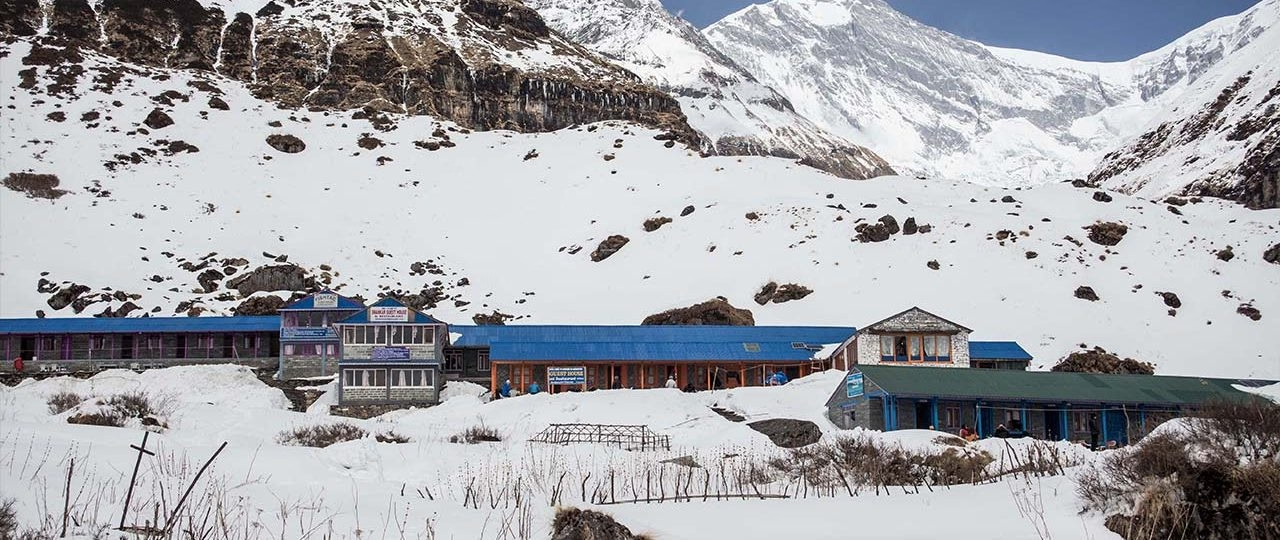
Annapurna Base Camp Trek is one of the most reliable winter trekking options in Nepal. The trail remains accessible, with villages like Chomrong, Bamboo, and Deurali supporting your adventure. Snowfall in the Annapurna Sanctuary is common above Deurali, but the trail rarely becomes impassable, and high passes are not required. Unlike the Annapurna Circuit Trek route, you will not traverse any majorly demanding stretches in this base camp trek.

The overall difficulty of ABC in winter is moderate. You will have to deal with the cold temperatures at the higher altitudes and ABC itself, but daytime walking is comfortable for trekkers with proper gear. The snow accumulation at the higher part of the trail may slow your walking slightly. But it also adds to the dramatic scenery, highlighting Annapurna I, Gangapurna, and Machapuchare across the trail. Annapurna Base Camp Trek in winter is best suited for trekkers who want a full Himalayan experience with moderate altitude exposure. Those seeking solitude, an immersive cultural journey, and breathtaking vistas can truly make the best out of this winter experience.
Ghorepani Poon Hill Trek in Winter
The Ghorepani Poon Hill trek remains one of the safest and most beginner-friendly options for winter treks in Nepal. The route stays below 3,000 meters, so snowfall is minimal, and it rarely affects trail conditions. Villages like Tikhedhunga, Ghorepani, and Nangethanti remain fully operational, and teahouses are easy to book even while trekking in December or January.

Even in the winter season, this lower viewpoint trek is easy to moderate, with short daily walking hours and minimal altitude issues. Although cold mornings and nights are noticeable, they are still manageable, especially for trekkers with standard winter gear. The views of Dhaulagiri, Annapurna South, Nilgiri, and Hiunchuli remain spectacular, particularly at sunrise from Poon Hill. In overall, the Ghorepani Poon Hill Trek in winter is ideal for families, beginners, or anyone seeking a compact winter trekking experience. The comfortable villages, safe trails, and breathtaking scenery will make your Himalayan adventure immersive and comfy. Langtang Valley Trek in Winter
Langtang Valley Trek offers a quieter winter alternative to the Everest and Annapurna regions, with its strong cultural and natural rewards. The Langtang Valley Trek route remains accessible up to Kyanjin Gompa. Though the snowfall becomes heavier beyond Langtang Village, and may cover the main trekking route. Likewise, the higher side routes, like Tserko Ri and Kyanjin Ri, may be partially snow-covered. So, if you are doing these options hikes, you will need to be cautious and wear proper winter footwear.

This trek is moderate to challenging during the winter. The temperatures drop sharply after sunset, and sub-zero conditions are common at Kyanjin Gompa. However, the terrain itself remains manageable if you have some experience in winter conditions and are well-prepared. The Langtang Valley is rich in Buddhist monasteries and local Tamang culture. Winter’s low traffic allows you time for more meaningful village interactions. Langtang Valley Trek in winter is best suited for trekkers who want a high Himalayan experience without the intensity or crowds of Everest or Annapurna. If you are comfortable managing moderate cold and potential snow on the trail, this can be a rewarding trek.
Lower Everest Panorama Trek (Phakding–Namche–Tengboche)
The Lower Everest Panorama treks are perfect for winter trekkers. This way, you will be able to enjoy the Everest views without high-altitude exposure. Starting from Phakding, the trail passes through peaceful villages like Monjo, Namche Bazaar, and Tengboche. At these altitudes, the snow accumulation is minimal, and teahouse support is reliable throughout the route. If you are planning an Everest Panorama Trek in winter, it has overall moderate difficulty.

You will only explore the stretches with well-maintained trails and manageable elevation gain. Still, cold mornings and evenings are present, but they are easier to handle than on the full Everest Base Camp Trek route. The risk of snow on this trek is low, making it suitable for beginners or trekkers with limited time who still want spectacular views of Everest and other surrounding peaks. Everest Panorama Trek in winter is ideal for those seeking a shorter trek with scenic highlights, minimal logistical complications, and a true Everest experience without snow challenges.
Nepal Recreation
Travel specialist sharing firsthand stories, comprehensive trekking guides, and expert advice to help you plan your Himalayan adventures.