- Duration
- 10 days
- Difficulty
- Easy
- Destination
- Nepal
- Activity
- Tour
- Best Season
- Spring and Autumn
- Group Size
- 2-30
- Arrival City
- kathmandu (Tribhuvan International Airport)
- Minimum Age
- 9
- Maximum Age
- 49
Trip overview
Overview
Nepal provides the perfect setting for a student tour with its rich natural beauty, cultural diversity, adventure opportunities and a great deal of history. The ideal blend of Himalayan peaks, elevated hills, ancient temples and vibrant local cultures makes it an enriching experience for young travelers. Accessibility to both urban and rural areas lets students engage in a range of activities that blend education, adventure and personal growth.
Student tours to Nepal give you the freedom to come out of the four walls of your classroom for experiential learning. Everything, from a simple tour of the UNESCO World Heritage Sites in Kathmandu Valley to trekking in the Annapurna or Everest Regions, presents an opportunity to learn. It also allows you to make memories with peers and broaden your horizons.
A student tour to Nepal is more than sightseeing, it is also an immersion into the unique traditions and religions dotting its geography. You can interact with the local communities during your tour and learn about the rural lifestyles of Nepal. Further, the rich heritage of Nepal in its ancient temples, monasteries and festivals offers a cultural lesson that students cannot easily get from the textbooks.
The benefits of student tours in Nepal are not confined to academics only. They help in team building, leadership development and self improvement in students. You will be resilient, confident and self aware by overcoming new environments and challenges.
These tours help uplift your physical health and are a great avenue to be with nature and culture, improve mental well being and give you a feeling of achievement. The diversified lives you will explore during the journey further teach you about awareness and empathy. Eventually, you will have a wider view of the world and an appreciation for the complexities and rewards that are within it.

Major Appeals of Nepal Student Tours
Experience the richness of Nepal’s cultural heritage through visits to old temples, monasteries and historical sites.
Practical experiences and interactive learning in the diverse aspects of Nepal’s landscapes, wildlife and heritage.
Chances to experience a range of adventurous experiences from trekking in the iconic Annapurna region to wildlife sightseeing in the Chitwan National Park.
Exhilarating whitewater rafting in the Trishuli River under the guidance of expert rafters.
The different adventure activities undertaken together as a group help strengthen relationships, leadership and teamwork.
Overcoming challenges in new environments brings about independence, resilience and personal growth.
Enjoy canoeing, jeep safari, birdwatching and visit the local Tharu village in Chitwan National Park.
Opportunity for interaction with local communities and insights into different cultures, traditions, food habits and ways of life at different places. This can be a great cross cultural communication experience for students.
Hiking and other outdoor activities provide health and fitness while offering fun and enriching insights.
As one of the most affordabledestinations, Nepal is an excellent option for student travel groups.
Creating lifelong memories by bonding with peers and enjoying new experiences in a unique setting.
Marveling at the close up panorama of Annapurna, Machhapuchhre, Dhaulagiri, Tukuche Peak, Nilgiri, Himchuli and Dhampus Peak.
Boating in the serene Phewa Lake surrounded by the lush green hills and the majestic snow capped peaks.
Take a morning hike to the stunning vantage point of Poonhill for a magnificent sunrise.
How is Nepal an Ideal Destination for Student Tours?
Rich Cultural and Historical Heritage
Nepal boasts diverse ethnic groups with ancient cultures and religions. The several cultural and historical sites of this country give valuable educational opportunities to the students to learn about its traditions, customs, architecture and spiritual practices.
The trekking phases during the tour provide you with all kinds of opportunities to stay with local families in far flung villages and understand Nepali culture, food habits and ways of life firsthand. Likewise, chances to join in the local events or festivals which fall around the visit will enhance your experience and provide valuable opportunities for cross cultural exchange.

Educational Opportunities
Nepal is steeped in several learning opportunities concerning subjects such as history, architecture, geography and environmental science. Activities for immersion within local schools, cultural exchange and community based tourism build a greater understanding of Nepalese society.
Adventure and Outdoor Activities
Nepal is known worldwide for adventure tourism where students can go for various outdoor activities such as:
Moderate treks in the iconic Himalayan destinations
Rafting in the raging rivers
Jungle activities in National Parks and Conservation Areas
Other adventure sports such as Paragliding, Zip lining, Bungee Jumping etc
All these activities contribute to building teamwork, leadership and resilience.
Affordable Travel
Nepal is relatively more reasonable than most other international destinations for travel. Accommodation, food and transportation are relatively cheap, hence making it very affordable to any school group and students. Affordability can enable you to have a hassle free tour experience without without having to incur too much in costs.
Varied Landscapes
Everything from flat plains in the Terai to towering Himalayan peaks can be found here.
Such variability in ecology and environment means students can gain hands-on experience in understanding biodiversity and study the interdependence of species. It also allows them to develop a deeper appreciation for nature conservation.
Culinary Exploration
Nepali food is varied, flavorful and healthy. During your Nepal Student Tour, you can visit local markets, try street foods and even take cooking classes. You can try some of the most popular dishes: Dal Bhat (lentil soup and rice) MoMo or dumplings, Chatamari (Nepali pancake), Gundruk and Dhindo, Selroti and Thukpa.
It is another way to plunge into Nepalese culture and history through traditional cuisine. Beyond gastronomic adventure, this helps to deepen your understanding of the local food culture and habits.
Scenic Trekking Trails
The picturesque trekking trails in the Himalayas let you see the beauty of snow capped peaks, deep valleys, lush forests and remote villages. These treks also offer opportunities for team building, resilience and personal development. Moreover, staying with mountain families allows you to have authentic cultural experiences and gain a deeper understanding of everyday life and morals.
A Hub for Spiritual Learning
Nepal is considered one of the most important destinations for spiritual and meditation retreats. Visits to holy sites such as Swayambhunath, Pashupatinath, Boudhanath, Gosaikunda Lake, etc, enable students to learn about philosophy, meditation and mindfulness practices. These sites are also helpful in exploring universal themes of peace, compassion and spiritual growth, which makes Nepal an excellent destination for personal introspection.
Friendly and Welcoming People
The people of Nepal are smiley and charming. They welcome all visitors with heartfelt hospitality. International students in Nepal are made to feel welcome by the warm embrace of the friendly locals.
Nepali people are often coming forward to help, eager to share their culture and make you feel at home. Your student tours will be immensely educational, enjoyable and interactive with the open and kind nature of the residents. You can always feel safe, comfortable and connected with the local community.
Art, Craft and Architecture Learning
Art and architecture have their roots in the tradition of Nepal, reflected in the ancient temples, stupas and palaces. Students will be taken on a study visit to Patan Durbar Square, Bhaktapur Durbar Square, Boudhanath Stupa and many other architectural heritage sites in Nepal during the tour. This will help in understanding minute details about wood carvings, traditional artistic displays and local craftsmanship. It is also a good chance for students to know about the symbolic meanings behind the designs.
Furthermore, students can get first-hand experience by visiting local workshops where artisans practice their traditional crafts, such as thangka painting, metalwork, pottery and weaving.

An Overview of Our 12 Days Nepal Student Tour Package
Our 12 days Nepal student tour itinerary allows students to explore this wonderful nation in all its historical, natural and adventure splendor. From the lively city streets to the tranquil Himalayan landscapes, Nepal presents a striking blend of excitement, serenity, exploration and learning. Sightseeing of a number of UNESCO listed World Heritage Sites extends you a hearty welcome to Kathmandu. This guided city tour allows you to experience the culture and history of Nepal while making you appreciate the diverse heritage it owns.
Even more exciting will be the rafting the students will make over the Trishuli River. This exciting outdoorsy whitewater rafting adventure blends adrenaline pumping rapids and stunning natural scenery and provides you with an experience to remember forever. Later on, we will head to the lake city of Pokhara, which offers spectacular mountain views and calming boating over serene Phewa Lake.
On the other hand, the Ghorepani Poon Hill trek is a good opportunity for students to come out of their comfort zone and challenge themselves physically and mentally. Passing through remote mountain hamlets and forests adorned with wildflowers will give you ample chances to connect deeply to nature and cultural diversity and understand rural life in the Himalayas. At the same time, you will be able to develop teamwork and interpersonal skills. Moreover, an unforgettable sunrise from Poon Hill facing the ranges of Annapurna fills you with awe and memories.
Further ahead, the journey to Chitwan National Park and the whole day of jungle activities, including wildlife safaris, bird watching and cultural interaction with the local Tharu community, is something truly rewarding. It is with memories hard to forget, lessons learned and a newfound sense of adventure that students leave Nepal after returning to Kathmandu at the end of our wonderful Nepal Student Tour.
Itinerary
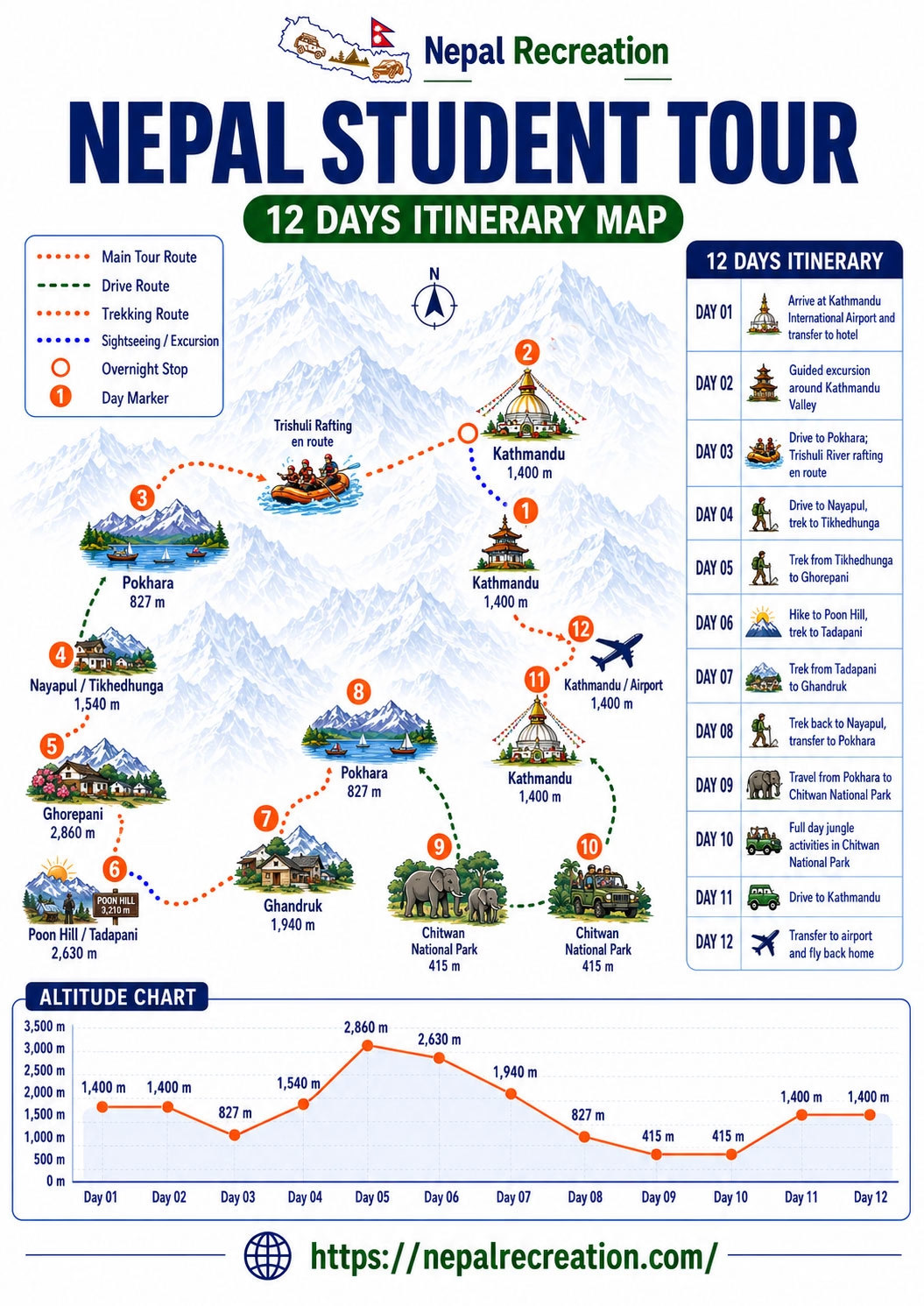
DAY 1:Arrive at the Kathmandu International Airport and Transfer to Your Hotel.
Kathmandu Elevation: 1,400 meters
After customs and immigration are cleared upon arriving at the Tribhuvan International Airport, you will be welcomed by our cordial tour representative. He would guide you with luggage and smoothly transfer you from the airport to the hotel somewhere nearby.
This will give you great exposure on the drive to your hotel to the bustling streets of Kathmandu, with all local markets and shops.
Arrive at the hotel, check in and take some time for rest and refreshments. In the afternoon, an arrangement will be made to have a welcome dinner at a hotel to taste traditional Nepali food. Here, you will meet other fellow traveler students as well as a tour guide who will accompany you throughout the trip.
DAY 2:Entire Day of Guided Excursion Around Kathmandu Valley.
Today, you will take a whole day exploration of the Kathmandu Valley UNESCO World Heritage Sites with a local city guide who will detail every location you visit. In the morning, the tour starts by visiting Swayambhunath Stupa where you will get to know about the religious and historical importance of this Buddhist heritage.
We will then visit the Pashupatinath Temple. It is one of the holiest Hindu temples in Nepal. Here, you will witness sacred rituals and cremation rites along the Bagmati River and gain insights into Hinduism and its deities. Our next destination will be the Boudhanath Stupa, an important pilgrimage site for Tibetan Buddhists. You will better understand Tibetan Buddhists’ practices, the stupa’s significance in its mandala design and more after visiting Bouddhanath.
Finally, we will explore the three requisite historical durbar squares of the valley: Kathmandu Durbar Square, Bhaktapur Durbar Square and Patan Durbar Square. The traditional architecture of these Royal Palaces and their importance in politics and religion in Nepal’s history will be explained to the students.
After the completion of a day long city excursion, we will transfer you to your hotel for an overnight stay.
DAY 3:Drive From Kathmandu to Pokhara. Thrilling Rafting Adventure in Trishuli River En Route.
Pokhara Elevation: 822 meters
Drive Distance: around 200 kilometers
Drive Duration: 7 to 8 hours
On day 3 of the Nepal student tour itinerary, we will take a fascinating drive from Kathmandu to Pokhara, having great views of Nepal’s countryside. You will see the typical rural Nepalese lifestyle and spectacular landscapes of rolling hills, dense forests, cascading streams and waterfalls etc on the way to the drive.
En route we take a detour at the Trishuli River for rafting in its thrilling rapids. The Trishuli River offers students an opportunity to feel the adrenaline rush of rafting while being in the midst of stunning verdant hills and forests. Thereafter we will continue our drive to Pokhara through the beautiful route of the Prithvi Highway.
Pokhara awaits with the serene lakes and breathtaking views of the Annapurna Mountain Range. After reaching this beautiful city we will transfer you to your hotel to unwind and enjoy a good night’s sleep.
DAY 4:Drive to Nayapul, Then Begin Trekking Towards Tikhedhunga.
Nayapul Elevation: 1,070 meters
Drive Distance: around 42 kilometers
Drive Duration: 2 hours
Tikhedhunga Elevation: 1,480 meters
Trek Distance: 10 kilometers
Trek Duration: around 4 hours
From Pokhara, we will take a scenic drive towards the starting point of our Ghorepai Poon Hill Trek, Nayapul. After reaching Nayapul, we will begin on the route heading towards Tikhedhunga.
You will hike on a gentle ascent trail bypassing traditional hilly villages dotted with terraced fields and traversing thick forests and several small streams. The guide will share information about the unique culture, wildlife and landscapes of the region. In the evening, you will reach Tikhedhunga which has a few small and decent lodges where you can spend your time in comfort.
DAY 5:Continue the Trek From Tikhedhunga to Ghorepani.
Ghorepani Elevation: 2,874 meters
Trek Distance: 10 to 11 kilometers
Trek Duration: 5 to 6 hours
The trek today will take you through thick forests of rhododendrons, charming villages, terracing fields and suspension bridges while offering great mountain scenery. It is a day of gradual ascent, allowing you to stop and enjoy the spectacular scenery en route.
The walk continues through traditional Gurung and Magar villages with firsthand information on culture and way of life. On the way, you will be able to see the famous Ulleri Steps, which is a steep climb on more than 3,000 stone steps.
By the time you reach Ghorepani you are awarded the impressive view of the Annapurna and Dhaulagiri. This village is a perfect place to spend your time enjoying the views and recharging for the next day’s adventure.
DAY 6:Early Morning Hike to Poon Hill for Panoramic Views, Trek to Tadapani.
Poon Hill Elevation: 3,210 meters
Tadapani Elevation: 2,630 meters
Trek Distance: 13 to 14 kilometers
Trek Duration: 6 to 7 hours
The day starts with a dawn hike to Poon Hill. It is one of the most famous viewpoints in the Annapurna region. You will see the first ray of sun falling on the snow capped peaks of the Annapurna, Dhaulagiri and Machapuchre mountains. After soaking in the breathtaking sunrise, we will descend to Ghorepani for lunch before setting off on a trek toward Tadapani.
The trail winds through the lush forest of rhododendrons and oak trees, small villages and up and over a ridge. Enjoying the glimpses of the mountains now and then we will trek forward and finally reach Tadapani where you can rest and relax for the night.
DAY 7:Trek From Tadapani to Ghandruk.
Ghandruk Elevation: 2,012 meters
Trek Distance: 6 to 7 kilometers
Trek Duration: 3 to 4 hours
Leaving Tadapani, the trail descends gradually through oak, bamboo and rhododendron forest with stunning views of the surrounding mountains and valleys. Passing through colorful terraced fields and several quaint local settlements with glimpses into the traditional lifestyle of the Gurung people, you will reach Ghandruk.
The views of the Annapurna, Gangapurna and Machapuchare from this charming Gurung village will certainly amaze you. After arrival and check in at the guesthouse, consider going for a village walk. Visiting the local Gurung Museum and interacting with the friendly people will give you better insights into their culture and daily life.
DAY 8:Back to Nayapul by Trekking, Then Transfer to Your Hotel in Pokhara.
Trek Distance: 10 to 11 kilometers
Trek Duration: 5 to 6 hours
This is the final day of your trek. After breakfast in Ghandruk, your trek back to Nayapul begins along the fascinating downhill trail via lush landscapes and traditional villages. Reaching Nayapul, it would be time to return to Pokhara riding a private jeep with your friend’s group. After arriving in Pokhara, you can take a stroll around its quiet surroundings or spend leisure time at your hotel.
DAY 9:Travel From Pokhara to the Chitwan National Park.
Chitwan National Park Elevation: 100 meters to 850 meters
Drive Distance: approximately 150 kilometers
Drive Duration: 5 to 6 hours
From Pokhara, we will take a picturesque drive through captivating landscapes and rural villages to Chitwan National Park. It is a natural UNESCO Site in the Terai lowland region with diverse ecology and wild lives.
As you get closer to Chitwan, the captivating beauty of the flat agricultural lands, dense woods and varied vegetation greets you. Upon arrival at the National Park Area, check in at a Safari lodge that is meant for your overnight stay and relax.
In the evening, you can enjoy the Tharu cultural program with traditional dance, music and feast, all reflecting the rich heritage and customs of this indigenous community.
DAY 10:Full Day Thrilling Jungle Activities in Chitwan National Park.
The day starts with an early morning safari (on the jeep or elephant’s back) of the park to spot different fauna, including the rare one-horned rhinoceros and the Royal Bengal tiger. Accompanied by a trained naturalist, you will venture into the dense forests, grasslands and riverbanks to learn more about the rich biodiversity and other conservation aspects of the park.
Afternoon activities include birdwatching tours or nature walks. After that, you will enjoy a canoe ride down the calm Rapti River to observe crocodiles, water birds and other aquatic life. You will also take a local tour at Tharu Museum or at a nearby Tharu Village and learn all about the culture, customs and daily life of the native people.
The day ends at the elephant breeding center of the park for an education on what conservation efforts are being undertaken in Nepal for elephants. The park provides unforgettable moments where wildlife is experienced together with the culture.
DAY 11:Drive to Kathmandu.
Drive Distance: around 150 kilometers
Drive Duration: 5 to 6 hours
You will drive back from Chitwan to Kathmandu today with scenic views of rural villages, terraced fields, green hills and winding roads. After arriving in Kathmandu, you will have time to spend at your hotel or you can visit the bustling Thamel area for souvenir shopping or buying gifts.
There is a farewell dinner for all our members in the evening, which we would like you to be a part of. There it goes a perfect ending to an amazing Nepal student tour from Kathmandu.
DAY 12:Transfer to the Airport to Fly Back Home.
On the last day of your stay in Nepal, our staff members will pick you up from your hotel and drive you to the airport to bid you farewell. This last day’s transfer to the Tribhuwan International Airport will be to catch a return flight home. As you fly home, the unforgettable memories of your adventure blended with cultural, educational and thrilling experiences will also go with you.
We are very much delighted to wish you a nice and safe journey back home for further sharing with your family the experience and stories with you in this beautiful country.
Looking to Customize This Trip?
We curate bespoke private itineraries tailored to your dates, preferences, and luxury requirements.
Cost breakdown
What's included
Accommodation: Hotels in Kathmandu, Pokhara, and Chitwan (twin-sharing), and teahouse stays during the trek.
Transportation: Private vehicles for all transfers, including airport pick-up/drop-off and trek start/end points.
Meals: Breakfast in Kathmandu and Pokhara; full-board meals (breakfast, lunch, dinner) during the trek and in Chitwan.
Guides and Staff: Professional English-speaking tour guide, trekking guide, and porters.
Permits and Fees: Trekking permits (ACAP, TIMS), Chitwan National Park entry, and UNESCO Heritage Site entry fees.
Activities: Jungle safari, canoeing, Tharu cultural program, and guided sightseeing in Kathmandu and Pokhara.
Safety Equipment: First aid kit and insurance for guides and porters.
What's not included
International Flights: Airfare to and from Nepal.
Nepal Visa Fees: Obtainable upon arrival at Tribhuvan International Airport.
Meals in Kathmandu and Pokhara: Lunches and dinners, except the welcome and farewell dinners.
Personal Expenses: Beverages, snacks, laundry, and phone calls.
Optional Activities: Paragliding, zip-lining, and other add-ons not mentioned in the itinerary.
Travel Insurance: Mandatory for trekking, covering emergency evacuation and medical expenses.
Tips: For guides, porters, and drivers.
Miscellaneous: Extra accommodation due to unforeseen delays or itinerary changes.
Dates & Prices
Select start date
Prices are per person on a twin-share basis. Departures are limited, especially during peak season.
Choose Your Departure Date
Run Nepal Student Tour privately for your group on any date that suits you.
No date selected yet — pick a start date from the calendar.
Trip map
Useful information
More Info
Local Cuisine to Try on Your Nepal Student Tour
The rich and diverse food culture of Nepal is something that no student can miss during their tour. The local cuisine of the country varies much with its geography, climate and cultural heritage, which makes it very exciting for any student to experience authentic flavors.
Here are some must-try dishes during your Nepal tour:
Dal Bhat
It is a traditional Nepalese meal composed of lentil soup (dal) and rice (that) accompanied by other side dishes like pickles, vegetables, curries and curd. This dish is nutritious and hearty and is usually taken by the Nepalese two times a day.

Momo
These are either steamed or fried dumplings filled with vegetables or meat. Momo is one of the popular snacks or appetizers among the people of Nepal. It is served with a spicy dipping sauce. This can be an ideal dish for students to enjoy between sightseeing tours or trekking breaks.
Thukpa
It is a delicious noodle soup consisting of vegetables, meat and various spices. This hot delicacy is highly suitable for warming up while trekking in cold mountainous areas. It is also quite ideal during chilly winter evenings in Kathmandu or Pokhara.
Sel Roti
Sel roti is a sweet, ring-shaped rice doughnut fried to perfection. Having a crunchy exterior and a soft interior, sel roti can be the favorite food for students during any local market exploration or village tour.
Chatamari
Also known as ‘Nepali pizza,’ Chatamari is a traditional dish from the Newar community. It is a rice-crepe top with various ingredients, mainly minced meat, vegetables and eggs.
Chiya or Nepali Tea
It is a common drink in Nepal, which is available in different varieties like black, milk, honey, lemon and spices like ginger, cardamom and cinnamon. It is a warm beverage generally taken during breaks. Chiya can be taken by students while mingling with the people or on leisurely walks around beautiful spots.

Cultural Exploration During Your Nepal Tour
Nepal student tour packages are designed to explore culture which is beneficial for students who want to know the rich heritage of the country in detail. From ancient temples and stupas in the Kathmandu Valley to unique traditional attire in rural villages, Nepal offers ample opportunity to analyze the depth of culture.
The UNESCO World Heritage Site visit in Kathmandu offers students an in depth learning of Nepalese culture and history. Actually, these are beyond architectural marvels where students will come to observe traditional rituals and spiritual practices related to both Hinduism and Buddhism. The students will walk through ancient streets knowing about the cultural importance of these ancient monuments. They will also have the opportunity to communicate with local artisans who continue to preserve traditional art forms like wood carving and metalwork right in the middle of the city.
In Pokhara, the cultural immersion becomes softer and calmer. Phewa Lake provides an ideal setting for quiet observation of local life. The boat ride on the lake with the local boatmen and meeting with the fishermen add to your cultural experience.
Chitwan on the other hand, lets you learn about the untampered culture and way of life of the Tharus. The traditional customs, folk songs and colorful dances of these indigenous communities provide you with a unique cultural experience.
The Ghorepani Poonhill trek through the villages of Gurung and Magar will let you experience the traditional homesteads, customs and hospitality that define Nepali village life. On the route, you will be able to understand agricultural practices, religious beliefs and festivals followed by the people living in these far flung areas.
Natural Experiences During Your Nepal Student Tour
Your student tour to Nepal combines breathtaking natural landscapes and immersive outdoor activities. The city excursion of Kathmandu provides a dramatic backdrop from the lush hills and far off Himalayas surrounding the valley. Natural experiences are further immersive as the tour shifts to Pokhara. The rewarding boating experience in the picturesque and tranquil Phewa Lake while being surrounded by the grand views of the glorious Annapurna Range is simply magical.
Rafting in the Trishuli River provides a thrilling adventure on the tour. While the students navigate through the rapids, they will see the surrounding beautiful river valleys, forests and hills. The adrenaline of white water rafting in pulsating rapids and the serenity of the landscapes offer a balanced experience of nature’s contrasting energies.
The Poon Hill trek will have students walking through dense forests, quaint villages and terraced fields while observing how people live in harmony with nature. You will see how natural elements contribute toward shaping people’s lifestyles, traditions and customs. The attractive natural highlight of this part of the journey is the dramatic sunrises over the Himalayas from the vantage point of Poon Hill.
In Chitwan, you will be in the tropical lowlands of Nepal, which has a rich biodiversification. The UNESCO site of Chitwan National Park lets you have thorough explorations of its dense forests, wide grasslands and marshy wetlands. Animals like rhinoceroses, tigers, elephants and many species of birds can be spotted in their natural habitat.

What to Pack for Your Nepal Student Tour?
Firstly, you will be requiring a backpack to keep your stuff in for trekking and day trips around the cities. The diverse geography and altitude mean varied weather throughout Nepal. You will need light and airy clothing in cities like Kathmandu, Pokhara and Chitwan. But once you go up high, it typically gets cold, so thermal layers, lightweight windcheaters and rain gear are must-haves. For trekking, you also need reliable trekking poles, a sturdy pair of hiking shoes and clothes made of quick-dry fabric. Not to mention comfortable sandals or shoes meant for laid-back outings in the cities.
The sun can be very strong especially as you ascend to more alpine zones. Hence, include accessories such as sunglasses, a wide brimmed hat and sunscreen with a high Sun Protection Factor (SPF). Carry a refillable water bottle to keep yourself hydrated and small snacks to stay energized during the trips. Insect repellent sprays would be useful while trekking in rural villages or during jungle activities in Chitwan.
Bring your passport, visa and insurance papers that are usually required for travel. Carry a camera or smartphone to capture the breathtaking scenery and do not forget extra batteries and power banks to keep them active throughout the journey. For personal hygiene bring basic toiletries like toothbrushes, toothpaste, wet wipes and hand sanitizer. Similarly, a small first aid kit, including medications for altitude sickness, headaches and stomach upsets, can be helpful.
Other essentials include a travel-sized laundry detergent for washing clothes in remote areas without access to laundry facilities. Besides, cash in Nepali rupees, student ID and emergency contact information are necessary to have access to funds, identification and a quick way to reach help if needed in case of any unexpected situations.
What Students Say Who Visited Nepal With Us?
Sophia From the UK
“I had never imagined a tour could be so enriching. Nepal gave me just the right mix of learning about its rich history and culture amidst the vivid beauty of nature. Every moment was an adventure, from trekking up Poon Hill to exploring the UNESCO World Heritage Sites in Kathmandu. The local guides were very knowledgeable and I felt completely safe during the whole tour. The food was great and so was the cultural interaction with the local families and artisans!
Liam From the USA
“The Nepal trip was nothing short of amazing! I loved rafting in the Trishuli River. The rush of the rapids was intense but the views were spectacular. Visiting Pokhara and serene Phewa Lake was a great way to unwind. Interaction with the Tharu community in Chitwan and Gurung and Magar people in the Annapurna region was so friendly and immersive. This trip was an eye-opener and something I will cherish forever.”
Arjun From India
“This tour was a very good way to get in contact with nature and culture and have practical learning experiences. Visiting temples and monuments of Kathmandu was very interesting and the skill of the artisans impressed me. Visiting Chitwan was a highlight as I had never been on a jungle safari before. It was a great thing to see the wildlife in their natural environment. The overall tour was a mixture of learning, adventure and fun. The local people were so warm and welcoming. They made me feel at home.”

You May Also Like:
Travel Tips for Students Visiting Nepal
Be sure to have Nepali rupees in your pocket, especially while traveling outside of the major cities like Kathmandu and Pokhara.
The weather in Nepal can significantly vary from place to another. Pack warm layers for cold mountain areas and light and breathable clothing for warmer lowlands.
Always carry a water bottle and drink plenty of water.
Nepal is a very culturally diversified country. Pay respect to the customs and traditions of the local people. Always ask for permission before clicking photo of people or religious places.
Get travel insurance that covers medical expenses and urgent cancellation of the trip.
Purchasing a local sim card for calls and data will be useful.
Better to learn a few basic phrases in Nepali which adds to your interaction with the locals.
Be aware of altitude sickness symptoms while trekking and try to ascend slowly, stay hydrated and rest when necessary.
Avoid narcotics and caffeine that dehydrate the body and make you vulnerable to altitude sickness and other accidents.
If you start feeling symptoms like headaches, nausea or dizziness, immediately inform your tour guide for timely medical assistance.
Be prepared for basic accommodations and facilities and just enjoy the simplicity of life in the remote trekking regions.
Follow safety instructions, wear proper gear and go only with experienced operators on treks, rafting or jungle safaris.
Choose a certified and trusted tour operator for a smooth and secure experience.
Keep your valuable items safe and secure at all times.