Kathmandu to Pokhara: Bus, Flight & Private Car Compared
Traveling from Kathmandu to Pokhara is one of the most popular journeys in Nepal, connecting the country's busy capital with a lakeside destination known for Himalayan scenery, outdoor adventures, and relaxed holiday experiences. Whether you are planning a short vacation, a family trip, or an Annapurna trekking adventure, choosing the right transportation can make a significant difference to your travel experience.
There are three main options to consider: a tourist bus, a domestic flight, or a private car with a driver. A bus is generally the most economical choice, a flight saves the most travel time, and a private car offers flexibility and direct hotel-to-hotel transportation. Each option has different costs, advantages, and limitations.
This guide compares the Kathmandu to Pokhara bus, flight, and private car options in detail, covering road distance, travel time, estimated fares, comfort, safety considerations, booking advice, and the best choice for different types of travelers.
Key takeaways
Kathmandu and Pokhara are about 200 km apart by road, mainly along the Prithvi Highway.
A tourist bus is usually the cheapest option and takes around 6 to 9 hours.
The flight takes about 25 to 30 minutes, but airport transfers and weather add to the total journey.
A private car with a driver costs more but gives hotel-to-hotel pickup and flexible stops.
Choose the bus to save money, the flight to save time, and a private car for comfort and flexibility.
Kathmandu to Pokhara: Distance and Travel Overview
Kathmandu and Pokhara are approximately 200 kilometres apart by road, although the exact distance depends on the starting point, destination, and route. The main road journey generally follows the Prithvi Highway through river valleys, hills, and settlements before reaching Pokhara.
Although the distance may seem short, road travel can take much longer than expected because of traffic, roadworks, weather, and highway conditions. Flying is considerably faster in the air, but airport transfers and check-in time must also be considered.
Travel detail | Information |
Starting point | Kathmandu |
Destination | Pokhara |
Approximate road distance | Around 200 km |
Tourist bus journey | Approximately 6 to 9 hours or longer |
Private car journey | Approximately 5 to 8 hours or longer |
Flight duration | Around 25 to 30 minutes in the air |
Tourist bus cost | Approximately NPR 800 to 2,500 per person, one way |
Private car cost | Approximately NPR 10,000 to 20,000 per vehicle, one way |
Flight cost | Varies by airline, passenger category, date, and availability |
Best for budget travelers | Tourist bus |
Best for saving time | Flight |
Best for flexibility | Private car |
All road times and transport prices above are indicative planning estimates, not guaranteed schedules or live quotations. Actual conditions and fares can change.
Kathmandu to Pokhara by Bus
Taking a bus is a popular way to travel from Kathmandu to Pokhara because it is generally more affordable than flying or hiring a private vehicle. Several types of buses serve the route, including tourist coaches, deluxe buses, and local services.
Tourist buses are often convenient for visitors because they usually have designated departure points, reserved seats, and planned rest stops. Local buses may cost less, but they can involve more stops, crowded conditions, and less predictable arrival times.
Kathmandu to Pokhara Bus Travel Time
A tourist bus generally takes around 6 to 9 hours, depending on traffic, road conditions, stops, and the departure time. During busy travel periods, road construction, or adverse weather, the journey can take longer.
Most travelers prefer daytime departures because they can see the river valleys, hills, terraced farmland, and roadside settlements along the route. However, the scenery depends on weather and visibility.
Kathmandu to Pokhara Bus Ticket Price
The price depends on the bus category, operator, seat type, travel date, and booking method.
Bus type | Estimated one-way fare per person | Best suited for |
Local bus | NPR 500 to 900 | Budget travelers familiar with local transport |
Standard tourist bus | NPR 800 to 1,500 | Budget-conscious visitors |
Deluxe or air-conditioned tourist coach | NPR 1,200 to 2,500 | Travelers seeking more comfort |
These are approximate ranges. Confirm the actual fare, departure location, luggage allowance, and arrival point before purchasing a ticket.
Advantages of Traveling by Bus
Usually more affordable than a flight or private car
Suitable for solo travelers and couples
Tourist coaches may offer reserved seating and scheduled breaks
Daytime travel provides opportunities to enjoy the countryside
No need to arrange a private driver
Disadvantages of Traveling by Bus
Travel time depends heavily on highway conditions
Fixed departure and arrival points may require additional taxis
You have limited control over rest stops
Crowded services may be less comfortable
Long journeys can be tiring for travelers with young children or mobility concerns.
Who Should Choose the Bus?
A tourist bus is a good choice if you want to keep transport costs low and have enough time for the journey. It is particularly practical for backpackers, independent travelers, and visitors who do not mind spending most of a day traveling overland.
If comfort matters but you do not want to pay for a private vehicle, compare deluxe tourist coaches before booking.
Kathmandu to Pokhara by Flight
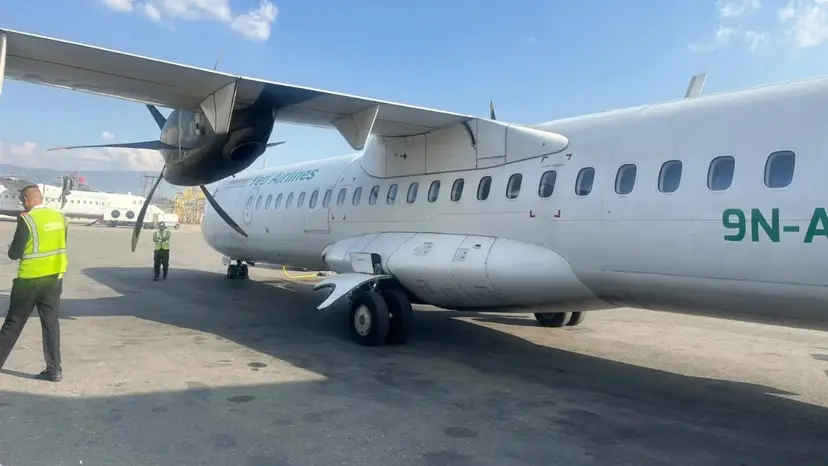
Flying is the fastest way to travel between Kathmandu and Pokhara. The flight takes approximately 25 to 30 minutes, making it attractive to travelers with limited holidays, visitors connecting to other destinations, and trekkers who want to save time.
Domestic flights operate between Tribhuvan International Airport in Kathmandu and Pokhara Airport. Flight frequency, fares, and availability depend on the airline and travel date.
For current route information and booking options, check Buddha Air's Kathmandu to Pokhara flight page.
Kathmandu to Pokhara Flight Time
Although the flight itself takes only around 25–30 minutes, the complete journey takes longer.
You should account for:
Travel from your Kathmandu hotel to the airport
Airport check-in and security
Possible schedule changes or delays
Baggage collection after landing
Transport from Pokhara Airport to your hotel
For planning purposes, allow approximately 2–3 hours or more from central Kathmandu to your accommodation in Pokhara, depending on transfers and airport conditions.
Kathmandu to Pokhara Flight Cost
Flight fares vary according to the airline, booking date, seat availability, passenger category, and seasonal demand. Nepali, Indian, and other international passengers may have different fare structures.
Rather than relying on an outdated fixed price, compare fares for your exact date and check the baggage allowance, cancellation conditions, and change fees before paying.
Advantages of Flying
The shortest travel time between the two cities
Less time spent on the road
Convenient for short holidays
Useful for travelers who want to preserve time for sightseeing or trekking
Mountain views may be visible in clear weather
Disadvantages of Flying
Usually more expensive than taking a bus
Weather can delay or cancel flights
Airport transfers add to the overall journey time and cost
Baggage limits may affect travelers carrying trekking equipment
A disrupted flight can affect onward plans
Is the Kathmandu to Pokhara Flight Worth It?
Flying is often worth considering when time is your main priority. If you have only a few days in Nepal, saving several hours can give you more time to explore Pokhara.
However, flight schedules can be affected by weather and operational conditions. If you have an important international flight, trekking departure, or fixed appointment, leave a suitable time buffer instead of relying on a tight connection.
Kathmandu to Pokhara by Private Car
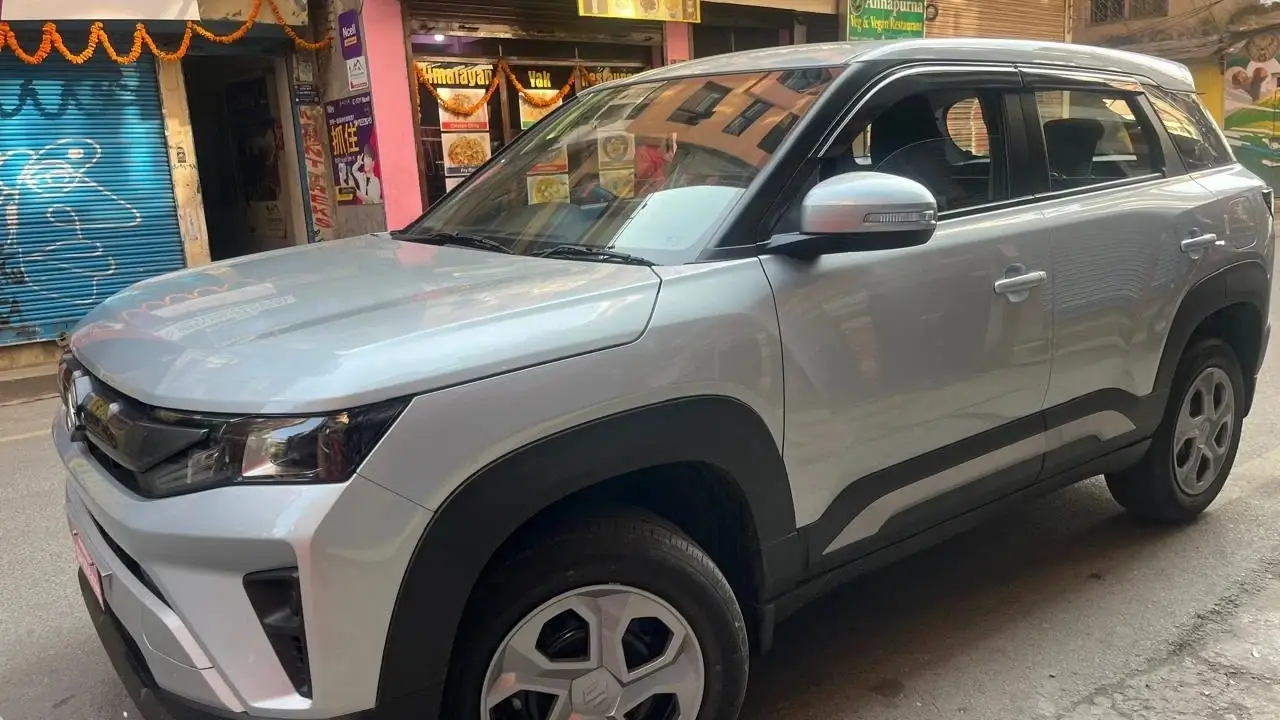
Hiring a private car with a driver is a convenient option for travelers who want greater control over their journey. Unlike a bus, a private vehicle can collect you from your hotel and take you directly to your accommodation in Pokhara.
This option is especially useful for families, small groups, older travelers, and visitors carrying bulky luggage. You can arrange your departure time in advance and request reasonable stops for meals, refreshments, or sightseeing.
Kathmandu to Pokhara Private Car Cost
The cost depends on the vehicle type, number of passengers, season, departure location, and whether the booking is one-way or return.
Vehicle type | Indicative one-way cost per vehicle | Best suited for |
Standard private car | NPR 10,000 to 15,000 | Couples and small groups |
SUV or larger vehicle | NPR 13,000 to 20,000 | Families and travelers with extra luggage |
Larger van or customized vehicle | Quotation required | Larger groups |
These are broad budgeting estimates rather than confirmed market rates. Ask for a current quotation and clarify whether fuel, driver expenses, parking, tolls, and any additional waiting time are included.
Advantages of a Private Car
Direct pickup and drop-off at your accommodation
Flexible departure time
Greater privacy and personal space
Freedom to request suitable breaks
Convenient for families, groups, and travelers with luggage
Easier to adjust the journey around individual needs
Disadvantages of a Private Car
Higher total cost than a bus
Road delays still affect travel time
The cost may be less economical for a solo traveler
Extra sightseeing stops may increase the price
Vehicle quality and driver experience vary between providers
Is a Private Car Better Than a Bus?
A private car is generally better for convenience, privacy, and flexibility, while a bus is usually better for keeping expenses low.
For example, a private vehicle costing NPR 15,000 would work out to NPR 3,750 per person if four travelers shared the fare, before any additional expenses. The same vehicle may be expensive for one traveler but reasonable for a group that values a direct transfer.
Before booking, confirm the vehicle size, passenger capacity, luggage space, driver's experience, and final drop-off location.
Bus vs Flight vs Private Car: Complete Comparison
The best transportation option depends on your budget, available time, travel companions, and tolerance for delays.
Factor | Tourist bus | Flight | Private car |
Approximate travel time | 6 to 9 hours or longer | 25 to 30 minutes in the air | 5 to 8 hours or longer |
Typical cost level | Low | High | Medium to high |
Departure flexibility | Limited | Based on airline schedule | High |
Comfort | Depends on bus category | Comfortable for the short flight | Private space and flexible stops |
Scenic experience | Roadside hills and river valleys | Aerial views when visibility permits | Road scenery with optional stops |
Luggage | Depends on operator | Airline baggage limits apply | Depends on vehicle capacity |
Weather-related risks | Road delays or closures | Flight delays or cancellations | Road delays or closures |
Best for | Budget travelers | Time-conscious travelers | Families and groups |
Which Option Is Cheapest?
The bus is generally the least expensive choice, particularly for solo travelers. Local bus services may cost less than tourist coaches, but comfort, travel time, and convenience can differ.
Which Option Is Fastest?
The flight is the fastest in terms of travel time between the cities. However, airport transfers and check-in should be included when comparing the complete journey.
Which Option Is Most Comfortable?
A private car provides the most control over departure time, stops, and direct transfers. Flights reduce road travel but require airport procedures and may be disrupted by weather.
Which Option Is Best for Families?
Families often appreciate the convenience of a private car, particularly when traveling with children, older relatives, or several bags. A flight may be preferable if reducing travel time is more important than cost.
Kathmandu to Pokhara Route: What to Expect by Road
The overland journey generally follows the Prithvi Highway, connecting the Kathmandu Valley with Pokhara through the hills and river valleys of central Nepal.
The road trip can be scenic, but it is important to remember that this is an active transport corridor rather than a guaranteed sightseeing route. Traffic, roadworks, weather, and local conditions can affect where and when you can stop.
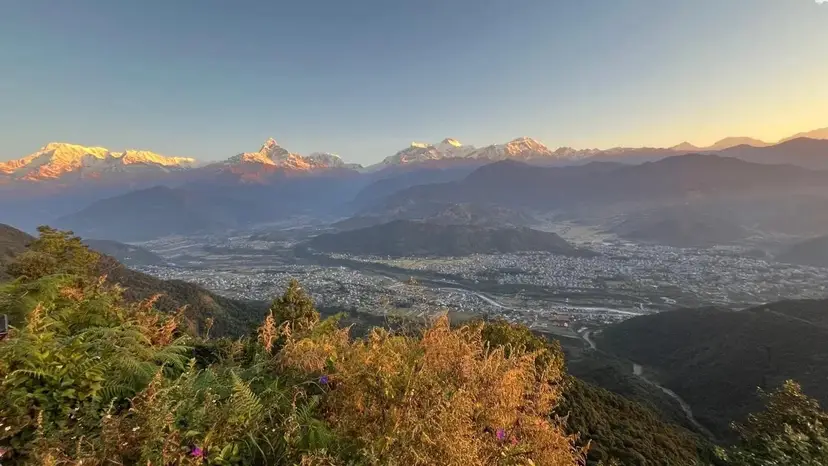
Kathmandu to Mugling
After leaving Kathmandu, the route heads west through the surrounding hills toward the Trishuli River corridor. Traffic can be busy near the city and on sections where road construction or other delays are taking place.
Mugling to the Pokhara Road Junctions
The journey continues through river valleys and settlements, with changing landscapes and occasional roadside viewpoints. Conditions vary along the route, so avoid assuming that the drive will follow a fixed timetable.
Arrival in Pokhara
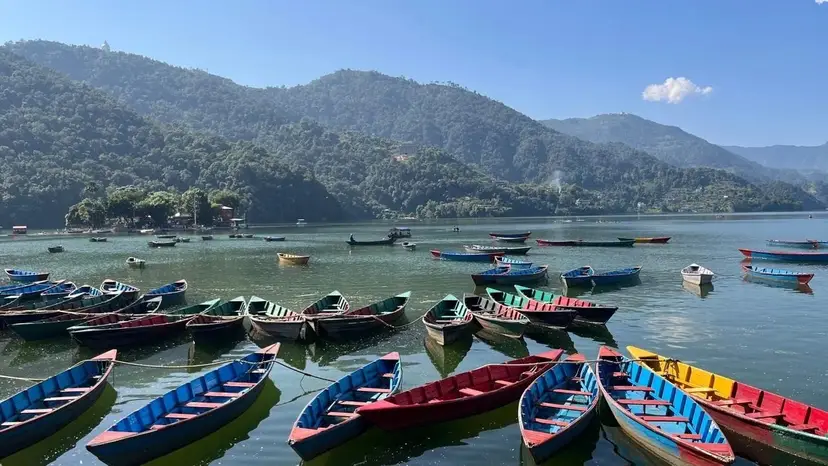
After reaching Pokhara, travelers continue to their hotel or preferred destination. Lakeside is a common accommodation area, but the final transfer time depends on traffic and the location of your hotel.
If you want to stop for sightseeing, discuss the plan with your driver before departure. A longer stop can make the journey more enjoyable but may also extend travel time and increase the transport cost.
Can You Stop at Manakamana Temple on the Way?
Manakamana Temple is a popular Hindu pilgrimage destination in Gorkha, reached by cable car from Kurintar. It can be considered as an optional stop on a private road journey between Kathmandu and Pokhara, provided the route, timing, and cable car operation allow.
The official Nepal Tourism Board guide to Manakamana Temple provides information about the temple and its cable car access.
Is It Worth Adding to Your Journey?
A stop may be worthwhile if you are interested in religious sites and have enough time. However, visiting the temple involves more than simply pulling over beside the highway: you must allow time for the cable car, possible queues, the temple visit, and returning to your vehicle.
For travelers taking a tourist bus, a separate visit may be difficult because the bus follows a fixed schedule. If Manakamana is a priority, a private vehicle or a separately planned excursion is usually more practical.
Confirm the cable car's operating status and allow additional time before making the stop part of your itinerary.
Best Time to Travel from Kathmandu to Pokhara
Spring (March to May) and autumn (September to November) are popular seasons for traveling from Kathmandu to Pokhara. Spring offers generally pleasant conditions for road journeys, sightseeing, and outdoor activities, while autumn often brings clearer skies and better mountain visibility. Transport and accommodation may be busier during major holidays and peak trekking periods, so booking ahead is recommended.
Winter (December to February) brings cooler mornings and evenings, and fog or poor visibility can sometimes affect road journeys and flight schedules. Travel is still possible, but checking conditions before departure is important. Monsoon (June to August) brings heavier rainfall, which may affect road conditions, cause delays, and disrupt flights due to poor visibility. Travelers during this season should allow extra time and remain flexible with their plans.
Kathmandu and Pokhara are accessible throughout the year, but the best travel time depends on your schedule and weather preferences. Before leaving, confirm current road conditions or flight status, and avoid tight connections with onward transport or activities. During unsettled weather, keeping a flexible itinerary can help reduce the impact of unexpected delays.
How to Book Kathmandu to Pokhara Transport
Booking the right transport begins with deciding how much time you have and how much flexibility you need.
Booking a Tourist Bus
Compare bus categories, departure locations, arrival points, seat availability, and luggage rules. Book ahead during busy travel periods and keep your ticket details accessible.
Booking a Flight
Compare available departure times and the total fare for your passenger category. Check baggage limits and the airline's rules for changes, cancellations, and disruptions.
Booking a Private Car
Request a written quotation that specifies the vehicle type, passenger capacity, pickup and drop-off locations, and included expenses. If you want to visit Manakamana or make other stops, agree on the plan and any additional charges before the journey.
What Should You Confirm Before Paying?
Exact departure date and time
Pickup location and final destination
Total fare and included services
Luggage allowance or vehicle capacity
Cancellation and change conditions
Contact details for the transport provider
Backup arrangements if a flight or road journey is disrupted
Avoid choosing transport solely on the lowest advertised price. A slightly more expensive option may provide a more suitable departure time, better luggage arrangements, or a more convenient drop-off.
Practical Tips for a Smooth Journey
Leave enough time. Road journeys can take longer than expected, so avoid planning important activities immediately after your estimated arrival.
Choose the right departure time. Daytime bus and car journeys allow you to see the countryside and may make it easier to take suitable breaks.
Pack essentials in your day bag. Keep medication, identification, valuables, snacks, water, and charging equipment accessible.
Prepare for motion sickness. If you are sensitive to winding roads, consider appropriate precautions and choose a seat that suits you.
Check current conditions. Roadworks, heavy rain, and other disruptions can affect the route. Ask your transport provider for updates before departure.
Keep valuables secure. Use appropriate luggage storage and keep important documents and valuables with you.
Allow flexibility for flights. Weather-related disruptions can affect departure times. Avoid tight onward connections and consider keeping a buffer day if your wider itinerary is time-sensitive.
Respect local road safety. Use seat belts where available and choose reputable transport providers. Do not pressure a driver to travel faster than road conditions safely allow.
Nepal Recreation
Travel specialist sharing firsthand stories, comprehensive trekking guides, and expert advice to help you plan your Himalayan adventures.