Chasing Rhododendrons: Why Spring Is the Absolute Best Time to Trek in Nepal
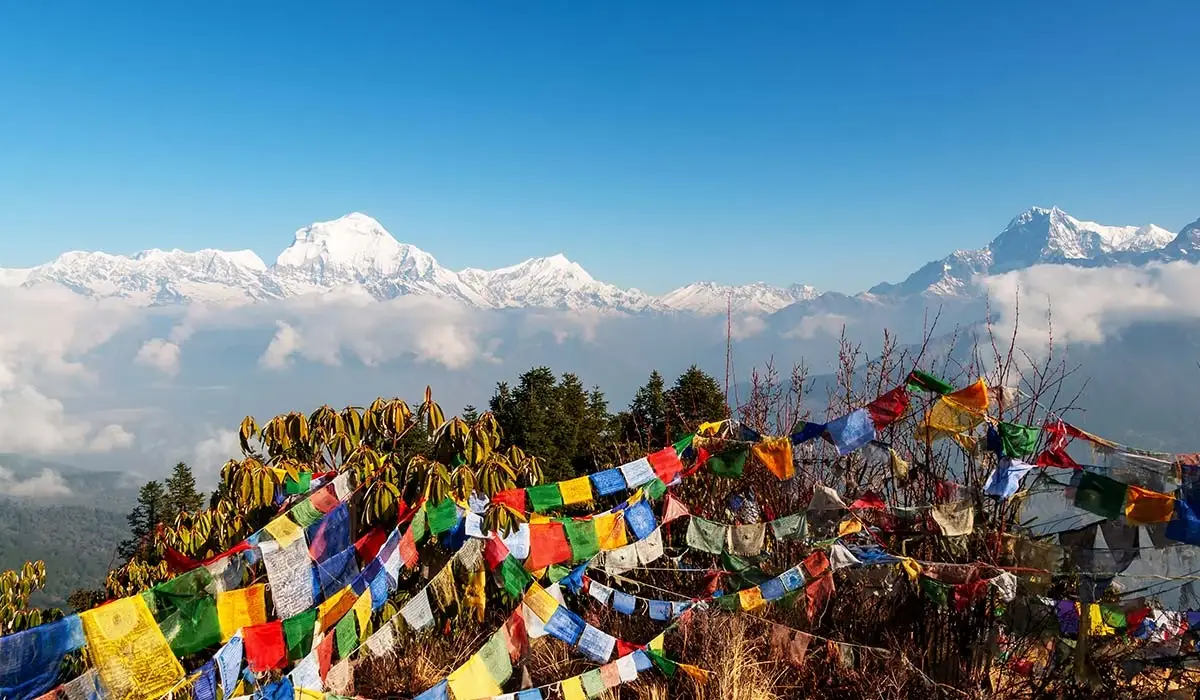
Imagine walking beneath a canopy of blooming red, pink, and white rhododendrons, with snow-capped Himalayan peaks rising above the forest. That’s the magic of spring trekking in Nepal. From March into May, the hillsides turn colorful with rhododendrons and other wildflowers, and the Himalayas stand clear above them in the morning light.
Nepal is famous for its towering mountains and legendary trails. Trekking in the spring season offers you a different side of the Himalayas. Surrounding hills turn green, colorful rhododendron forests bloom, mountain villages become lively, and trails offer incredible views of nature.
Whether you are planning to trek the Annapurna Trail, take a peaceful journey to Langtang, or take on a challenging adventure in the Everest region, spring offers plenty of reasons to go.
Let's explore why spring is one of the best times to trek in Nepal and where to go to experience its magic.
Key takeaways
Spring (March to May) brings blooming rhododendron forests, stable weather, long walking days, and clear morning mountain views.
Rhododendrons flower first in the lower hills in March, peak at mid elevations (about 2,500 to 3,500 m) in April, and reach the higher slopes in late April and May.
Ghorepani Poon Hill, Mardi Himal, Langtang Valley, the Everest region and the Manaslu region are among the best treks for rhododendron season.
April is the busiest month, so book popular routes 3 to 4 months in advance.
Start walking early: mornings are clearest, and afternoon clouds and showers become more common toward May.
Why Is Spring the Best Time to Trek in Nepal?
Spring, from March to May, is the best season to trek in Nepal. This season is generally best for trekkers who want to explore blooming, colorful rhododendron forests with stable weather, long walking hours, and magnificent mountain scenery.
After the winter months, the Himalayan landscapes awaken gradually. The forest gradually regains its lush green appearance, wildflowers begin to bloom, and colorful rhododendrons cover the hills, making it look like a painting. Start walking early and you’ll still get the clear mountains. Mountain visibility becomes less reliable later in the day, so by mid-morning you should be on your second cup of tea.
Here are some of the biggest reasons to plan your Nepal trek during spring.
Colorful Rhododendron Forest
Pleasant Trekking Temperatures
Spectacular Himalayan Views
Longer Daylight Hours
Lively Mountain Communities
Incredible Photography Opportunities
When Do Rhododendrons Bloom in Nepal?
Rhododendron, locally known as Laliguras, is the national flower of Nepal and one of the most beautiful features of the mountain landscapes. During spring, forests in the lower hills flower first, usually in March, and higher slopes follow through April and into May. Exact timing shifts every year with winter snowfall and spring temperatures.
Nepal has roughly 30 rhododendron species, and the colours run from deep red to pale pink, white and creamy yellow at higher elevations. Some are trees taller than a house. Others are knee-high shrubs hugging rocky ridges above 4,000 metres.
Elevation Band | Typical Bloom Window | What You’ll See |
|---|---|---|
Lower hills, about 1,500 to 2,500 m | March to early April | Tall laliguras trees in red and pink |
Mid elevation, about 2,500 to 3,500 m | April | Dense forest in red, pink, and white; the sweet spot for most trekkers |
Higher slopes, about 3,500 to 4,200 m | Late April to May | Smaller shrub species in white, pink, and cream |
Which Nepal Treks Are Best for Rhododendron Season?
Nepal offers numerous trekking destinations, but some routes are particularly beautiful during the spring season. Here are some destinations worth considering if you want to combine Himalayan adventure with the beauty of the blooming season.
Ghorepani Poon Hill Trek
The 4-6-day Ghorepani Poon Hill Trek is one of the best choices for experiencing the rhododendron blooming season. Located in the Annapurna region, this trek takes you through charming local villages of Gurung and Magar, lush forest, terraced farmland, and stunning mountain landscapes.
Poon Hill Short Trek 3 Days
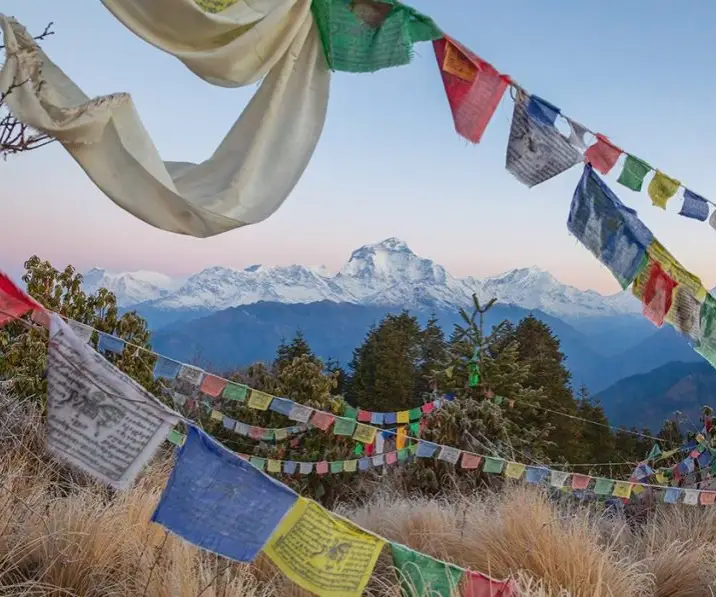
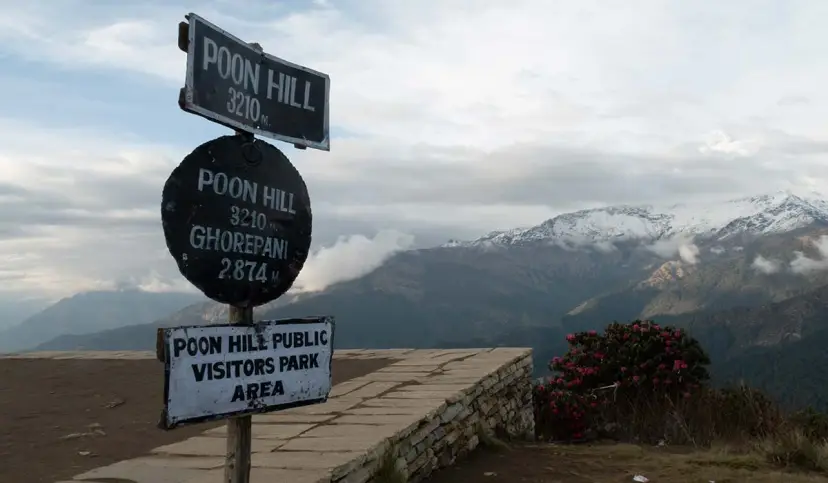
View detailsThe trail climbs stone steps and forest above Ulleri toward Ghorepani, and the rhododendrons crowd both sides of the path. Wake at 4 a.m. for sunrise at Poon Hill (3,210 m), and you’ll see Dhaulagiri and the Annapurna range above the forest canopy. It’s short, so it suits first-timers and anyone with a tight schedule.
Mardi Himal Trek
The 5-7-day Mardi Himal Trek offers a quieter trail passing through dramatic Himalayan landscapes and lush forest of rhododendron and pine. As you gain elevation, the landscape changes gradually, offering incredible views of the Himalayas, surrounding hills, and valleys.
Spring brings colorful seasonal blooms to suitable forest sections, while the higher trails offer impressive views of Machhapuchhre, Annapurna South, and the surrounding Himalayan peaks.
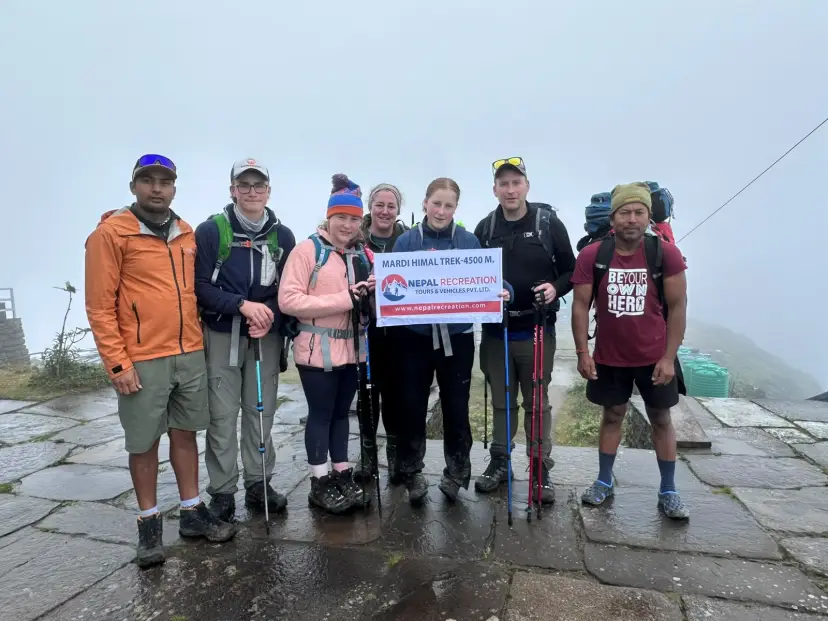
Mardi Himal Trek 5 Days
View detailsLangtang Valley
The 7-10-day Langtang Valley trek is an accessible trekking destination near Kathmandu and offers an incredible combination of natural beauty, cultural experiences, and Himalayan adventure.
The lower sections of the trail follow a forest trail, where you’ll see colorful blooms of rhododendrons and other wildflowers in spring. As you trek higher, the landscape gradually changes into a dramatic Himalayan valley surrounded by mountains.
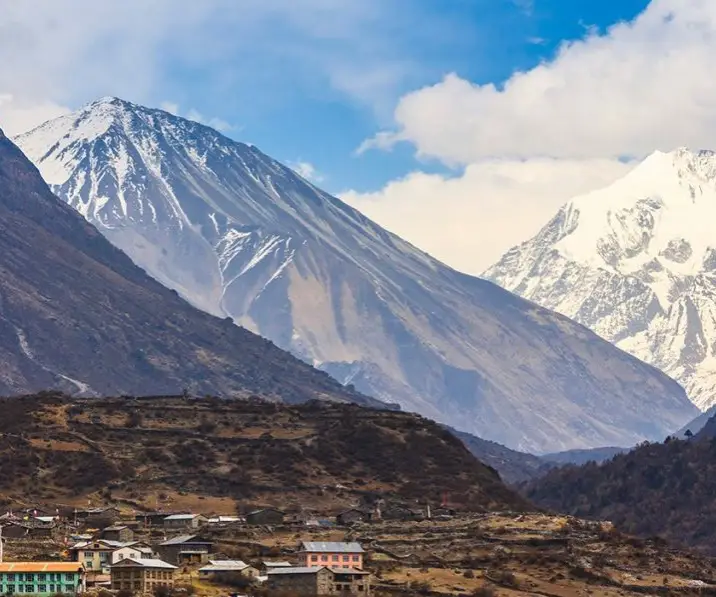
Langtang Valley Trek
View detailsEverest Region
The Everest region is one of Nepal’s most iconic trekking destinations, and trekking in spring is a bonus. Although the region is renowned for its dramatic Himalayan giants, the extensive rhododendron forest along the lower-elevation route looks stunning.
On the way up, the forests around Tengboche (3,860 m) turn pink and white with Ama Dablam rising behind them. This trail is longer and higher than the other treks, so it asks for proper acclimatization.
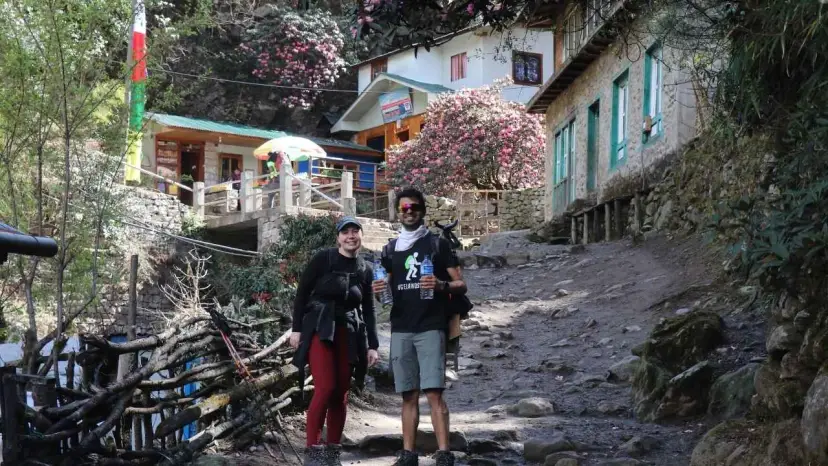
Manaslu Region
If you want a quieter trail and to experience the raw natural beauty of remote Nepal, the Manaslu Region Trek is perfect for you in spring. The trek takes you through diverse landscapes, including lush forest, traditional settlements, alpine terrain, and spectacular scenery of the Himalayas.
Manaslu’s forested lower and middle valleys deliver colorful forest trails with picture-perfect views of the Himalayas. It’s a demanding trek over the Larkya La pass (5,106 m), so it suits experienced walkers.
Trek | Typical duration | Best for |
|---|---|---|
Ghorepani Poon Hill | 4 to 6 days | First-timers and short schedules |
Mardi Himal | 5 to 7 days | Moderate, quieter alternative |
Langtang Valley | 7 to 10 days | Quieter trails, forest and valley scenery |
Everest Region | 12 to 14 days | Big-mountain views and expedition atmosphere |
Manaslu Region | 14 to 18 days | Experienced trekkers wanting remote trails |
Note: The itinerary days depend on your preferences, so plan accordingly.
What’s the Weather Like on a Spring Trek in Nepal?
Spring is one of the most favourable seasons to trek in Nepal. Temperatures are warmer, walking on the trail is comfortable, visibility is good, the sky is clear, and the Himalayan scenery makes the journey worth it.
Above 4,000 metres, nights are freezing in March and still cold in May. Mornings are your clear window, so plan your day around them. Short afternoon showers or hail aren’t unusual, especially in late April and May. Carry a light waterproof and keep walking.
What Is the Best Month for Spring Trekking in Nepal?
Spring generally lasts from March to May, but each month offers a slightly different experience.
March: The Beginning of Spring
The first signs of spring appear in March with flowers on lower-elevation hills between roughly 1,500 and 2,500 metres. Early stages of the popular Ghorepani Poon Hill trekking route are illuminated by flowering red rhododendron trees. Quieter than April, booking trekking lodges in March is less stressful.
It is also cold at higher elevations during March. Nighttime temperatures can reach well below freezing at elevations above 4,000 metres, and there can still be some snow on trails at those elevations. In higher altitude regions, the spring flowering has not yet begun. It is best to choose shorter, lower-altitude treks during March, especially if you prefer quiet trekking to bright flowering treks.
April: The Best Month for Rhododendron Lovers
April is probably the best time of the year for spring trekking. Rhododendrons are in full bloom, especially the red, pink, and white blossoms on mid-elevation trekking routes at altitudes of about 2,500 to 3,500 metres. April generally offers ideal conditions, with long, clear, sunny days.
This is the busiest time for mountain treks as well. Mount Everest climbers and teams begin their journeys for the season at the base camps, causing most trekking lodges along the routes to get booked up. If you are going on one of the popular treks, plan and book your travel at least 3-4 months in advance.
May: The Final Chapter of Spring
With the onset of the later part of the spring season, May brings more flowers to the higher trekking routes. More flowering plants start blooming in the alpine and high-alpine trekking routes in the mountains. Flowering alpine plants tend to be white and cream with some pink, while lower mountain valleys begin to get hot and humid. Expect clouds in the late afternoon and an occasional short, light shower with the onset of the pre-monsoon season.
Choose May for trekking high-altitude mountain trails. The mountain vistas may be obscured, but trekking is far quieter. Pack some light rain gear and plan for early start times. May is typically your final window to trek before the arrival of the early monsoon rains.
Spring or Autumn: Which Is Better for Trekking in Nepal?
Choose spring if you want flowers, longer days, and warmer nights. Choose autumn if you want the sharpest mountain views and the most settled skies.
Factor | Spring (March to May) | Autumn (September to November) |
|---|---|---|
Scenery | Blooming rhododendrons and fresh green hillsides | Clean air, golden terraces and post-monsoon green |
Mountain views | Clear mornings, cloudy afternoons | Typically the crispest views of the year |
Temperatures | Warmer, especially at low and mid elevations | Cooler, with cold nights above 4,000 m by November |
Crowds | Busy, with Everest climbing season in full swing | Typically the busiest season |
Best for | Flower lovers, photographers, warm-weather walkers | Views-first trekkers and high-pass crossings |
So, which season do you choose?
If you want to walk through colorful trails and enjoy clear views of the Himalayas, surrounding hills, and valleys, spring is the best option for you.
If your main priority is crystal-clear views of the Himalayas and generally stable weather conditions, then autumn may be the right choice for your adventure.
Whichever season you choose for a trek in the Nepal Himalayas, you’ll experience the same beauty of the mountains, dramatic landscapes, authentic culture, and warm hospitality of the locals.
How Can You Enjoy a Rhododendron Trek Without Rookie Mistakes?
Preparation is key when undertaking a rhododendron trek in Nepal, as it will enhance your experience significantly.
Here is a list of common errors novice trekkers make:
Booking a trekking slot during the incorrect month. Avoid this error by researching when rhododendron forests bloom. Rhododendrons bloom at different times depending on the altitude and the region's climate. Usually, April is best, though March and May are also good times to see rhododendron blossoms.
Lack of understanding about high altitude. Although it is springtime, the climate at high altitude is freezing. As you trek, pay close attention to your body and look for symptoms of altitude sickness, and make sure to include acclimatization days on your schedule.
Packing insufficient clothing. Warm springtime temperatures make trekking light tempting, but don't forget the early morning and late-night temperatures. Bring clothing that you can layer, and include a jacket, rain protection, and trekking shoes.
Trekking late in the day. Afternoons are typically cloudy with occasional rain as we approach May. To make the most of the mountains, try to get on the trail as early as you can.
Leaving accommodation until the last minute. Because rhododendron trekking is popular in April, it is better to plan in advance and make reservations for your accommodation, if possible.
Assuming that there will be flowers at all elevations and at all times of the year. Rhododendrons grow at particular elevations and flower at different times, so before starting your trek, research the expected flowering times along your chosen path.
Failing to respect the environment. Do not leave your garbage on the trail, do not destroy or pick rhododendron flowers, and only stay on the trail.
What to Pack for a Spring Trek in Nepal
Packing for spring is easier than for winter, but the weather still swings between cold mornings, warm afternoons and cold nights. Layers work better than heavy clothing.
Clothing
Two moisture-wicking thermal tops
One or two pairs of thermal bottoms for higher villages and evenings
Fleece jacket or lightweight insulated layer
Lightweight down or synthetic insulated jacket
Waterproof and windproof shell jacket
Two pairs of quick-dry hiking trousers
Waterproof trekking trousers or rain trousers
Long-sleeve hiking shirts for sun and wind protection
Comfortable evening wear for the teahouse
Wool or fleece beanie, and a sun hat or cap
Insulated or fleece gloves
Neck gaiter or buff
Personal Hygiene
Toothbrush and toothpaste
Quick-dry towel
Biodegradable soap and body wipes
Hand sanitiser, wet wipes and toilet paper
Lip balm with SPF and sunscreen
Personal medication and a basic first aid kit
Foot powder, nail clippers and a small mirror
Gear and Equipment
Daypack (20 to 30 litres) with a rain cover
Sleeping bag rated to at least -10°C
Duffel bag
Trekking poles
Reusable water bottles and water purification tablets
Sunglasses with UV protection
Headlamp with spare batteries
Power bank and charging cables
Camera or smartphone, with a dry bag or zip-lock bags for electronics
Accommodation and Food on Spring Treks
Spring brings the most reliable teahouse stays of the year. Trails and supply routes are open, and lodges across the main trekking regions run at full capacity.
Accommodation
Teahouses are open along all the major trekking routes.
Dining rooms are warmer than in the winter months.
Rooms are mostly twin-share; private rooms are limited in peak season.
Bring a sleeping bag even where blankets are provided.
Food
Dal bhat is the most reliable, filling meal on the trail.
Menus also include noodles, fried rice, pasta, soups, potatoes, eggs, and momos.
Breakfasts include porridge, pancakes, Tibetan bread and eggs.
Hot drinks include ginger tea, lemon and honey tea, and coffee.
Seasonal vegetables are easier to find at lower and middle altitudes.
Spring Festivals Along the Trails
Several festivals fall between March and May, and trekkers often meet them simply by walking through villages.
Holi: the festival of colours is celebrated in March across the lower and middle hills, including Pokhara, with music and coloured powder.
Nepali New Year: in mid-April, families clean their homes, dress in traditional clothes, and gather for food and prayers. Teahouses often share the festive mood.
Monastery ceremonies: in the Buddhist mountain regions, local monasteries hold prayers and ceremonies through the season.
Crowds and Challenges on Spring Treks
Spring is one of the busiest trekking seasons, especially in April and early May. Busy trails also mean fully open teahouses, better food choices, and help close at hand. Quieter options include early March, side trails, and walking a day or two away from the main routes.
Changing temperatures: mornings and evenings are cold and afternoons warm, so dress in layers.
Snow up high: early spring, and even May, can bring snow to passes and trails above 3,500 metres, making paths slower and slippery.
Pollen and dust: lower forests and valleys can be dusty or full of pollen; a buff or scarf helps.
Strong sun: clear skies mean strong UV at altitude, so wear sunglasses, sunscreen and a hat.
Altitude: altitude sickness can affect anyone above 2,500 metres, in any season. Climb slowly, include rest days, and drink plenty of water. Water helps, but it does not prevent altitude sickness on its own.
Trail conditions: snowmelt, small streams and muddy patches appear in places; trekking poles help on tricky sections.
Conclusion
Spring brings a special kind of magic to Nepal's trekking trails. April's weather becomes more amenable and is the best time for treks with beautiful rhododendron blooms. March and May offer their own advantages depending on your preferred route and trekking conditions.
Deciding the best time for your trek really depends on where you want to go and what you are willing to deal with, as well as the length of time you can allocate to your vacation.
However, you really can't go wrong if you follow a few guidelines and remember to pack accordingly. Be prepared to be astounded by the wonders of the Himalayas.
FAQs
Which is the best month for trekking in Nepal during spring?
April is generally the best month for spring trekking in Nepal because of pleasant weather, colorful rhododendron blooms, and favorable trekking conditions.
When do rhododendrons bloom in Nepal?
Rhododendrons generally bloom from March to May, depending on altitude, location, and weather. April is particularly popular for viewing flowers in many trekking regions.
Is March a good time for trekking in Nepal?
Yes. March offers relatively quiet trails, pleasant daytime temperatures, and excellent mountain views. However, higher-altitude routes may still have snow and cold conditions.
Is May too hot for trekking in Nepal?
Not necessarily. Lower-altitude regions can become warm, but higher-altitude destinations remain cooler. Afternoon clouds and pre-monsoon showers are possible, particularly later in May.
Which trek is best for rhododendron flowers in Nepal?
The Ghorepani Poon Hill Trek is one of the most popular choices for rhododendron viewing. Mardi Himal and other Annapurna region trails are also excellent options.
Is spring suitable for beginners trekking in Nepal?
Yes. Spring is an excellent season for beginners because many popular routes have favorable weather and established teahouse facilities. Beginners should still choose an appropriate route, trek at a comfortable pace, and allow time for acclimatization on higher-altitude journeys.
Should I book my spring trek in advance?
Yes, especially if you plan to trek in April. Popular routes can become busy, so arranging accommodation, guides, and necessary transport ahead of time is recommended.
Nepal Recreation
Travel specialist sharing firsthand stories, comprehensive trekking guides, and expert advice to help you plan your Himalayan adventures.