Where Can I See the Best Views of Everest Without Technical Climbing?
Mount Everest is the highest mountain on Earth; it rises 8,849 meters above sea level. For many people around the world, Everest represents the ultimate adventure. However, climbing the mountain itself required advanced mountaineering skills, technical equipment, and years of training. The climb also involves serious risks such as avalanches, extreme cold, and altitude sickness. Because of these challenges, only a small number of professional climbers attempt summits every year.
The good news is that you do not need to climb Everest to see its incredible beauty. Nepal offers several trekking routes and scenic viewpoints where travellers can enjoy breathtaking views of Everest without doing any technical climbing. Many of these places are part of the Everest region trekking trails, which are well developed with teahouses, guides, and safe paths. With basic fitness and a sense of adventure, travelers can reach amazing viewpoints and watch Everest rise above the Himalayan skyline.
One of the most famous areas to see Everest is inside Sagarmatha National Park, which is a protected area covering more than 1,148 square kilometers in eastern Nepal. The park is home to several high Himalayan peaks, glaciers, and traditional Sherpa villages. Every year, around 50,000 trekkers visit this region to experience its landscapes and mountain views.
Many visitors prefer routes that provide close views of Everest without technical climbing. Treks such as Everest Base Camp, Gokyo Lakes, and short viewpoints like Nagarkot allow travellers to see the mountain safely while enjoying local culture and nature. These journeys combine adventure, scenery, and cultural experiences in a way that is accessible to most travelers.
In this blog, we will explore the best places where you can see stunning views of Everest without climbing it. From famous trekking trails to easy mountain viewpoints, these destinations show that anyone can experience the beauty of Everest with the right route and preparation.
Why Everest Views Are So Special?
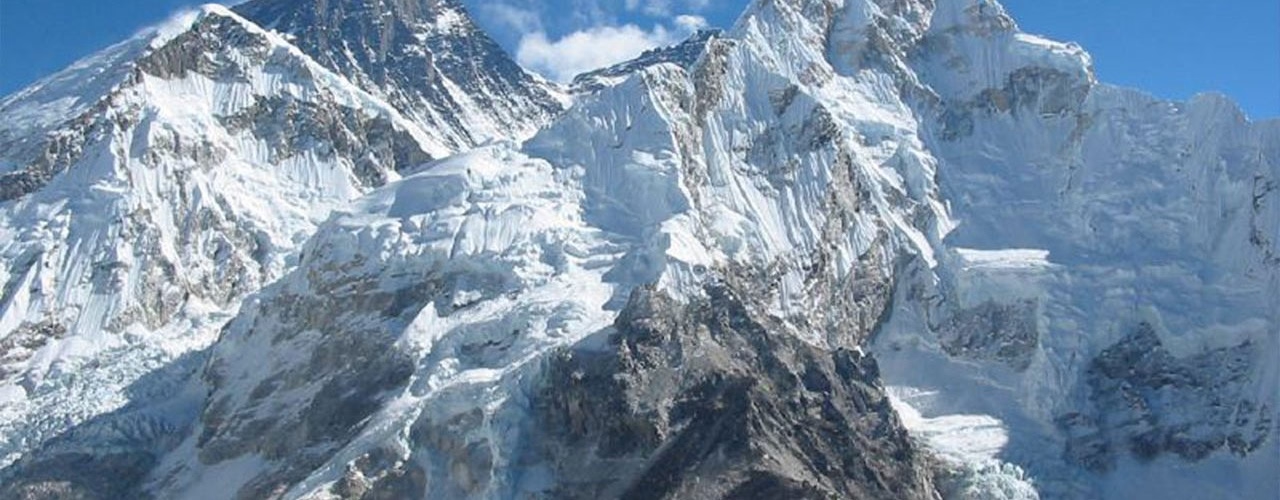
Seeing Mount Everest with your own eyes is a powerful experience. Photographs and videos show its beauty, but standing in the Himalayas and watching Everest rise above the sky feels completely different. The mountain looks massive, silent, and timeless. Its snow-covered summit shines brightly in the morning sunlight, creating one of the most unforgettable views on Earth.
One reason Everest views are so special is the surrounding Himalayan landscape. Everest does not stand alone. It is surrounded by several famous peaks such as Lhotse, Nuptse, and Ama Dablam. Together, these mountains form a dramatic skyline of ice, rock, and glaciers. When trekkers reach viewpoints in the Everest region, they often see many of these peaks at the same time, creating a wide and breathtaking panorama.

Another reason Everest views are unique is the changing light throughout the day. Early morning is usually the best time to see mountains clearly. At sunrise, the golden light slowly touches the summit, turning the snow bright orange and pink. Later in the afternoon, clouds often gather around the peak. Because of this, many trekkers wake up early to enjoy the clear views before starting their day’s walk.
The altitude and open landscapes also make the Everest views more dramatic. In the Everest region, villages like Namche Bazaar sit above 3,400 meters. At this height, the air is thin, and the sky is extremely clear. Mountains appear closer and larger than they do in lower areas. Even though Everest is still many kilometers away, it feels surprisingly near.
If you want to catch clear and unobstructed views of Everest, the best seasons are spring (March to May) and Autumn (September to November). During these months, the weather is stable, and the skies are usually bright blue. These conditions allow trekkers to enjoy the best mountain views without difficult climbing.
Popular Trekking Routes for Non-Technical Everest views
There are several trekking routes where travelers can see amazing views of Mount Everest without doing any technical climbing. These treks follow traditional Himalayan trails used by Sherpa communities for many years. Today, they are well developed with lodges, guides, and safe trekking paths. Most visitors choose these non-technical trekking routes.
Everest Base Camp Trek
The Everest Base Camp Trek is the most famous Himalayan journey. It is one of the best ways to see Everest closely without climbing. The trek normally takes 12-14 days. It covers around 130 kilometers round-trip. The journey starts with a flight to Lukla and passes through Sherpa villages like Namche Bazaar (3,440 m) and Tengboche (3,867 m). The best viewpoint is Kala Patthar at 5,545 meters. It offers one of the closest and clearest views of Everest’s summit, along with surrounding peaks and the massive Khumbu Glacier.
Gokyo Lakes Trek
The Gokyo Lakes Trek is considered one of the most scenic alternatives in the Everest region. This route usually takes 13-15 days. It leads trekkers through the beautiful Gokyo Valley, home to a chain of six turquoise glacial lakes located between 4,700 and 5,000 meters. The highlight is climbing Gokyo Ri (5,357 m), which provides a remarkable 360-degree Himalayan panorama. From the summit, trekkers can see four of the world’s highest mountains, including Everest, Lhotse, Makalu, and Cho Oyu.
Everest Three Passes Trek
For trekkers seeking a longer and more adventurous journey, the Everest Three Passes trek offers the most comprehensive exploration of the region. This route usually takes 18-21 days. It covers roughly 160-180 kilometers. The trail crosses three high mountain passes: Kongma La (5,535 m), Cho La Pass (5,420 m), and Renjo La Pass (5,360 m). These passes provide some of the wildest panoramic views in the Himalayas, allowing trekkers to see Everest, glaciers, valleys, and multiple Himalayan ranges during one journey.
These treks allow travellers to experience the beauty of Everest closely while enjoying the culture, villages, and landscapes of the Himalayan regions. It does not require ropes or climbing equipment, making it the perfect adventure for travelers who want to see Everest up close without technical climbing.

Scenic Helicopter Tours for Everest Views Without Trekking
For travelers who want to see Mount Everest but do not have time for a long trek, a helicopter tour is one of the easiest options. These tours allow visitors to experience the Everest region in just a few hours while enjoying spectacular aerial views of the Himalayas. It is a comfortable and fast way to witness the beauty of the world’s highest mountain without any physical trekking.
Mount Everest helicopter tours start from Kathmandu early in the morning. Clear morning skies usually provide the best mountain visibility. The helicopter flies east toward the Everest region and gradually climbs over hills, rivers, and traditional villages. As the flight reaches a higher altitude, passengers begin to see the snow-covered peaks of the Himalayas.
During the journey, travellers can see several famous mountains such as Lhotse, Nuptse, and the beautiful pyramid-shaped Ama Dablam. The helicopter often flies close to Everest Base Camp and above the massive Khumbu Glacier, giving visitors a rare perspective of the landscape where Everest expeditions begin.
One of the highlights of the tour is a short landing near Kala Patthar. This location offers one of the closest panoramic views of Everest that travellers can experience without climbing. Visitors can step outside, take photographs, and enjoy the dramatic view of Everest rising above the surrounding mountains.
Most Everest helicopter tours last about 3 to 5 hours, depending on the itinerary plans and stop points. These tours are popular among travellers who have limited time, older visitors, or those who prefer a comfortable way to see the Himalayas. It is truly one of the most memorable ways to witness Everest.
Short Viewpoints Near Kathmandu to See Everest
Not everyone needs to travel deep into the Everest region to see Himalayan peaks. There are several viewpoints near Kathmandu where visitors can enjoy distant views of Mount Everest on clear days. These locations are easy to reach by road, and they are perfect for travelers who want a short and relaxing mountain experience without trekking for many days.
Nagarkot
Nagarkot is located about 32 km east of Kathmandu at an elevation of 2,175 meters. It is one of the most famous Himalayan viewpoints in Nepal because it offers an incredible Himalayan panorama on clear days. Visitors can see a long stretch of the Himalayan range, including peaks like Langtang Lirung, Dorje Lakpa, and distant views of Mount Everest. The Nagarkot View Tower provides the highest observation point in the area. It is especially popular for sunrise and sunset photography. Many travelers stay overnight to enjoy the changing mountain colors from morning to evening.

Dhulikhel
Dhulikhel sits about 30 km from Kathmandu at an altitude of roughly 1,550 meters. It offers one of the widest Himalayan viewing corridors in the Kathmandu Valley. On very clear days, visitors can see mountain ranges stretching from Langtang Himal in the west towards the Everest region in the east. The town is known for its peaceful environment, traditional Newari Culture, and scenic ridge trails. Many travelers combine a Dhulikhel visit with short hikes to nearby viewpoints such as the Kali Temple hilltop, which provides unobstructed sunrise views across the Himalayan skyline.
These short mountain trips are ideal for travelers who have limited time in Nepal. They can be completed in a single day or combined with cultural visits to nearby heritage sites like Bhaktapur.
Although the views of Everest from these places are distant, the experience of watching the Himalayan skyline slowly appear in the morning light is still unforgettable. For many visitors, these viewpoints provide a simple and relaxing way to witness the beauty of the world’s highest mountains.
Tips for Experiencing Everest Views Safely
Seeing Mount Everest up close is unforgettable, but the high altitude environment of the Himalayas can be challenging. Even on non-technical treks or helicopter tours, travellers need to prepare carefully to stay safe and enjoy the experience fully. Here are some tips for experiencing Everest views safely:
Acclimatize Properly: Gradually increasing your altitude helps to prevent altitude sickness. Take rest days in villages like Namche Bazaar or Dingboche to let your body adjust. Proper acclimatization ensures you can enjoy the Everest views comfortably without risking your health at high altitudes.
Pack Essential Gear: Bring warm clothes, waterproof jackets, trekking boots, sun protection, and trekking poles. Even in summer, high-altitude temperatures can drop below freezing, so proper gear is essential for comfort and safety during treks or helicopter tours.
Hire Guides and Porters: Local Guides offer navigation, cultural knowledge, and safety support, while porters carry heavy loads. This allows trekkers to focus on the views and conserve energy, making the journey more enjoyable and less physically demanding.
Choose the Right Season: Spring (March- May) and autumn (September- November) offer the clearest skies and stable weather. These months provide the best visibility of Everest and the surrounding peaks by making your trek or viewpoint visit more rewarding.
Photography Tips: Sunrise and early morning light give the clearest mountain views. Use zoom lenses for distant peaks and keep batteries warm, as cold temperatures can drain camera power quickly at high altitudes.
Follow Responsible Tourism: Respect local culture, avoid littering, and stay in eco-friendly lodges. Trek or travel with agencies that focus on sustainable trekking practices that protect the environment and local communities while keeping travellers safe.
By following these simple tips, you can enjoy the Everest views safely and comfortably. Proper preparation ensures that the experience is memorable, breathtaking, and free from unnecessary health or safety risks.

Local Culture and Experiences Along the Everest Trek
Experiencing Everest is not just about the mountains; the Sherpa culture and Himalayan villages add a unique dimension to the journey. Trekkers encounter vibrant communities, traditional architecture, and spiritual sites, making the treks a cultural as well as natural adventure.
Namche Bazaar
Namche Bazaar is known as the gateway to the Everest region. It sits at an altitude of 3,440 meters. It is a lively Sherpa town. Visitors can explore local markets, cafes, and the Sherpa culture museum, learn about traditions, festivals, and daily life in high-altitude Nepal. The town also serves as a circular acclimatization stop, giving trekkers a chance to adjust to the altitude while enjoying panoramic mountain views and interacting with locals.
Tengboche Monastery
Tengboche Monastery sits at an altitude of 3,867 meters. This iconic Buddhist monastery offers not only spiritual experiences but also panoramic views of Everest, Lhotse, and Ama Dablam. Attending morning prayers or festivals like Mani Rimdu provides insight into Himalayan religious life. The monastery’s courtyard is perfect for photography, and the chants create a peaceful atmosphere by allowing trekkers to reflect and connect with local spiritual traditions.
Gokyo Villages and Lakes
Along the Gokyo trek, small villages and turquoise lakes offer a serene environment. Trekkers can observe local farming, traditional houses, and glacial landscapes while enjoying clear mountain views by making it a peaceful alternative to the busier Everest Base Camp trail. The Gokyo Lakes region is quieter than the Everest Base Camp trail, making it ideal for travelers seeking solitude, calm, and an immersive natural experience combined with Sherpa village culture.
Eco-Friendly Lodges
Many lodges in the region follow sustainable practices, reducing waste and energy use. Nepal Recreation emphasizes responsible tourism, encouraging travellers to respect nature and local communities while enjoying their stay. These lodges provide basic comfort, locally prepared meals, and cultural exposure by helping trekkers to reduce environmental impact while supporting Himalayan livelihoods.
Local Cuisine and Hospitality
Sherpa tea houses provide local meals like dal bhat, momo, and butter tea. Friendly hosts make trekkers feel welcome, adding warmth and cultural richness to every stop along the trail. Sampling local dishes gives a taste of Sherpa life, while sharing stories with the hosts enhances understanding of their traditions and mountain lifestyle.
Experiencing these cultural aspects enhances the adventure and connects travellers more deeply with the Everest region. Combining mountain views with local life ensures a memorable and Immersive Himalayan journey.
The Best Way to Enjoy Everest Without Climbing
Experiencing Mount Everest does not require technical climbing. There are numerous ways for travelers to enjoy its grandeur safely and comfortably, from trekking and short hilltop viewpoints to scenic helicopter flights. These options allow visitors of all ages and fitness levels to witness the world’s highest peak without the dangers of mountaineering.
The Everest Base Camp Trek remains the most popular route for non-technical travelers. Trekkers pass through villages like Namche Bazaar and Tengboche while enjoying the breathtaking landscapes along the way. Highlights include panoramic views from Kala Patthar and encounters with Sherpa culture, providing a combination of adventure and cultural immersion. It is a moderately challenging trek that requires basic fitness and acclimatization.

For those seeking quieter trails, the Gokyo Lakes treks offer serene turquoise lakes, glacial landscapes, and spectacular mountain panoramas. Trekkers can climb Gokyo Ri for unobstructed views of Everest and surrounding peaks like Cho Oyu, Lhotse, and Makalu. The journey is less crowded than the Base Camp trail and provides ample opportunities for photography and solitude in nature.
Shorter treks and viewpoints such as Nagarkot and Dhulikhel, or even helicopter tours, provide a convenient way to see Everest for travelers with limited time. These locations offer distant but impressive mountain views, especially at sunrise. Helicopter Tours are ideal for those who want a quick, comfortable, and safe Everest experience while capturing an aerial perspective of the Himalayas.
Ultimately, the best way to enjoy Everest without climbing depends on personal preferences, time, and fitness. Companies like Nepal Recreation provide tailored packages to help travellers explore the region responsibly. Whether through trekking, short hilltop trips, or helicopter tours, anyone can experience the beauty, culture, and majesty of Everest safely, making it a once-in-a-lifetime adventure.
Nepal Recreation
Travel specialist sharing firsthand stories, comprehensive trekking guides, and expert advice to help you plan your Himalayan adventures.