- Duration
- 11 days
- Difficulty
- Easy
- Destination
- Nepal
- Activity
- Tour
- Best Season
- Spring and Autumn
- Group Size
- 2-20
- Transport
- Private Vehicle
- Arrival City
- Kathmandu, Nepal (Tribhuvan International Airport)
- Minimum Age
- 12
- Maximum Age
- 75
Trip Highlight
Capture beautiful snapshots presenting the cultural heritage of Kathmandu, visiting iconic sites like Swayambhunath, Pashupatinath and Boudhanath Stupa.
An opportunity to photograph the temples, ancient buildings, and lively street of Bhaktapur and Patan
Catch Sunrise from Nagarkot and Capture the stunning early morning light illuminating the Himalayan peaks.
Photograph wildlife encounters, including rhinos, elephants and various bird species in Chitwan National Park.
Document the sacred birthplace of Buddha in Lumbini, the Maya Devi Temple and international monasteries.
Capture Pokhara’s Natural Wonders exploring scenic spots like Phewa Lake, Sarangkot Devis Fall and many more.
Visit Bandipur and photograph charming streets and enchanting surrounding mountain ranges.
Trip overview
The Nepal photography tour is an exciting journey designed for enthusiasts who wish to capture stunning landscapes, exceptional landmarks and rich cultural heritage of the region. The country is gifted with enchanting mountain vistas, lush deep valleys, lakes, rivers and hills. In addition, the picturesque villages and vibrant local markets provide a perfect setting for photography.
Photographers can get numerous opportunities to capture diversity in landscape, culture and wildlife. The green forests, peaceful lakes and Himalayan ranges are stunning and offer breathtaking views.
In addition, villages with their traditional architecture and colorful markets present several chances for cultural photography. Likewise, wildlife enthusiasts can take photographs while viewing exotic species at Chitwan National Park.
This tour is unique and custom-made for photography enthusiasts. Photographers can explore the majestic landscapes and capture them with a camera. This exhilarating journey allows you to delve into the beauty and culture of Nepal while building up your skills as a photographer.

Itinerary
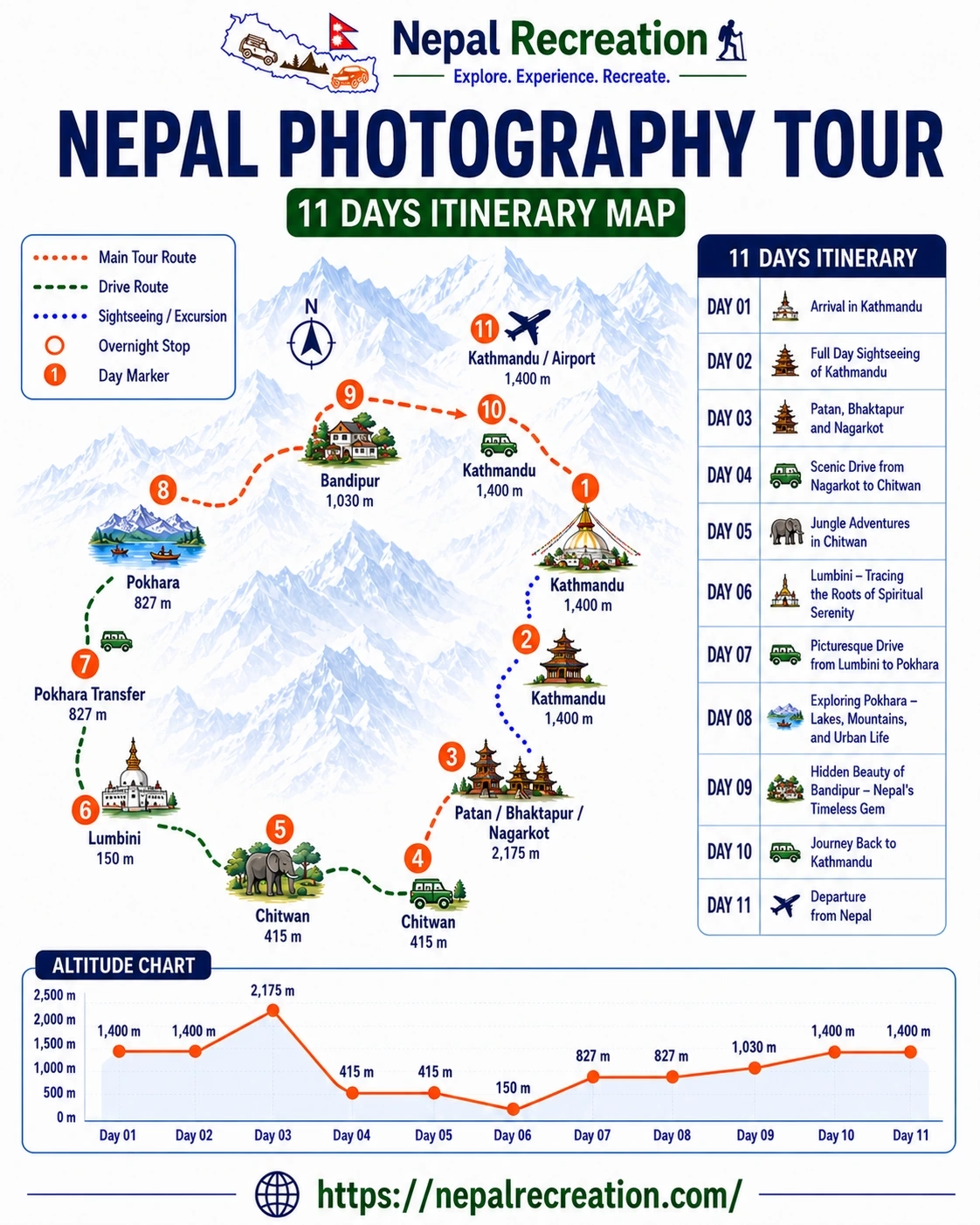
DAY 1:Arrival in Kathmandu: The First Glimpse of Nepal’s Vibrance
Kathmandu Elevation: 1,400 m
After arriving at Tribhuvan International Airport (TIA) in Kathmandu our team will greet and welcome you at the airport. You will be transferred to your designated hotel in a convenient private vehicle. Our team will assist you with check in and help you settle. You can then take your time for a brief rest and refreshments.
In the evening time you can explore the streets of Thamel. This beautiful place is known for its artsy streets. Visitors often describe this place as “work of art” and are fascinated by its immense charm. The atmosphere of the Thamel area is lively and you can capture spontaneous moments in the busy streets and local markets.
This spot is ideal for street photography. You can witness the perfect blend of Nepal’s modern and traditional culture in this area. You can spend your first day roaming around Thamel and photograph vibrant surroundings. This area is perfect for street photography and you can take many aesthetic shots.
DAY 2:Full Day Sightseeing of Kathmandu
On this day you will visit historical sites of Kathmandu Valley. In the morning you will visit Swayambhunath Temple. This sacred site offers beautiful views of Kathmandu Valley. You can use the wide angles to capture Kathmandu Valley’s panoramic views.
After visiting Swayambhunath, the next destination for sightseeing is Boudhanath Stupa. The peaceful ambiance and architecture of this site will fascinate you. This site is perfect for photography. One of the unique aspects of this site is that the area is bustling yet the atmosphere around it is serene. You can roam around the area and capture magnificent snapshots.
The next destination on this day is Pashupatinath Temple. This sacred Hindu site lies on the banks of the Bagmati River. This site’s intricate carvings and stone sculptures offer rich details for close up photography. In addition, you will witness many devotees praying and performing rituals in different areas of temple complex. Exploring these places on 2nd day will offers you several chances to capture unique photographs.DAY 3:A Day of Architectural Marvels – Patan, Bhaktapur, and Nagarkot
On day 3, the first destination you will visit is Patan where you will be rewarded with endless photography opportunities. The beautiful Durbar area, stone carvings and stunning courtyards are the notable attractions of this bustling old city. You can capture the wide-angle to capture the beauty of the Durbar Square area. Likewise, the small details of buildings are stunning, which you can capture through a macro lens. People of diverse ages visit this area, wander around, and sit while watching the artsy buildings.
After Patan, the next destination is Bhaktapur, a city admired for its medieval charm. The ancient temples, traditional houses and square area offer endless chances for photographers to capture aesthetic shots. Likewise, there are numerous rooftop restaurants and cafes where you can capture beautiful temples and vibrant ambiance of surroundings.
Then, the next destination is Nagarkot which is considered best for sunset and sunrise photography. We will head towards this picturesque place before sunset so you can capture the beautiful views from the famous vantage point during this golden hour.
You can use polarizer filter to capture this magical moment. The vantage point of Nagarkot offers expansive vistas during the golden hours and you can capture the most alluring shots enhancing your visual storytelling. Capturing the essence of these places will help you in storytelling about these places visually and showcase their unique beauty to the world.
DAY 4:Scenic Drive from Nagarkot to Chitwan
Chitwan Elevation: 100m to 815m
Drive Duration: 4 to 5 hours
The drive from Nagarkot to Chitwan is exhilarating and scenic. You can witness enchanting views of the diverse landscapes of Nepal, from the tranquil hills to the beautiful flat lands of the Terai region. You will pass through terrace farms, traditional villages and enchanting local markets on the highways. In addition, during this joyful and picturesque road journey, you can capture the beautiful hills, forests, traditional and modern settlements and vibrant local markets. You can use the fast shutter speed to freeze motion to capture the changing sceneries through a moving vehicle.
When you arrive in Chitwan, you will witness the beauty of the green Terai Region and the area’s rich biodiversity. You may spend the evening around teh Rapti River area and capture the fascinating sunset shots. The vibrant ambiance of the flatlands of Nepal blended with serene waters allows you a chance to click the magical snapshots of Nepal. For the night, you will stay at one of the finest hotels in Chitwan and get the much required rest.
DAY 5:Jungle Adventures and Wildlife Photography in Chitwan
Day 5 is one of the most exciting days of this tour as on this day. You will get chances to do wildlife photography and explore the culture. You will visit Chitwan National Park and begin photography with a morning safari.
This is an ideal time to capture wildlife in the area. It is recommended to use a zoom lens because it is essential to maintain a safe distance from animals while taking their shots. In addition, the morning lights are considered best for capturing shots of animals from a distance. However, it is important to note that you capture them quietly while not disturbing their natural behavior. More than 700 species of wildlife can be found in Chitwan National Park. Your next adventure is taking a canoe ride along the Rapti River, an exhilarating and unique way to witness the wildlife. You can take shots of crocodiles basking on the riverbanks or beautiful birds on the tranquil trees.
In addition, you can also capture the beautiful surrounding landscapes during the canoe ride. Afterward, you can observe and document the Tharu culture through village tours. You may walk around the traditional homes and take shots of people engaged in the ancient crafts.
Documenting the interesting stories about the locals and their rich history is one of the most intriguing facts of the photography tour. Likewise, you may also attend the Tharu cultural program to witness the vibrant costumes, traditional tunes and rituals and enchanting stick dance. The cultural program creates opportunities for exceptional photographic captures.
DAY 6:Lumbini – Tracing the Roots of Spiritual Serenity
Lumbini Elevation: 150 m
Drive Duration: 4 to 5 hours
Your destination on 6th Day of the Photography Tour is Lumbini. You will drive through picturesque plains, quaint villages and green farmlands which offers ample opportunity to capture Nepal’s lush landscapes. Lumbini is the sacred birthplace of Lord Buddha. After arriving in Lumbini you can explore Maya Devi Temple, a UNESCO World Heritage Site. The site is renowned for offering a serene atmosphere. You can click pictures of the surroundings and the sacred Bodhi tree and pond.
In this beautiful place, you can see architectural styles representing the monasteries of countries worldwide. You can shoot detailed close up images or use wide angle shots to capture their grandeur.
Aim to shoot in the late afternoon or early morning the next day. However, it is a sacred place, so it is essential to respect the spiritual significance of the place. You can present the reflection of the spirituality of this destination through your photographs.
DAY 7:Picturesque Drive from Lumbini to Pokhara
Pokhara Elevation: 822 m
Drive Duration: 7 to 8 hours
The road trip from Lumbini to Pokhara is a scenic drive through Nepal’s diverse and picturesque landscapes. It can take about 7 to 8 hours in total. During the road journey you can witness and capture the vibrant tapestry of natural beauty, beautiful traditional and modern buildings and local markets.
As you approach Pokhara the landscape changes. You can witness the green hills and the snow capped peaks of the Annapurna range in the background providing you with the perfect opportunity for photography. You can showcase the greenery of Pokhara by using a wide angle lens to capture the beautiful hills and snowy peaks. One of the most fascinating aspects of this city is that every spot is scenic and you can capture the wonders of this place from each place.
You may visit the lakeside area in the evening and capture the vibrant atmosphere of lit up streets in Pokhara. There are several restaurants, small eateries, marts, shopping centers and cafes in this beautiful area. You can wander around these places and capture the mesmerizing ambiance and architecture. For night you will stay in a top tier hotel from where you can enjoy the scenic views and take beautiful shots.
DAY 8:Exploring Pokhara – Lakes, Mountains, and Urban Life
You can find both nature and city attractions in Pokhara. You will visit Phewa Lake in the morning. This tranquil lake with beautiful mountain range surroundings offers the perfect setting to capture surreal shots. When the weather is clear the waters reflect the towering mountains which a fascinating sight.
You can capture them from the lake while boating and from the Barahi temple. The surrounding landscapes look ethereal during the early morning light and the pictures are magnificent. Likewise, you can visit Devis Falls and Gupteshwor Mahadev Cave to capture the wonders of Pokhara.
Devis Fall is situated on the city’s outskirts. The water falling freely down into deep gorge has drawn visitors from all over the world. The water falls into a cave below, making the sight a little mysterious. The place is ideal for photographers and nature lovers.
Gupteshwor Mahadev is another famous place in Pokhara. This temple holds religious and cultural significance for locals and Hindu devotees. This temple is set in a cave, and its mystical and serene atmosphere has also drawn the attention of photographers. This is a sacred site where pilgrims come and offer prayers and blessings. You can also witness a naturally formed water spring from the cave. This place is ideal for photography.
Likewise, you can visit Sarangkot in the evening. You can witness the panoramic view of the Himalayan sunset from Sarangkot. Take wide-angle shots of the snowy peaks from Sarangkot and immerse in its serene beauty. This spot is also popular for the night view. You can witness the panoramic view of Pokhara and the city lights which is a prime spot for capturing stunning visuals.
DAY 9:Hidden Beauty of Bandipur – Nepal’s Timeless Gem
Bandipur Elevation: 1,030 m
Drive Duration: 2 to 3 hours
Day 9 of Nepal Photography tour takes you to Bandipur which is a peaceful hilltop town where you can experience Nepal’s rich culture. The mesmerizing streets are one of the key attractions of this place where you can take the most aesthetic shots.
The surroundings of this area are serene, which provides you plenty of chances to capture the artistic picture. The beauty of the Newar house, which has detailed woodwork, presents a magical historical charm. You can witness stone paved paths and traditional houses decorated with beautiful flowers.
The locals of this area are mostly engaged in organic farming. You can interact with them and also take shots of their unique culture and lifestyle. In addition, you can visit the Bindabasini Temple, Ganesh Temple and Bandipur monastery to experience serene and spiritual ambiance of the place. Likewise, you can also explore the Teen Dhara area from where which gets the water from a natural source that the locals naturally use.
This picturesque place is the perfect place to capture the most impressive photographs. The surrounding hills and snow capped mountains in the background are majestic. You can take the wide-angle shots of panoramic vistas. This enchanting place presents a perfect blend of nature, architecture and culture and is one of the ideal places for aesthetic photography in Nepal.
DAY 10:Journey Back to Kathmandu
Drive Duration: 5 to 6 hours
On Day 10 you will return to Kathmandu from Bandipur. However, the scenic road journey offers mesmerizing sights of Nepal’s amazing diversity. You can take breathtaking, unique pictures of green hills, terrace fields, rivers and highway markets and settlements from the vehicle. There are many spots along the way where the vehicle stops for refreshments, where you will get glimpses of the local life and an opportunity to document it.
As you reach Kathmandu again, you can capture its artsy vibes and the beauty of the unique streets. The lively atmosphere, numerous temples, bustling markets and rich city culture allow you to capture amazing shots.
The evenings in popular spots such as the Durbar Square areas of Kathmandu are fascinating, and the traditional buildings look ethereal. This area presents architectural and historical charm and is a fantastic spot for photography. You may also visit one cafe and restaurant and capture shots from the rooftop of the vibrant ambiance of this historical site. After capturing the beauty of Kathmandu city with your camera you can head towards your hotel to rest and rejuvenate.
DAY 11:Departure from Nepal
Day 11 marks the departure journey from Nepal. You can explore the surroundings or walk around streets if you have leisure time before your flight. Then we will arrange direct pick up from your hotel and transfer you to the airport for departure from Nepal. We will then bid goodbye to you with the hope to welcome you back for future tours.
Your Nepal Photography Tour might have ended, but the stunning snapshots you captured will remind you of the varied landscapes, unique culture and experiences you had during the journey which you can cherish for a long time. You can then organize, edit and share the pictures with your friends, family, or social media and tell the story of this incredible photography tour through the lens.
Looking to Customize This Trip?
We curate bespoke private itineraries tailored to your dates, preferences, and luxury requirements.
Cost breakdown
What's included
Airport Transfers: Pick-up and drop-off from Tribhuvan International Airport (TIA) to your hotel and vice versa.
Accommodation: 10 nights in comfortable, well-rated hotels (based on twin/double sharing) with breakfast included.
Transportation: All transportation within Nepal via private vehicle, including scenic drives between destinations (Nagarkot to Chitwan, Lumbini to Pokhara, and more).
Guided Sightseeing: Professional guide services during Kathmandu tour, ensuring you capture the best photography moments at all key locations.
Jungle Safari: A morning safari in Chitwan National Park and a canoe ride along the Rapti River for wildlife photography.
Cultural Program: Tharu cultural program in Chitwan, including traditional dance and music performances.
Boating in Pokhara: Phewa Lake boating with views of the surrounding mountains and Barahi Temple.
Driver and Fuel Costs: All costs associated with the hired vehicle (driver’s salary, fuel, and tolls).
Taxes and Service Charges: All applicable government taxes and service charges during the trip.
What's not included
International Flights: Any international airfare to and from Nepal.
Lunch and dinner during tour except Chitwan
Entry fees during tour when entering the temples, heritage site and museum.
Visa Fees: Nepal visa charges, which are the responsibility of the traveler.
Personal Expenses: Expenses for items such as drinks, snacks, souvenirs, and tips.
Travel Insurance: Comprehensive travel insurance (medical, trip cancellation, etc.) is not included.
Optional Activities: Activities not included in the itinerary (e.g., paragliding in Pokhara, extra safaris, etc.).
Photography Equipment: Any personal photography equipment (e.g., cameras, lenses, etc.) are not provided.
Additional Costs: Any additional costs due to changes in the itinerary or unforeseen circumstances (e.g., natural disasters, flight delays).
Laundry & Personal Services: Laundry services, personal phone calls, and other personal services at hotels.
Gratuities: Tips for guides, drivers, and hotel staff.
Dates & Prices
Select start date
Prices are per person on a twin-share basis. Departures are limited, especially during peak season.
Choose Your Departure Date
Run Nepal Photography Tour privately for your group on any date that suits you.
No date selected yet — pick a start date from the calendar.
Trip map
Useful information
Why Nepal is a Photographer’s Dream Destination?
Diverse landscapes: From the Himalayas to the Plains
Nepal is gifted with varied landscapes. This small country has beautiful plains, mid-hills, and surreal Himalayas. Each place offers different sceneries with their specific charms. The Terai area of Nepal is biologically diverse and blessed with unique ecosystems that add to its natural allure. Meandering rivers sustain the fertile plain of the region. The summer of the Terai region is warm while the winter is mild, cool, and pleasant, and large plain areas are major attractions of the Terai Region.
The hills are also one of the major attractions of Nepal. You can witness the lush greenery and terraced fields and get glimpses of mountains in the distance from the hills of Nepal. The season is charming in every region.
The summer/monsoon season offers lush and vibrant scenery. The autumn and winter seasons are especially delightful. Likewise, the Himalayas are also key attractions of this country. The country presents several trekking routes in different Himalayan regions. The popular mountains include Everest, Annapurna, Manaslu, Dhaulagiri, Makalu, and many more, which are known for offering alluring scenery. You can opt for trekking or either take a helicopter tour to photograph these majestic Himalayan vistas.

Rich Cultural Heritage and Traditions
Nepal is rich in cultural heritage and traditions. The country is ideal for photography where the photographers can capture authentic moments while exploring the cultural sites. The country has many ancient temples, stupas, and palaces especially in Kathmandu Valley. In these cultural and historical sites where you can witness fantastic architectural displays and capture them with your lens.
Likewise, the photography tour to Nepal is also perfect for those who wish to present story of people’s daily life and traditional farming practices of the beautiful villages. The rural areas of Nepal have preserved their culture and are ethnically diverse which offers an immersive experience to the photographs.
The colorful costumes of diverse ethnic groups, intricately decorated temples and unique rituals of each place allow photographers to capture the rich cultural heritage of urban and rural areas making it an ideal place for a photography tour.
Wildlife and biodiversity unique to Nepal
Many wildlife and nature photographers choose Nepal to photograph the unique biodiversity of Nepal. Nepal is rewarded with a unique variety of flora and fauna. The country is gifted with Terai lowland jungles and the Himalayas, where you can witness the distinct biodiversity and capture the perfect shots.
During a photography tour to Nepal, you can capture various wildlife in Chitwan National Park like elephants, one horned rhinoceros, macaca monkeys, deers, gray langur etc.
Best Time to Visit Nepal for Photography
Spring, Autumn, and Their Photographic Appeal
Each season offers different vibes and sceneries but for ideal conditions to capture the country’s natural beauty, Spring, from March to May, and autumn, from September to November, are considered the best.
The weather is clear during these two seasons, and the skies are free from clouds, offering favorable conditions to shoot the natural scenery of Nepal. These seasons also offer fantastic views and pleasant weather. During spring, you can witness beautiful flowers in bloom in the valleys. Autumn brings crisp air and breathtaking views of the snow-capped mountains from different vantage points. Thus, both seasons are excellent for scenic photography. The enchanted visibility during these months offers warm-colored images of nature, cultural landmarks and bustling streets in Kathmandu. The clear skies this month allow you to shoot striking pictures of Himalayan ranges from different places in Kathmandu and Pokhara. tours
During these seasons, the probability of rain showers is minimal to low. Thus, this makes it easier to keep photography gears safe and shoot the beauty of Nepal’s outdoor landscapes. You can capture the beauty of temples, mountains, or villages in the best natural light and conditions that bring out the best in your images.

Photography Tour In Nepal During Winter and Monsoon/ Summer
Winter can be another suitable time for a photography tour in Nepal. During this time, the skies are clear, especially in the Kathmandu Valley and Pokhara. In addition, the snow-covered peaks look beautiful around this time. The weather in Kathmandu and Pokhara is cold but completely manageable. The days are also sunny in Kathmandu Valley, and the visibility is great.
The panoramic vistas look ethereal during this season. Several picnics and tours are organized during winter because it is the perfect time for exploration. While trekking at this time can be relatively challenging because of the cold weather and snowy terrains in the mountain region, the lowlands, Kathmandu and Pokhara Valley remain dry and suitable for sightseeing. You can capture the beautiful winter vibes of the city.
Nepal Photography Tour in Monsoon/ Summer
Nepal Photography Tours in the monsoon or summer season allows you to capture diverse landscapes, vibrant cultures, and wildlife. During this season the environment is lush green and landscapes are decorated with floral blooms, allowing photographs to capture striking images.
Monsoon also is a time harvest for most parts of the country. You can have a good opportunity to cover farmers in the fields and village life. The rainfall can be a challenge and sometimes some highways paths can be blocked because of the heavy rains which may cause travel delays. However, you can inquire about the road conditions and plan your tour accordingly. These conditions are manageable and tours are arranged only at favourable conditions.
The weather is sunny but also very pleasant in Kathmandu Valley at this time. In the lowlands, particularly in places like Chitwan and Lumbini, the weather is humid and hot but it also provides an opportunity to capture the summer/ monsoon vibes. You need to have raingears to protect yourself from rain.
Festival Time
Nepal is a country full of vibrant festivals. Some notable festivals include Dashain, Tihar, Holi, and many more. Dashain and Tihar fall in the autumn season, which is also the peak tourist season in Nepal.
Dashain is celebrated with great enthusiasm throughout the country. This is a time when families reunite to celebrate the festival together. They follow the rituals and perform traditional ceremonies and offer Tika. You can observe this festival and capture this enchanting moment.
Likewise, another festival is Tihar, which falls shortly after Dashain, which is an excellent time for photography. This 5-day festival is delightful and you can witness houses decorated with oil lamps, candles and colorful lights.
Families and friends come together to celebrate the festival, singing, dancing, and performing the traditional ceremonies. The specific days are dedicated to worshiping different entities, including crows, dogs, and cows. Likewise, the bonds between siblings are also celebrated in this festival. If you visit Nepal during Dashain and Tihar, you can shoot these vibrant festivals and capture visually stunning photographs.
Holi, the festival of color, is celebrated during the spring season, which is also considered the best time for exploring the varied landscapes of Nepal. People celebrate this festival by applying colors to each other’s faces and singing and dancing together. The ambiance of Holi is energetic and joyful, which also enriches your photography journey.

Must-Have Gear for a Nepal Photography Tour
Here’s a list of must-have camera gear:
DSLR or Mirrorless Camera
Extra Memory Cards
Batteries & Charger
Lens Filters
Lens Cleaning Kit
Tripod
Lightweight Tripod
Camera Bag:
Weather-resistant Camera Backpack
Remote Shutter Release:
Remote or Wired Shutter Release
Backup Gear
Tips for protecting your Gear in varying climates
The camera should be protected from cold weather, dust, rain, and humidity. Thus, here are some tips for protecting your camera gear.
Use a waterproof or rain-cover camera bag to protect the camera against rain.
Store camera gear in ziplock bags to protect from rain.
Use a Lens Filter like UV or protective filter to safeguard your lens from dust and particles.
Clean the lens using a lens brush to remove the dust from the lens and camera.
Keep the lens caps on when not shooting to protect against moisture.
Photography Etiquette in Nepal
Following proper etiquette and honoring local customs is essential to maintain harmony with local communities, which will help you build a special connection with the place and enhance your overall experience.
Essential Photography Etiquette During Nepal Tour
Politely ask permission before photographing individuals, especially in rural areas or cultural sites. If they decline do not take their pictures.
Look for the signs and remove shoes before entering temples or monasteries.
Observe from a respectful distance if unsure whether photography is appropriate.
Maintain a safe distance from animals and do not disrupt the wildlife for the perfect shot.
Be aware of No Photography signs particularly in some areas of the sacred sites.
Try shooting early in the morning in popular tourist areas when it is less crowded.

Top Locations for Photography in Nepal During The Tour
Some best destinations for photography during the Nepal tour are as follows:
Kathmandu Valley
Swayambhunath
Boudhanath Stupa
Patan Durbar Square
Nagarkot
Pashupatinath Temple
Bhaktapur Durbar Square
Chitwan
Chitwan National Park (Perfect for taking pictures of lowland landscapes and wildlife during Jungle safari)
Lumbini
Mayadevi Temple
Lotus Pond
Bodhi Tree
Ashoka Pillar
Pokhara
Phewa Lake
Tal Barahi Temple
Sarangkot
Gupteshower Cave
World Peace Pagoda
Begnas Lake
Devis Fall

Right Itinerary For your Interests
You need to select the proper itinerary that includes all your interests during the photography tour in Nepal. If you are interested in cultural photography, Kathmandu Valley and Lumbini offer rich historical sights and temples. Likewise, Chitwan National Park can be the best place to photograph wild animals and birds.
If you like lakes and hilly areas with vantage points that offer panoramic sights of mountains Pokhara can be the best place. The itinerary should align with your interests and timeframe. You can also tailor the itinerary to allow adequate time to explore different destinations, which helps you capture stunning pictures.
Nepal Recreation has designed the Nepal Photography Tour itinerary for 11 days, perfect for nature lovers, wildlife enthusiasts, and individuals captivated by the stunning scenic beauty. Choosing this itinerary will provide you with the best chance to capture unique and striking photographs of the varied landscapes of Nepal. However, you can also ask for itinerary customization according to your preferences.
Top Photography Challenges in Nepal and How to Overcome Them
Challenges
Sometimes, the lighting conditions can stand as a challenge. The geography of Nepal is diverse, and sometimes, the sunlight can be intense during the daylight, making shots too bright. In addition, the low light at dawn can be a challenge for the camera in capturing a well-exposed image, leading to blurred shots.
The popular tourist hotspots are often crowded, making it difficult to capture unique shots.
How To Overcome the Challenges
You can handle bright Light using a polarizing filter and adjust the camera settings to decrease the brightness in very sunny light conditions in order to regulate the exposure at midday and avoid white washed images.
Use a tripod to keep the camera stable.
You can avoid Crowds for Unique Shots. Try to plan your visits at popular spots either early in the morning. Alternatively, find less known corners around the area for more unique shots.
You may adjust exposure, contrast, and sharpness using editing tools to make them look more visually pleasing.
