- Duration
- 3 days
- Difficulty
- Easy
- Max Altitude
- 3,771 m(12,372 ft)
- Destination
- Nepal
- Activity
- Trekking
- Accommodation
- Tea House
- Best Season
- Spring & Autumn
- Group Size
- 1-12
- Transport
- Private Jeep
- Food
- Breakfast/Lunch/Dinner
Trip Highlight
Reach the sacred summit of Ama Yangri (3,771m), rising above Tarkeghyang village and offering one of the most rewarding high-altitude viewpoints in the Helambu region
Enjoy a sweeping Himalayan panorama, with views of Langtang Lirung (7,227m), Ganesh Himal (7,422m), Dorje Lakpa (6,966m), Jugal Himal and Gaurishankar (7,134m) on clear days
Experience the spiritual atmosphere of Ama Yangri, a sacred mountain revered by the local Hyolmo community, with prayer flags, summit shrines and Buddhist traditions
Explore Tarkeghyang (2,560m), a traditional Hyolmo settlement known for its Buddhist monasteries, stone houses, prayer flags and distinctive mountain culture
Trek through changing Himalayan landscapes, climbing from oak, pine and rhododendron forests to open alpine meadows and exposed ridgelines on the ascent to 3,771 meters
Walk through the scenic Helambu region, passing Melamchi, Timbu and rural hillside settlements while experiencing the landscape and traditional communities of Sindhupalchok
Enjoy a rewarding 8 to 12 km summit hike, gaining approximately 1,200 metres in elevation from Tarkeghyang and completing the round trip in around 6 to 7 hours
Experience spring rhododendron forests, when blooming flowers add colour to the woodland trail and create a memorable contrast with the surrounding Himalayan scenery
Complete a short Himalayan adventure from Kathmandu, combining a mountain drive, two nights in a local lodge and a summit experience in just three days
Trip overview
The Ama Yangri Trek is a rewarding short Himalayan trekking experience in the Helambu region of Sindhupalchok district, Nepal, combining panoramic mountain views, forest trails, traditional villages, and rich Hyolmo cultural heritage. Reaching an elevation of 3,771 meters (12,372 feet), Ama Yangri is a prominent viewpoint in the region and a popular destination for trekkers seeking Himalayan scenery without committing to a lengthy expedition. Its relatively close location to Kathmandu makes it an attractive option for travelers who want to experience Nepal's mountain landscapes within a limited holiday schedule.
The journey begins with a scenic drive from Kathmandu to Tarkeghyang via Melamchi, covering approximately 75 to 90 km in 4 to 6 hours, depending on road conditions and traffic. Situated at around 2,560 meters (8,399 feet), Tarkeghyang is a traditional Hyolmo settlement known for its Buddhist monasteries, local customs, and peaceful mountain setting. Spending the first night here allows trekkers to explore the village, experience local hospitality, and prepare for the following day's summit hike. The surrounding landscape features terraced hillsides, forested slopes, and settlements that reflect the cultural identity of the Helambu region.
On the second day, the main highlight is the round-trip hike from Tarkeghyang to Ama Yangri Peak and back, covering approximately 8 to 12 km over 6 to 7 hours, depending on the chosen trail and walking pace. The route climbs through pine and rhododendron forests before reaching higher, more exposed ridgelines. From the summit, trekkers can enjoy sweeping views of the Langtang, Ganesh Himal, Jugal Himal, and Gaurishankar ranges when weather conditions are favorable. Ama Yangri also holds spiritual significance for the local Hyolmo community, making the summit more than just a scenic viewpoint.
Overall, the 3-day Ama Yangri Trek is an excellent choice for travelers seeking a compact Himalayan adventure close to Kathmandu. The trek is generally rated easy to moderate, but the summit day requires good physical fitness because of the sustained uphill climb, altitude gain, and descent. At 3,771 meters, the summit is high enough for some trekkers to experience altitude-related discomfort, so maintaining a steady pace, drinking enough water, and allowing time to rest are important. Spring and autumn are generally favorable seasons for trekking, with spring offering rhododendron blooms and autumn often providing clear mountain views.
Itinerary
DAY 1: Kathmandu to Tarkeghyang (2,560m) Drive: 5 to 7 hours
2,560 mDistance: Approx. 85 to 100 km
Driving Time: 5 to 7 hours
Highlight: Explore the traditional Hyolmo village and monastery
Accommodation: Overnight at a local lodge
Your journey begins with a morning pickup from your hotel in Kathmandu. Depending on the selected road route, the drive heads northeast through Sankhu and Jarsing Pauwa, passing hillside settlements and open countryside before descending towards Melamchi. Sankhu is an old Newari settlement with traditional streets and cultural heritage, while the Jarsing Pauwa area offers a change of scenery as the road crosses the surrounding hills. These sections provide an interesting contrast to the busy streets of Kathmandu.
Continue towards Melamchi Pul Bazaar, an important gateway to the Helambu region. The landscape changes as you follow the Melamchi River valley, passing rural settlements, terraced farmland, and forested hills. From Melamchi, the road continues through Timbu, one of the notable settlements on the way to Tarkeghyang, before climbing along a steeper mountain road towards the village. The road above Melamchi can be rough and uneven, particularly after rainfall, so a suitable vehicle is important.
Arrive at Tarkeghyang (2,560m) in the afternoon and check in at a local lodge. This village is one of the important cultural settlements of Helambu, with traditional stone houses, prayer flags, and Buddhist monasteries. Spend some time walking through the village lanes and, if accessible, visit the local gompa to learn about the religious traditions of the Hyolmo community. The village also provides your first close experience of the mountain environment before the following day's climb.
DAY 2:Tarkeghyang to Ama Yangri Peak (3,771m) Trek and Return to Tarkeghyang: 6 to 7 hours
3,771 mDistance: Approx. 8 to 12 km round trip
Walking Time: 6 to 7 hours
Highlight: Enjoy panoramic views of Langtang, Ganesh Himal, Jugal Himal, and Gaurishankar
Accommodation: Overnight at a local lodge
Begin the day early with breakfast before setting out from Tarkeghyang towards Ama Yangri Peak (3,771m). The trail climbs steadily above the village, initially passing through pine, oak, and rhododendron forests. During spring, rhododendron flowers add colour to the forest, while the shaded lower sections provide a quieter walking environment. As you gain elevation, the forest gradually becomes thinner, and the route opens onto higher ridges and exposed sections with increasingly wide views of the surrounding hills.
The climb is physically demanding because the summit stands approximately 1,211 metres above Tarkeghyang. Some sections are steep, and the trail can be slippery after rain or snow. Maintain a steady pace, take short breaks, and allow enough time for the ascent. Starting early is particularly useful because morning conditions often provide better opportunities for mountain views before clouds develop later in the day.
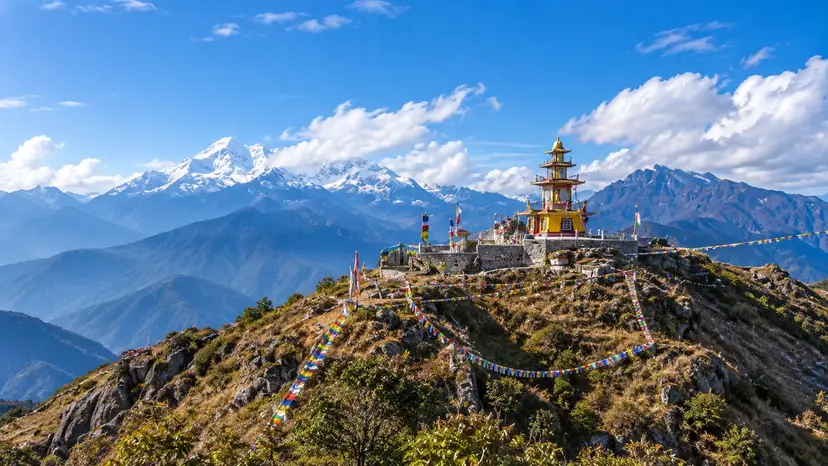
At the summit, marked by prayer flags, take time to enjoy the panoramic Himalayan scenery. On a clear day, you can see several prominent ranges, including Langtang, Ganesh Himal, Jugal Himal, and Gaurishankar. Ama Yangri also holds cultural and spiritual importance for the local Hyolmo community, making the summit more than just a mountain viewpoint. Enjoy the scenery, take photographs, and rest before beginning the descent.
After spending time at the top, retrace the same trail down to Tarkeghyang. The complete hike generally takes around 6 to 7 hours, depending on your walking pace, weather, and time spent at the summit. Return to the lodge for a warm meal and a relaxing evening after the main trekking challenge. Overnight in Tarkeghyang.
DAY 3:Tarkeghyang to Kathmandu Drive: 5 to 7 hours
Distance: Approx. 85 to 100 km
Driving Time: 5 to 7 hours
Highlight: Enjoy a scenic return drive through the Helambu region, passing traditional mountain villages, terraced hillsides, and the Melamchi River valley
After breakfast, leave Tarkeghyang and begin the return journey towards Kathmandu. The drive follows the mountain road downhill through the Helambu settlements, passing Timbu and returning to Melamchi Pul Bazaar. This section offers another opportunity to appreciate the rural landscape, terraced hillsides, river valleys, and traditional settlements that characterize the region.
From Melamchi, continue towards Kathmandu using the selected return route. If road and traffic conditions allow, you can take a short refreshment stop along the way before reaching the city. The return drive generally takes 5 to 7 hours, although travel time may increase during heavy rainfall, road maintenance, or traffic delays.
Upon arrival in Kathmandu, you will be transferred to your hotel or preferred drop-off location. This completes your 3-day Ama Yangri Trek, bringing together a cultural village visit, a rewarding Himalayan summit hike, and a scenic journey through the Helambu region.
Looking to Customize This Trip?
We curate bespoke private itineraries tailored to your dates, preferences, and luxury requirements.
Cost breakdown
What's included
Private round-trip transportation between Kathmandu and Tarkeghyang.
Hotel pickup and drop-off in Kathmandu.
Two nights' accommodation in a local lodge.
Breakfast, lunch, and dinner during the trek.
Experienced English-speaking trekking guide.
Required permits and entry fees, where applicable.
Guide's meals, accommodation, and expenses.
What's not included
International airfare and Nepal visa fees.
Personal expenses and laundry.
Additional snacks, bottled water, and beverages.
Travel insurance and emergency evacuation costs.
Personal trekking equipment and clothing.
Tips for the guide and driver.
Things in Kathmandu like Hotel, extra activities and others program.
Expenses caused by unforeseen circumstances, such as bad weather, landslides, or road blockages.
Dates & Prices
Select start date
Prices are per person on a twin-share basis. Departures are limited, especially during peak season.
Choose Your Departure Date
Run Ama Yangri Trek 3 Days privately for your group on any date that suits you.
Starting from
$250
per person · 7–12 pax
No date selected yet — pick a start date from the calendar.
Useful information
Best Time for Ama Yangri Trek
The Ama Yangri Trek can be undertaken throughout much of the year, but the choice of season significantly affects trail conditions, weather, mountain visibility, and overall trekking experience. Since the summit reaches 3,771 meters, temperature and weather conditions can change quickly, particularly during early mornings and at higher elevations. Spring and autumn are generally the best seasons, offering more favorable walking conditions and better opportunities to enjoy panoramic Himalayan views.
Spring (March to May)
Spring is one of the most rewarding seasons for the Ama Yangri Trek. During this period, the forests around Tarkeghyang become colorful with blooming rhododendrons and other seasonal flowers. Daytime temperatures are generally comfortable for hiking, while the surrounding hills and mountain landscapes offer excellent opportunities for photography. March and April are particularly attractive for experiencing the region's natural beauty.
Autumn (September to November)
Autumn is considered one of the best times for trekking in the Helambu region. Following the monsoon, the landscape becomes fresh and green, while October and November generally bring clearer skies, stable weather, and excellent Himalayan visibility. This season is ideal for trekkers hoping to enjoy panoramic views of the Langtang, Ganesh Himal, Jugal Himal, and Gaurishankar ranges from Ama Yangri Peak.
Winter (December to February)
Winter offers a quieter trekking experience with fewer visitors and peaceful mountain surroundings. However, temperatures can drop considerably, especially at night, early morning, and near the summit. Snowfall and icy trail sections are possible around higher elevations, making some parts of the ascent more challenging. Trekkers should carry proper thermal clothing, insulated jackets, and suitable footwear.
Monsoon (June to August)
The monsoon season brings frequent rainfall to the Helambu region, creating lush green landscapes and flowing streams. However, wet weather can make forest trails muddy, slippery, and difficult to navigate. Leeches may also be present along forest paths, while landslides and road disruptions can affect transportation towards Tarkeghyang. Cloud cover and rainfall may reduce visibility, limiting opportunities to enjoy Himalayan mountain views.
Our Recommendation: For the best overall experience, we recommend planning the Ama Yangri Trek during March to May or September to November. These seasons generally offer comfortable trekking temperatures, better trail conditions, and clearer mountain views, making them ideal for enjoying the summit and surrounding Himalayan scenery.
Accommodation, Meals, and Permits for Ama Yangri Trek
Accommodation and Meals
During the 3-day Ama Yangri Trek, you will spend two nights in a local lodge in Tarkeghyang. Accommodation is generally basic, with simple rooms, beds, blankets, and shared bathroom facilities. Facilities may vary depending on the lodge, so travelers should expect a comfortable but simple mountain stay rather than hotel-style accommodation.
Meals are available at local lodges, with options such as traditional Nepali dal bhat, rice, noodles, vegetables, soups, and other locally prepared dishes. Breakfast, lunch, and dinner can be arranged as part of the trekking package. On the summit day, carrying enough drinking water and light snacks is recommended, as food availability along the hiking trail is limited.
Permits and Guide Information
Travelers should check the applicable trekking permits and local entry requirements before starting the Ama Yangri Trek. An experienced local trekking guide is recommended to assist with trail navigation, walking pace, safety, and information about the Hyolmo culture and local surroundings. Trekkers should also respect local customs, avoid littering, and follow responsible trekking practices throughout the journey.
What to Pack for Ama Yangri Trek?
Packing the right clothing and essential gear will make your 3-day Ama Yangri Trek more comfortable, especially during the early morning hike to the summit at 3,771 meters. Mountain temperatures can be cold, and weather conditions may change throughout the day, so it is important to carry clothing suitable for both warm walking conditions and colder periods.
Hiking boots and comfortable trekking clothes: Wear sturdy hiking boots with good grip to handle forest trails, uneven ground, and steep uphill sections. Comfortable, breathable trekking clothes will help you walk easily throughout the journey.
Warm jacket and thermal layers: Temperatures can drop significantly during the early morning summit hike. Pack thermal base layers, a fleece or warm mid-layer, and an insulated jacket to stay comfortable at higher elevations.
Rain jacket: Mountain weather can change quickly, particularly during the monsoon and shoulder seasons. A lightweight waterproof jacket will help protect you from unexpected rain and wind.
Water bottle and snacks: Carry a reusable water bottle and enough drinking water for the summit hike. Energy bars, nuts, dry fruits, or other light snacks are useful during the 6 to 7-hour round-trip walk.
Sun protection: Sunglasses, sunscreen, and a sun hat are important for protecting yourself from strong sunlight at higher elevations, even when the weather feels cold.
Personal medication and first-aid supplies: Bring any regular medication you need, along with basic supplies such as blister plasters, pain relief, and bandages.
Headlamp or flashlight: Since the summit hike usually starts early in the morning, a headlamp or flashlight is useful for walking before sunrise, particularly on darker forest sections.
Packing tip: Keep your main luggage light and carry only essential items in a small daypack during the summit hike. This makes the uphill walk easier and more comfortable.
Ama Yangri Trek Route and Trail Experience
The Ama Yangri Trek offers a combination of scenic mountain driving and forest hiking through the beautiful Helambu region of Sindhupalchok. The journey gradually moves from the busy Kathmandu Valley into rural mountain settlements, terraced farmland, traditional Hyolmo villages, and forest-covered hills. The route is relatively short but provides a rewarding experience of Nepal's natural landscapes and local culture.
Kathmandu to Melamchi to Tarkeghyang Driving Route
The journey begins in Kathmandu, following the road towards Melamchi and continuing uphill to Tarkeghyang, the main starting point of the trek. Covering approximately 85 to 100 km, the drive takes around 4 to 6 hours, depending on traffic, weather, and road conditions.
As you leave Kathmandu, the landscape changes from urban settlements to green hills, rivers, terraced agricultural fields, and traditional villages. The road follows the Melamchi area before entering the higher settlements of Helambu. The final section towards Tarkeghyang includes winding mountain roads, narrow stretches, and some uneven surfaces. Depending on the season and current road conditions, a suitable private vehicle, preferably a 4WD, may be recommended.
Tarkeghyang to Ama Yangri Summit Hiking Route
The hiking journey starts from Tarkeghyang (2,560m) and follows an uphill trail towards Ama Yangri Peak at 3,771m. The round-trip distance is approximately 8 to 12 km, with around 6 to 7 hours of walking, depending on fitness, weather, and trail conditions.
The initial section passes through beautiful pine and rhododendron forests, where shaded paths and natural surroundings create a peaceful trekking atmosphere. As the trail gains elevation, the forest gradually opens into exposed mountain slopes and ridgelines, offering wider views of the surrounding Himalayan landscape. The final ascent involves steeper uphill sections and requires a steady walking pace, particularly at higher elevations.
At the summit, trekkers are rewarded with panoramic views of the Langtang, Ganesh Himal, Jugal Himal, and Gaurishankar ranges on clear days. After enjoying the mountain scenery and taking photographs, you descend along the same trail to Tarkeghyang for an overnight stay.
Road and Trail Conditions
The road journey from Kathmandu to Melamchi is generally accessible, with a combination of paved highway sections and winding roads through the hills. However, the road conditions can become more challenging beyond Melamchi as the route climbs towards Tarkeghyang. Some sections may be narrow, uneven, or gravel-covered, with sharp turns and steep gradients. During the monsoon, heavy rainfall can cause muddy surfaces, landslides, and temporary road disruptions. A suitable private vehicle, preferably a 4WD depending on current road conditions, is recommended for a safer and more comfortable journey.
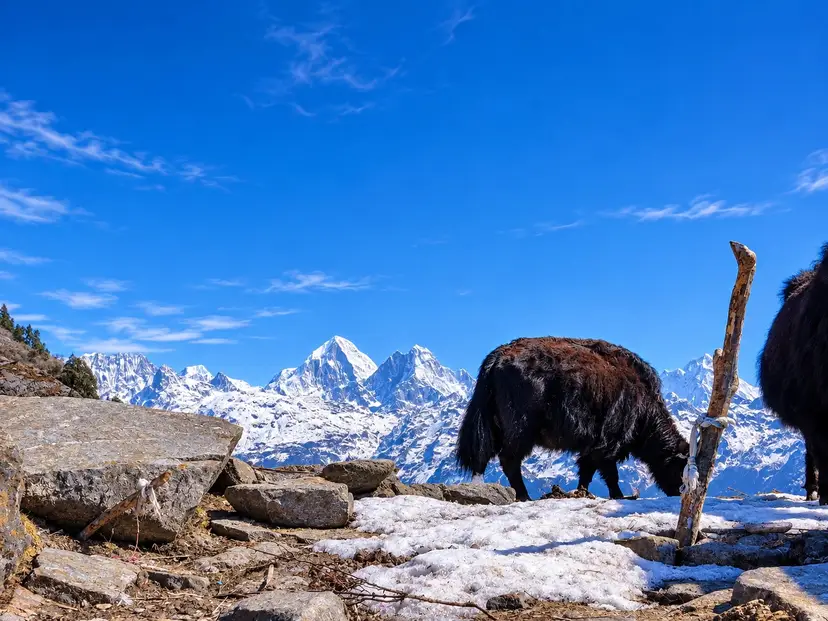
The hiking trail from Tarkeghyang to Ama Yangri Peak consists of established forest paths, natural dirt trails, rocky sections, and sustained uphill climbs. The lower sections pass through shaded pine and rhododendron forests, while the upper trail becomes more open and exposed as it approaches the summit. Some sections can be steep and physically demanding, particularly during the final ascent to 3,771 meters. After rainfall or snowfall, the trail may become slippery, requiring extra care during both ascent and descent. Good trekking shoes with proper grip, warm layers, walking poles, and sufficient drinking water are recommended.
Ama Yangri Trek Difficulty and Fitness Level
The Ama Yangri Trek is generally considered an easy-to-moderate trekking experience, making it a suitable option for travelers looking for a short Himalayan adventure without committing to a long or technically demanding trek. The route does not require mountaineering skills, climbing equipment, or previous high-altitude trekking experience. However, the summit hike requires reasonable physical fitness, as the trail involves sustained uphill walking and a significant elevation gain.
The most challenging part of the journey is Day 2, when trekkers hike from Tarkeghyang (2,560m) to Ama Yangri Peak (3,771m) and return to the village. The round-trip hike covers approximately 8 to 12 km and takes around 6 to 7 hours, depending on walking speed, weather, and trail conditions. The continuous ascent, steeper sections, and thinner air at higher elevations can make the climb physically demanding, particularly for beginners.
Fitness and Preparation
You do not need to be an experienced trekker to complete the Ama Yangri Trek, but some preparation will make the journey more comfortable.
Basic Fitness: Regular walking, jogging, cycling, or other cardiovascular activities can help improve stamina before the trek.
Uphill Walking Experience: Practicing on hills, stairs, or inclined trails is beneficial because the summit route involves a sustained climb.
Walking Pace: Maintain a comfortable and consistent pace, take short breaks when necessary, and avoid rushing towards the summit.
Altitude Awareness: At 3,771 meters, altitude-related symptoms such as headaches, dizziness, nausea, or unusual fatigue can occur. Allow your body time to adjust, stay hydrated, and inform your guide if you feel unwell.
Proper Equipment: Comfortable trekking boots, layered clothing, a warm jacket, and a small daypack will make the hike easier.
Overall, the Ama Yangri Trek is a good choice for reasonably fit beginners, couples, and travelers seeking a short mountain experience near Kathmandu. Although the first day mainly involves driving and village exploration, the summit day requires preparation and endurance. A basic level of fitness, a steady walking pace, and proper altitude awareness are important for completing the trek comfortably and safely.