Everest View Trek: The Short Alternative to EBC
The Everest View Trek is one of the best short treks in Nepal. It lets you see the world's highest mountain, Mount Everest, without walking all the way to Everest Base Camp. Many people choose this trek because it is shorter, easier, and still offers amazing mountain views. Most trekkers finish the journey in 5 to 7 days, making it a great choice for people with limited time. The trail takes you through beautiful forests, peaceful rivers, suspension bridges, and friendly Sherpa villages. Along the way, you can enjoy fresh mountain air and learn about local life. If you want a true Himalayan adventure without a long and difficult trek, the Everest View Trek is a wonderful choice.
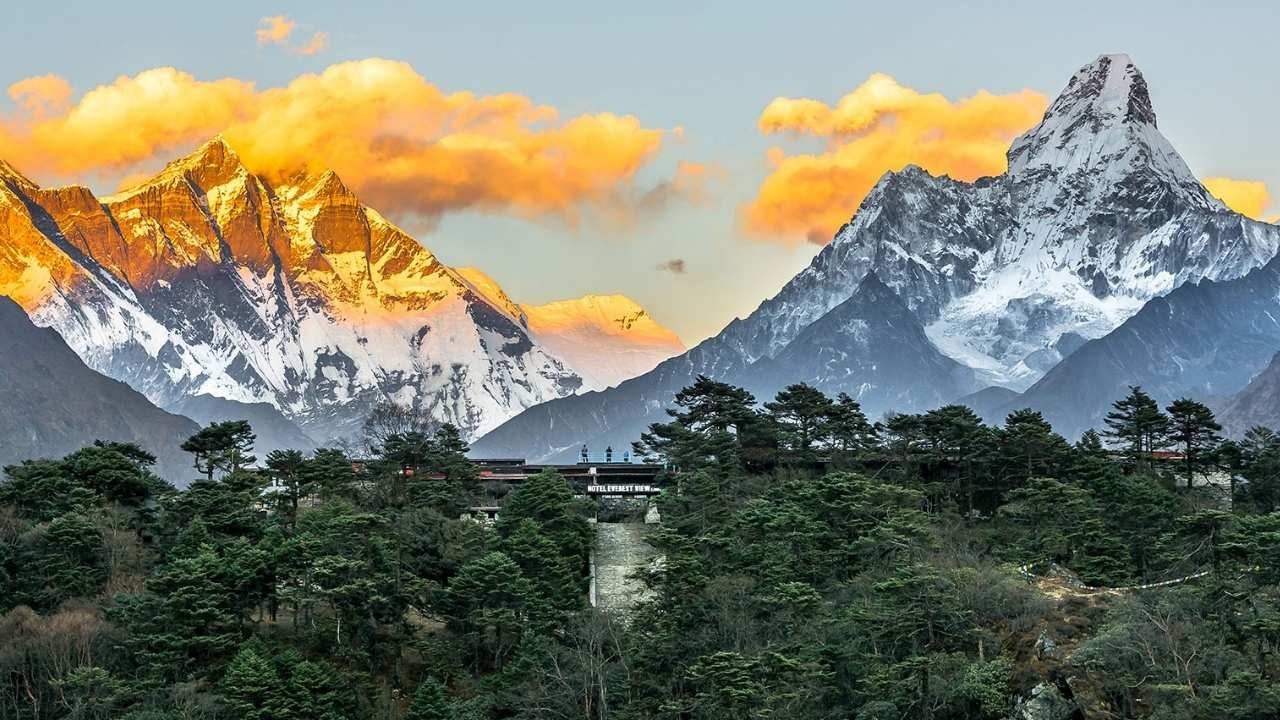
This trek brings with it a short flight from Kathmandu to Lukla. Lukla is one of the most famous mountain airports in the world. From Lukla, you will walk through small villages such as Phakding before reaching Namche Bazaar, which is the main trading town of the Khumbu region. The highest point of the trek is Everest View Hotel, which stands about 3,880 meters (12,730 feet). From here you can enjoy clear views of Mount Everest (8,848.86 meters), Lhotse (8,516 meters), Ama Dablam (6,812 meters), Thamserku (6,608 meters) and several other beautiful Himalayan peaks. On clear mornings, the mountain views are truly unforgettable.
The Everest View Trek is often called the best short alternative to the Everest Base Camp Trek. While the full Everest Base Camp Trek usually takes 12 to 14 days and reaches an altitude of about 5,364 meters. This short trek gives you a taste of the Everest region in less than a week. Because the highest point is much lower, the risk of altitude sickness is also less. Even though you should still walk slowly, drink enough water, and take proper rest. The trails are well marked. There are many comfortable tea houses where you can eat local meals and spend the night. This makes the trek suitable for beginners, families with younger children, and anyone with a moderate level of fitness.
The Everest View Trek is not only about the mountains. It is also a chance to meet the warm and welcoming Sherpa people, visit old Buddhist monasteries, see colorful prayer flags, and experience the peaceful culture of the Khumbu region. Every step offers you something special, whether it is the sound of the Dudh Koshi River, blooming Rhododendron forests in spring, or the smiling faces of local people. You can also spot birds, mountain animals, and beautiful landscapes inside Sagarmatha National Park, which is a UNESCO World Heritage Site. By the end of the trek, you will return home with wonderful memories, amazing photographs, and a deeper understanding of the Himalayas. This is why the Everest View Trek remains one of Nepal's most loved short trekking adventures.
Route Overview and Daily Trek Experience
The Everest View Trek starts from Kathmandu, which is the capital city of Nepal. From here, you can take a short flight to Lukla, which sits at about 2,860 meters above sea level. The flight usually takes around 35 minutes. It offers you amazing views of green hills, rivers, and snowy mountains. After landing in Lukla, you will meet your guide and begin walking toward Phakding. This first day is easy. It covers about 8 kilometers in 3 to 4 hours. You will cross small suspension bridges, pass prayer wheels, and follow the beautiful Dudh Koshi River. Most trekkers spend the night in a comfortable tea house in Phakding.
On the second day, you will trek to Namche Bazaar from Phakding. This is the longest and hardest walking day of the trip. The trail is about 10 to 11 kilometers. It usually takes 6 to 7 hours. Then, you will cross several suspension bridges, including the famous Hillary Bridge, and walk through the entrance of Sagarmatha National Park. The final climb to Namche Bazaar is steep, but it rewards you with your first distant view of Mount Everest on a clear day. Namche Bazaar sits at an altitude of 3,440 meters. It is the biggest town in the Khumbu region. It has bakeries, small shops, cafes, banks and a local market where trekkers and Sherpa families meet.

The next day is used for a short hike to the Everest View Hotel at 3,880 meters. The walk takes about 2 to 3 hours each way. From the hotel you can enjoy wide views of Mount Everest, Lhotse, Ama Dablam, Thamserku and other Himalayan peaks. Many trekkers also visit Khumjung village before returning to Namche Bazaar for the night. After that, you retrace your steps to Phakding, then Lukla. The whole trek usually lasts 5 to 7 days. It covers around 50 to 65 kilometers in total. This trek gives you an unforgettable Himalayan adventure without going all the way to Everest Base Camp.
Best Time to Do the Everest View Trek
The Everest View Trek can be enjoyed in every season, but your experience will change depending on the weather. Some months offer clear mountain views while others bring rain and snow. The best trekking seasons depend on what you want to see and how comfortable you want your journey to be. Understanding each season helps you to plan a safe and enjoyable trip. Most trekkers choose spring and autumn because the weather is pleasant and the views of Mount Everest are usually the clearest.
Spring (March to May)
Spring is one of the best times for the Everest View Trek. The weather is warm during the day. The temperature is usually between 8°C to 15° around Namche Bazaar. Nights can be colder because the temperature often drops below 0°C. Rhododendron forests bloom with bright red, pink, and white flowers, which makes the trail colorful and beautiful. The skies are usually clear in the morning, which offers you excellent views of Mount Everest, Lhotse, Ama Dablam, and Thamserku. This season is also popular with photographers and nature lovers.

Autumn (September to November)
Autumn is another favorite season for trekking. After the summer rain, the air becomes fresh and clean. Daytime temperatures are around 10°C to 15°C, while nights are cool. The mountain views are usually very clear, and the trails are dry and easy to walk on. Many local festivals, including Dashain and Tihar, take place during this season. It also gives you a chance to experience Nepalese culture along with the beautiful scenery.
Winter (December to February)
Winter is cold mainly during the night when temperatures can fall below -10°C near the Everest View Hotel. However, the skies are often clear, and there are fewer trekkers on the trail. If you enjoy peaceful walks and do not mind the cold, then winter can be a good time to visit. Warm clothing is very important during this season.
Monsoon ( June to August)
Monsoon brings heavy rain, cloudy skies, slippery trails, and leeches in lower forest areas. Flight to Lukla may be delayed because of poor weather. Mountain views are often hidden by clouds, so this is the least popular trekking season.
In conclusion, spring and autumn are the best seasons for the Everest View Trek because they offer clear skies, comfortable temperatures, and the finest mountain views. Winter is suitable for experienced trekkers who enjoy quiet trails, while monsoon season is less recommended because of rain and limited visibility. Choosing the right season will help you to enjoy a safer, easier, and more memorable Himalayan adventure.
Difficulty Level, Altitude and Safety Tips
The Everest View Trek is a good choice for people who want to see Mount Everest without doing a very long and difficult trek. It is easier than the Everest Base Camp Trek, but you still need to walk uphill and downhill for several hours each day. The trail reaches high places, so it is important to understand difficulty, altitude, and safety rules before you start. With good planning and a slow walking pace, most healthy people can enjoy this beautiful Himalayan journey.

Trek Difficulty: The Everest View Trek is moderate. You usually walk 4 to 7 hours each day on stone steps, forest paths, and mountain trails. Some climbs are steep, especially on the way to Namche Bazaar. You do not need climbing skills, but regular walking or light exercise before the trek will make the journey easier. Beginners can complete this trek if they walk slowly and take enough rest.
Altitude and Acclimatization: The highest point of the trek is the Everest View Hotel at 3,880 meters. At this height, the air has less oxygen than at sea level. Some people may feel tired, get a headache, or lose their appetite. That is why acclimatization is important. You should spend an extra night in Namche Bazaar, drinking plenty of water and avoiding rushing. These simple steps help your body adjust to the higher altitude.
Safety Tips: Always walk at your own pace and listen to your guide. Wear strong trekking boots with good grip because trails can be rocky and slippery. You should carry warm clothes, rain protection, sunscreen, sunglasses, and a water bottle. Always check the weather before starting each day. If you feel very sick, tell your guide immediately instead of trying to continue.
Fitness and Preparation: You do not need to be an athlete, but being active helps you a lot. Walking, climbing stairs, cycling or jogging for a few weeks before your trip can improve your fitness. You should pack only those things that you really need because a lighter backpack is easier to carry.
In conclusion, the Everest View Trek is safe and enjoyable when you prepare well, walk slowly and respect the mountains. Good planning helps you to finish the trek with happy memories. You will also enjoy beautiful mountain views, friendly Sherpa villages, fresh mountain air and a wonderful adventure that you will remember for many years with your family and friends.
Cost, Permits, Food and Accommodation
Before you start the Everest View Trek, it is important to know how much money you may spend and what you need for the journey. The total cost depends on whether you travel alone, hire a guide, or join a group. You also need trekking permits, food, and Places to stay during the trip. Planning these things early helps you to enjoy your adventure without stress. The good news is that the Everest View Trek is shorter than the Everest Base Camp Trek, so it usually costs less.

Trek cost: The average cost of the Everest View Trek is about US$700 to US$1,500 per person for a 5 to 7-day trip. This price often includes flights between Kathmandu and Lukla, permits, a guide, accommodation, and most meals. If you travel independently, your cost may be lower, but you will need to arrange everything yourself. Carry some extra cash because there are no roads or banks on most of the trekking route.
Trekking Permits: You need two permits for this trek. The first is the Sagarmatha National Park Entry Permit, which costs NPR 3,000 for foreign visitors. The second permit is the Khumbu Pasang Lhamu Rural Municipality Permit, which costs NPR 3,000. These permits help to protect nature and mountain trails, and support local communities in the Everest region.
Food and Accommodation: Most trekkers stay in simple tea houses run by local families. A room usually costs US$5 to US$15 per night. Meals such as dal bhat, noodles, fried rice, soup, eggs, and pancakes usually cost US$4 to UD$10 each. Prices become higher as you walk to higher villages because supplies are carried by people or animals.
Guide and Porter: A licensed guide usually costs US$30 to US$40 per day, while a porter costs about US$20 to US$30 per day and can carry around 20 kilograms. Hiring local staff supports families in the Khumbu region and makes your trek easier.
In conclusion, good planning, enough money and the right permits help to make your Everest View Trek safe, comfortable and enjoyable. Knowing your costs before you travel helps you to relax and enjoy every step of the journey. You can also support local families, avoid unexpected expenses, travel with confidence, enjoy delicious local food and create wonderful memories that will stay with you for a lifetime.
What You Will See: Mountains, Nature and Wildlife
The Everest View Trek is full of beautiful sights from the beginning to the end. Every day you will see snowy mountains, green forests, clear rivers, and peaceful villages. The trails also pass through Sagarmatha National Park, which is a UNESCO World Heritage Site. This park protects many plants and animals that live in the Himalayas. As you walk, you can enjoy fresh mountain air, take wonderful photographs, and discover the natural beauty that makes the Everest region famous around the world.

Famous Himalayan Mountains: The biggest highlight of the trek is seeing Mount Everest, the highest mountain on Earth at 8,848.86 meters. You can enjoy clear views of Lhotse, the world's fourth-highest mountain, Ama Dablam, Thamserku, Kongde Ri, and many other snowy peaks. The best views are usually seen from the Everest View Hotel and nearby viewpoints, especially during clear mornings.
Beautiful Forests and Rivers: The trail passes through forests filled with pine, fir, juniper, and rhododendron trees. During spring, rhododendron flowers bloom in bright red, pink, and white colors. You also walk beside the beautiful Dudh Koshi River and cross many suspension bridges. The sound of flowing water and singing birds makes the journey peaceful and relaxing.
Wildlife and Birds: Sagarmatha National Park is home to many wild animals and birds. If you are lucky, you may see Himalayan tahr, musk deer, Himalayan monal, blood pheasant, or colorful snow pigeons. Higher in the mountains, rare animals like the snow leopard and red panda also live, although they are very difficult to see because they stay hidden.
Wonderful Sunrises and Landscapes: Early mornings often bring clear skies and golden sunlight shining on the snowy mountains. The changing colors of the peaks create unforgettable views. Wide valleys, rocky hills, waterfalls, and traditional Sherpa villages make every part of the trek special and beautiful.
In conclusion, the Everest View Trek offers much more than mountain views. It gives you a chance to enjoy nature, discover wildlife, breathe fresh air, and create unforgettable memories in one of the world's beautiful mountain regions.
Travel Tips for a Successful Everest View Trek
A successful Everest View Trek is not only about walking in the mountains. It also depends on good planning, smart decisions, and taking care of yourself. Even if the trek is shorter than the Everest Base Camp Trek, you should still prepare well. Knowing a few simple travel tips can make your journey safer, easier, and more enjoyable. These tips will help you to avoid common problems and allow you to spend more time enjoying the beautiful Himalayan scenery, friendly Sherpa villages, and fresh mountain air.

Plan Your Trek Carefully: Choose the best seasons before you book your trip. Spring and Autumn usually have the clearest skies and the best mountain views. Book your Lukla flights early because seats fill quickly during busy seasons. Keep one or two extra days in your travel plan because flights may be delayed by bad weather. Good planning helps you to avoid stress and enjoy your holiday.
Stay Healthy During the Trek: Walk at a slow and comfortable pace every day. Drink at least 3 to 4 liters of water to help your body adjust to the higher altitude. Eat healthy meals such as dal bhat, soup, rice, and vegetables to keep your energy strong. You should sleep well each night and tell your guide if you feel sick, dizzy, or have a bad headache. Taking care of your health is the best way to enjoy the trek.
Respect Local Culture and Nature: The Khumbu region is home to the Sherpa people and many important Buddhist monasteries. You should dress politely, ask before taking photos of local people, and walk clockwise around prayer wheels and Mani stones. Do not throw rubbish on the trail. Carry a reusable water bottle and help to keep mountains clean for future visitors.
Be Ready for Changing Weather: Mountain weather can change very quickly. Carry a warm jacket, raincoat, gloves, hats, sunscreen, sunglasses and a flashlight. Wear comfortable trekking boots with good grip. Check the weather forecast before starting each day and follow your guide's advice if conditions change.
In conclusion, a little preparation can make a big difference on the Everest View Trek. You should plan wisely, stay healthy, respect local culture, and be ready for changing weather. By following these simple tips, you will enjoy a safe, comfortable, and unforgettable adventure in the beautiful Everest region.
Nepal Recreation
Travel specialist sharing firsthand stories, comprehensive trekking guides, and expert advice to help you plan your Himalayan adventures.