
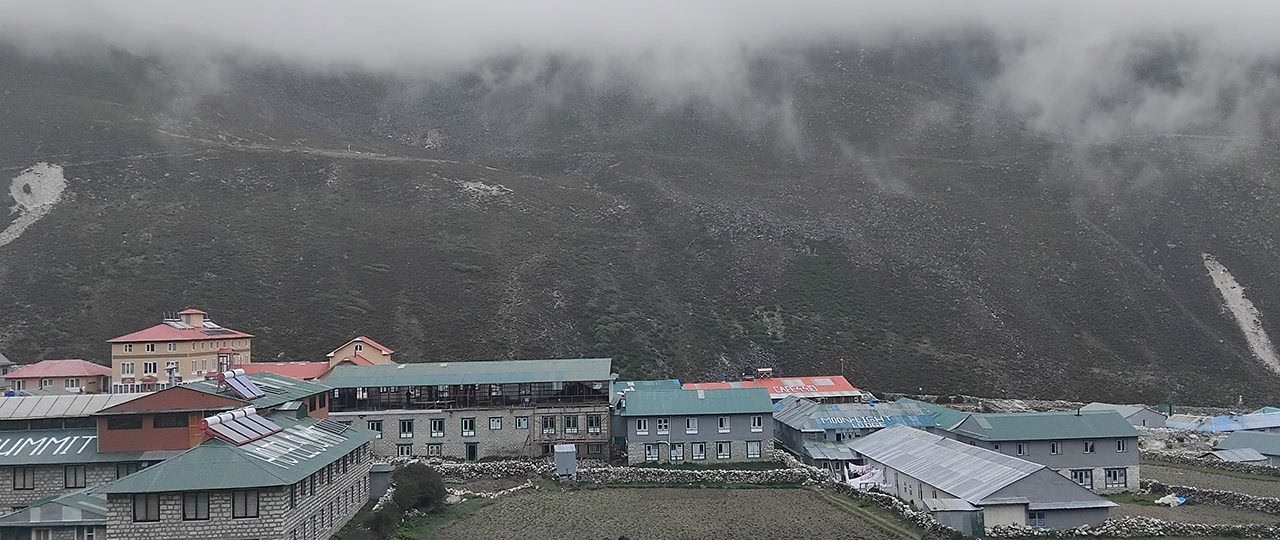
Tea House Accommodation on Everest Base Camp Trek
The Everest Base Camp Trek is one of the most famous walking journeys in the world. Every day, trekkers walk for many hours through mountains, forests, and small villages. After a long day of walking, everyone needs a safe and warm place to sleep. This is where tea house accommodation becomes very important.
Tea houses are simple lodges found along the Everest Base Camp trail. They are run by local mountain families and are especially made for the trekkers. A tea house gives you a bed, warm food, hot drinks, and a place to rest. You do not need tents or cooking tools because everything is available there.
These tea house accommodation on Everest Base Camp Trek may look simple, but they make the trek possible for thousands of people every year. They are like small homes in the high mountains, offering comfort, care, and a friendly place to stay while walking towards Everest.
What Is a Tea House on the Everest Base Camp Trek?
A tea house is a small guesthouse found along the Everest Base Camp trekking route. These tea houses are run by local Sherpa families who live in the mountains. They are made to help trekkers eat, sleep, and rest safely during the long journey.
In the early days, tea houses were simple places that only served tea and light snacks. Today, they are more developed. Most tea houses now offer :
A small room with beds
Warm meals like dal bhat, noodles, rice, and soup
Hot drinks such as tea, coffee, and ginger lemon
A dining room with a stove to keep everyone warm
Tea houses are found in almost every village between Lukla and Everest Base Camp. The distance between villages is usually 2 to 5 hours of walking, so trekkers can easily reach a tea house by the end of the day.
Without tea houses, trekkers would need to carry tents, food, and fuel, which would be very difficult at high altitude. Because of tea houses, the Everest Base Camp Trek is safer, easier, and more comfortable for people from all over the world.

How are the Tea Houses Rooms?
Tea house accommodation on Everest Base Camp Trek is basic but useful. They are not luxury rooms, but they give trekkers exactly what they need after a long day of walking. Most rooms are small and usually have two single beds. Each bed comes with a mattress, a pillow, and a blanket. The blanket is often thin, so trekkers bring their own sleeping bag to stay warm, especially at night.
The walls of the rooms are made from wood or stone. Because of this, rooms are not soundproof. You may hear people talking, walking, or snoring in nearby rooms. This is normal in tea houses. Rooms do not have heaters. The cold becomes stronger as you go higher on the trail. At places like Dingboche, Lobuche, and Gorakshep, nights can be very cold.
Most warmth is found in the dining room, where a stove is used in the evening. In general, the tea house accommodation on Everest Base Camp Trek are simple, quiet, and meant mainly for sleeping and resting. Even though they are basic, they give trekkers a safe place to recover and get ready for the next day’s walk.
Toilets, Bathrooms, and Showers in Tea Houses
Toilets and bathrooms in the tea house are also very simple, and they change as you go higher on the Everest Base Camp trail. Trekkers should be ready for basic facilities, especially at high altitudes. In lower villages like Lukla, Phakding, and Namche Bazaar, many tea houses have western-style toilets.
Some even have attached bathrooms in the rooms. Hot showers are common here and are usually powered by gas or solar power. As you walk higher to places like Tengboche and Dingboche, toilets are mostly shared, and they are often located outside the main building. You may find squat toilets instead of Western ones. Hot showers are still available in some tea houses, but you only need to pay extra.
At high altitude places such as Lobuche and Gorakshep, bathroom facilities are very basic. Toilets are often simple squat toilets, and hot showers may not be available at all. Water freezes easily in cold weather, so showers become difficult.
Because water is hard to carry in the mountains, trekkers are expected to use water carefully. Wet wipes and hand sanitizer are very helpful on the trek. Even though the bathrooms are simple, they are enough for basic needs, and they are part of the real Everest trekking experience.

Cost of Staying in Tea Houses
Tea house accommodation on Everest Base Camp Trek is affordable, but the prices slowly increase as you go higher. This happens because food, fuel, and supplies are carried up by porters or yaks, which takes a lot of effort.
The room price is usually low. In lower areas like Lukla and Namche Bazaar, a room may cost USD 5 to 10 per night. In higher places such as Dingboche, Lobuche, and Gorakshep, the price can be USD 10 to 30 per night. In many tea houses, the room is cheap or sometimes free if you eat your meals there.
Food is the main source of income for tea houses. Common meals include dal bhat, noodles, fried rice, pasta, soups, and eggs. A meal may cost USD 4 to 10, and prices go up at higher altitudes. Extra services usually cost more. A hot shower can cost USD 3 to 8. Charging phones or cameras may cost USD 1 to 5 per hour.
Wi-Fi is available in some places, but it becomes slower and more expensive as you go higher. Most tea houses accept cash only, so carrying enough Nepalese rupees is very important. Planning your daily budget helps make the trek smooth and stress-free.
How Tea Houses Change as You Go Higher?
Tea house accommodation on Everest Base Camp Trek do not stay the same from start to finish. As you walk higher into the mountains, the altitude increases, and teahouses become simpler and more basic. In lower areas such as Lukla, Phakding, and Namche Bazaar, teahouses are more comfortable.
Rooms are better, toilets are cleaner, a nd hot showers are easier to find. Electricity is more reliable, and some places even have smallshops, bakeries, and cafes. In the middle section of the trek, around Tengboche and Dingboche, tea houses are still good but simpler. Rooms are smaller, bathrooms are shared, and hot water is limited. Electricity mostly comes from solar power, so charging devices costs extra.

In high altitude villages like Lobuche and Gorakshep, the houses are very basic. The weather is cold, the wind is strong, and water freezes easily. Rooms are colder, toilets are simple, and hot showers may not be available at all. Wi-Fi is weak or sometimes not available.
The higher you go, the more you learn to adjust and appreciate simple living. These changes help trekkers understand mountain life and prepare mentally for the final walk to Everest Base Camp.
Daily Life Inside a Tea House
Life inside a tea house is simple, warm, and friendly. After walking for many hours on the trail, reaching a tea house feels like reaching a small mountain home. When trekkers arrive in the afternoon, they first choose a room and put down their bags. Most time is spent in the dining room, which is the warmest place in the tea house. In the evening, a stove is lit, and everyone sits around it to stay warm.
Dinner is usually eaten early. Trekkers order from a menu that includes simple meals like dal bhat, noodles, soup, potatoes, and tea. People from different countries sit together, share stories, and talk about the day’s walk and mountain views. After dinner, most trekkers go to bed early because mornings start early on thetrek.
Nights are quiet, cold, and peaceful. In the morning, tea houses serve breakfast before trekkers continue their journey. Daily life at tea house accommodation on Everest Base Camp Trek is slow and peaceful. It helps trekkers rest, regain energy, and enjoy the simple beauty of life in the Himalayas.

Tea Houses Rules, Manners, and Local Culture
Tea houses are run by local mountain families, so following simple rules and good manners is very important. Respectful behavior helps both trekkers and hosts have a pleasant experience. Most teahouses expect trekkers to eat their meals where they stay. Rooms are cheap because food sales support the tea house. Ordering breakfast and dinner at the same place is polite and appreciated.
Water, fuel, and electricity are limited in the mountains. Trekkers should use water carefully, avoid long showers, and turn off lights when not needed. Charging devices only when necessary helps save power. Noises should be kept low, especially at night. Walls are thin, and many people sleep early. Speaking softly and avoiding loud music shows respect to others.
A simple smile, “Namaste,” or thank you means a lot to local hosts. These families work very hard in tough conditions, and friendly behavior creates a warm and positive atmosphere. By respecting tea house rules and local culture, trekkers become part of the mountain community, even if only for a short time.
Meeting Local People and Learning About Their Culture
One of the best parts of staying in tea houses is meeting local Sherpa families and learning about their way of life. Most tea houses are run by families who lived in the mountains for generations. Staying in tea houses also gives trekkers a chance to observe traditional Sherpa hospitality.
You can watch how families manage their lodges, cook meals over simple stoves,s and welcome travellers with warmth, patience,ce and care. This daily interaction teaches valuable lessons about hard work, resilience, and community life in high-altitude Nepal. This makes your trek more than just a physical journey, which becomes a cultural experience as well.
By using a tea house accommodation on Everest Base Camp Trek, trekkers can :
See how Sherpa cook food over a wood or gas stove
Learn about Nepalese traditions, festivals, and daily life in high-altitude villages
Hear stories about climbing Everest, local legends, and mountain history
Experience warm hospitality and friendly conversations that make you feel at home
Tea houses are not just places to sleep; they are also a window into the culture of the Himalayas. Every visit teaches trekkers about kindness, simplicity, and mountain life by making the Everest Base Camp Trek richer and more meaningful.

Tips to Make Your Stay at Tea House Accommodation on Everest Base Camp Trek More Enjoyable
Staying in a tea house can be a fun and memorable part of the Everest Base Camp Trek if you follow a few simple tips :
Arrive Early: Reaching the tea house early gives you a choice of rooms, and you can get a chance to rest before dinner.
Stay Hydrated: Drink plenty of water. Some tea houses provide boiled or filtered water, but carrying a water bottle with a filter is helpful.
Be Flexible: Rooms are small, walls are thin, and bathrooms may be basic. Accepting these things makes the experience enjoyable.
Try Local Food: Eating dal bhat, momos, and other local meals helps you to experience Nepalese culture.
Talk to Others: Tea houses are social places. Meeting other trekkers makes your journey more fun and creates lasting memories.
Respect the Environment: Avoid wasting water, use toilets carefully, and keep tea houses clean.
Following these tips not only makes your stay comfortable, but it also helps you to connect with fellow trekkers, enjoy mountain life, and create memories that last long after the trek is over.
Why Tea House Accommodation Is Perfect for the Everest Base Camp Trek?
Tea house accommodation is one of the main reasons why the Everest Base Camp Trek is possible for so many people. These simple lodges provide everything a trekker truly needs in the high mountains. Tea houses offer a safe place to sleep, warm food, and hot drinks after long days of walking. They allow trekkers to travel light without carrying tents, cooking equipment, or large amounts of food. This makes the trek easier and safer, especially at high altitude.
Staying in tea houses also gives trekkers a chance to experience local life. You meet Sherpa families, see how people live in the mountains, and share space with trekkers from all over the world. Those small moments often become the most memorable part of the journey. Although tea houses are simple, they are comfortable enough to rest, recover, and prepare for the next day.
The warmth of the dining room, friendly conversations, and peaceful mountain nights make them feel like a home away from home. In the end, tea houses are not just places to stay. They are an important part of the Everest Base Camp experience, adding comfort, culture, and human connection to this unforgettable trek.

Final Say About Tea House Accommodation on Everest Base Camp Trek
Tea houses are the soul of the Everest Base Camp Trek, making this incredible journey possible for trekkers from around the world. They provide a safe and warm place to sleep, nourishing food, and a chance to rest after long days walking through some of the highest mountains on Earth. Without tea houses, carrying tents, cooking gear, and enough food for the trek would make the journey much harder, if not impossible, for most people.
Although tea houses are simple, their charm lies in the comfort, warmth, and friendliness they offer. Sitting in a cozy dining room with a stove, drinking hot tea, and chatting with other trekkers creates unforgettable moments. You also get to meet local Sherpa families, learn about their traditions, and experience daily life in remote mountain villages. These small interactions often become the most memorable part of the trek, which adds a human and cultural dimension that no guidebook can provide.
As you move higher on the trail, tea houses become more basic with smaller rooms, limited water, and fewer amenities. Yet these challenges teach trekkers to adapt, appreciate, simplify, and enjoy the beauty of high altitude life. Each tea house stop is not just a rest, it is a chance to recharge physically, mentally, and emotionally for the next stage of the trek.
In the end, tea houses are more than accommodation. They are a lifeline, a place of warmth, and a connection between trekkers and the Himalayas. They can make the Everest Base Camp Trek accessible, enjoyable, and unforgettable, leaving every traveler with memories of both adventure and heartwarming human connection.
Nepal Recreation
Travel specialist sharing firsthand stories, comprehensive trekking guides, and expert advice to help you plan your Himalayan adventures.