Nepal Trekking Cost for US Citizens
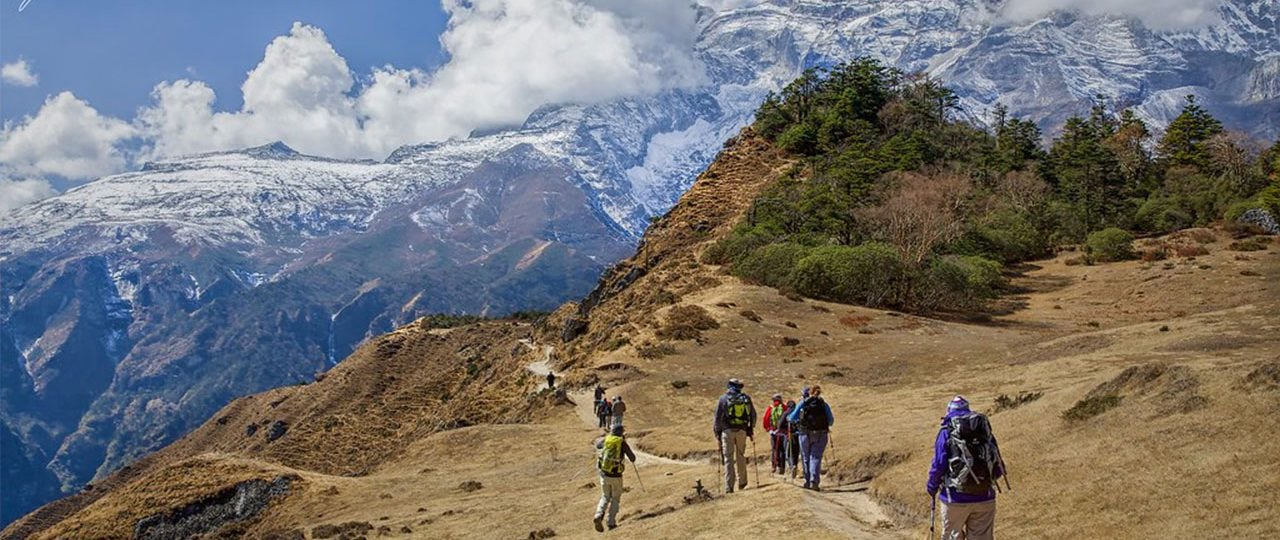
Trekking in Nepal is a dream for many travellers from the United States. From the world-famous Everest region to the stunning Annapurna and Langtang trails, Nepal offers breathtaking mountain views, rich cultural heritage, and warm hospitality. One of the biggest reasons Nepal is so popular among U.S. trekkers is that it is far more affordable compared to trekking destinations in Europe or North America. Still, understanding the Nepal trekking cost for US citizens is very important before you start planning.
Nepal trekking costs can feel confusing at first because the price depends on many things. The total amount you spend will change based on the trekking region, number of days, season, level of comfort, and whether you hire a guide or porter. Some of the trekkers travel on a tight budget using basic teahouses, while other trekkers prefer more comfort or even luxury lodges. Both styles are possible in Nepal, which makes it a flexible destination for U.S. citizens with different budgets.
For most U.S. travellers, trekking in Nepal usually costs between USD 900 and USD 2,500, excluding international flights. Short and easy treks can be done for less cost, while longer or remote treks may cost more. Expenses include permits, accommodation, food, guides, transportation, insurance, and small daily extras like charging devices or hot showers.
In this blog, you will clearly understand where your money goes. By the end, you will have a clear idea of Nepal trekking cost for US citizens; how much money you need, how to save costs, and how to plan a safe and enjoyable trekking experience in this beautiful Himalayan country without stress.
Nepal Trekking Cost for US Citizens– Trekking Permits and Entry Fees
Before you start trekking in Nepal, you must pay for official trekking permits. These permits are required by the Nepal government. These permits help to manage tourism, protect nature, and keep trekkers safe. For U.S. citizens, permit costs are fixed, and it’s the same for all foreigners, no matter which agency you book with.
TIMS Card (Trekking Information Management System)
The TIMS Card helps authorities to track trekkers for safety reasons. It costs around USD 18 to 20. The cost depends on whether you trek independently or with a guide. It is required for the most popular trekking routes in Nepal.
National Park or Conservation Area Permits
As most trekking regions fall inside the protected areas, there are common permits that include :
Annapurna Conservation Area permit (ACAP) costs about USD 25 to 30
Sagarmatha National Park Permit (Everest region) costs around USD 25 to 30
Langtang National Park Permit costs around USD 25 -30

These permits are usually one-time payments for the entire trek.
Restricted Area Permits (special treks)
There are some remote trekking regions in Nepal. The remote regions have higher permit fees because of limited access and safety rules. For example:
Manaslu, Upper Mustang, and Dolpo fall in remote regions. The permit cost here ranges from USD 70 to USD 500+. The cost depends on the days and seasons.
Simple Nepal Trekking Cost for US Citizens Summary for Permits
For the most popular treks, U.S. citizens spend around USD 50 to 60 total on permits. Restricted treks cost more, but these regions offer quieter trails and a unique culture.
Permits are non-negotiable, but the good news is they are clear, transparent, and affordable when compared to trekking costs in many other countries.
Guide and Porter Costs
For most U.S. citizens who are trekking in Nepal, hiring a licensed guide and a porter is one of the most important parts of the budget. In recent years, Nepal has encouraged foreign trekkers to use guides for safety, route management, and emergency support. Beyond rules, local support also makes the trek more enjoyable and stress-free.
Cost of a Licensed Trekking Guide
A professional Nepali trekking guide helps with navigation, permits, accommodation, food offers, and communication with locals. The average cost of hiring a guide is USD 25 to 40 per day. This price usually includes the guides, food, accommodation, salary, and insurance. Guides provide help in case of altitude sickness or emergencies. For a 10-12-day trek, guide cost usually ranges from USD 300 to USD 500.
Cost of a Porter
Porters carry your main backpack. They allow you to walk comfortably with a small daypack. The average cost of hiring a porter is USD 20 to 30 per day. One porter usually carries a bag weighing 20-25 kg, and the cost is often shared between two trekkers. For a standard trek, porter Costs are around USD 250 to 400.
Guide-Cum-Porter Option
Some of the trekkers choose a guide cum porter. They guide and carry lighter weights. The average cost of hiring Guide -Cum-Porter is USD 25 to 35 per day. They are best for short and easy treks with light backpacks.
Tipping Note: Tipping is not mandatory, but it is common to tip at the end of a trek. Hiring guides and porters not only improves the safety of trekkers but also supports local mountain communities. For many U.S. travelers, the cost brings great value and peace of mind
Accommodation and Food Costs During the Trek
Accommodation and food are daily expenses while trekking in Nepal. They take a good portion of your total budget. The good news for the citizens is that trekking lodges in Nepal are simple, affordable, and widely available, especially on popular routes like Everest, Annapurna, and Langtang.
Tea House Accommodation (Most Common Choice)
Most trekkers stay in local teahouses. These are small mountain lodges run by local families. The costs range from USD 5 to 15 per night in lower areas. The price of a room in high altitude areas like the Everest region costs around USD 10 to 30 per night. Teahouse rooms are basic with two beds, blankets, and a shared toilet. In many places, if you eat dinner and breakfast at the lodge, the room price stays low.

Food Costs on the Trail
Food prices increase as you go higher because everything is carried by porters or animals. In lower villages, meals cost around USD 5 to 8, while in higher altitude areas, meals cost around USD 8 to 12+. The most popular meals on trails include Dal Bhat, noodles, fried rice, momos, and pasta. A normal food budget is USD 20 to 30 per day.
Drinks and Extras
During trekking on trails, if you take tea or coffee, it costs around USD 2 to 5. Bottled water is not recommended, but if you want it costs around USD 1 to 2. In some regions, you may get hot shower facilities which cost you around USD 2 to 5 per bath. To charge a phone and camera during a trek in teahouses, it costs around USD 2 to 5 per hour.
If you are budget trekkers, for daily accommodation and food budget, it costs you around USD 20 to 30 per day. If you choose mid-range comfort, it costs you around USD 35 to 50 per day. For more comfort areas, it will cost you around USD 60+ per day.
Overall, accommodations and food in Nepal are very affordable compared to hiking destinations in the U.S. or Europe, even in other high mountain regions.
Transportation Costs
Transportation is another important Nepal Trekking cost for US citizens. These expenses include international flights to Nepal and domestic travel to reach the trekking trailhead. The cost depends on the trekking region, season, and type of transport you choose.

International Flight: USA to Nepal
Most U.S. travellers fly into Kathmandu at Tribhuvan International Airport. Round-trip airfare from the U.S. usually costs USD 1,000 to USD 1,800. These prices depend on the departure city, airline, and how early you book. Flying during peak trekking Season, like spring and autumn, can be slightly more expensive than in the off-season. Booking your tickets early and being flexible with dates can help you reduce costs.

Domestic Flights in Nepal
Some of the treks require short domestic flights. You can take a flight to the Everest region. Taking a flight to Lukla from Kathmandu can cost you around USD 180 to 220 for one way. Taking a flight from Kathmandu to Pokhara costs around USD 90 to 120 for one way. These domestic flights save you time, but they may be delayed due to weather, especially in mountain areas.
Road Transportation
Not on every trek are flights necessary; for many treks, road travel can be cheaper. Instead of a flight, you can take a tourist bus from Kathmandu to Pokhara, which costs around USD 10 to 15. You can use a local bus to the trailhead, which costs around USD 5 to 15. You can even have a private or shared jeep, which costs you around USD 120 to 250. The cost depends on distance and group size.
Note: Transportation in Nepal is generally affordable for everyone, but mountain flights add extra costs
Trekking Gear, Travel Insurance, and Other Extra Costs
When you trek in Nepal, there are important extra costs beyond the permits, guides, food, and transport that many travellers overlook at first. One of the first things to consider is trekking gear. If you already have warm clothes, a good sleeping bag, sturdy boots, and trekking poles, you can save money by bringing them from the U.S.
However, many trekkers choose to buy or rent gear in Kathmandu or Pokhara. They choose these cities because the prices are reasonable and Nepalese outfitters stock good-quality equipment. Renting a sleeping bag or a down jacket simply costs around USD 1 to 2 per day. If you want a complete set of basic gear for a 10 to 14-day trek, it costs you around USD 50 to 100 in rentals. Buying gear locally might cost around USD 100 to 300, depending on quality and brand.

Another essential cost is travel insurance. Unlike standard flight or holiday insurance, trekking insurance for Nepal must cover high altitude trekking, emergency helicopter evacuation, and medical treatment up to at least 5,000-5,500 meters. Policies specifically designed for Himalayan treks usually cost around USD 100 to 200 for a 2 to 4 week trip if they include altitude coverage and rescue services. Experienced trekkers strongly recommend this insurance because medical evacuation from remote areas can cost thousands of dollars.
Beyond gear and insurance, you will encounter daily extras on the trail. Like charging devices, wifi access, and hot showers, each activity costs you around USD 2 to 5 per session and per hour. You should plan a small contingency fund of about USD 100 to 150 for unexpected expenses such as rest days due to weather, small medical needs, or souvenirs.
Altogether, Nepal Trekking cost for US citizens regarding gear rentals or purchase, insurance and daily extras is around USD 150 to 400. Planning for these costs ahead of time not only keeps your budget realistic but also helps you enjoy the trek without unexpected financial stress.
Money Saving Tips for U.S. Travellers on Nepal Treks
Trekking in Nepal can be affordable, but if you plan smartly, it can help you save hundreds of dollars without reducing the experience. Here are some simple and practical tips for U.S. citizens:
Book Flights Early
You should book your flight early. International flights from the U.S. are often cheaper when they are booked 2-4 months in advance. If you book domestic flights like Kathmandu to Lukla or Pokhara early, they can be cheaper.
Travel in Shoulder Season
As we know, peak seasons for trekking are Spring and Autumn. If you are planning to travel, then choose Tim just before or after these times. This can reduce accommodation and flight costs, and you can enjoy good weather.
Share Guide and Porter Costs
If you are trekking in small groups, you can share a guide or porter. This reduces per-person cost. You only need to pay half for services like lodging, porters, and guides.
Eat Local Food
While trekking in remote high-altitude areas, you should avoid eating Western food. You can have Dal, Bha, which is filling, nutritious, and inexpensive. Avoid imported snacks.
Minimize Extras During Trekking
Wi-Fi, hot showers, alcohol, and charging can add up costs. You should decide which extras are necessary. It will help to avoid surprise costs.
Carry Cash In Nepali Rupees
While trekking in remote areas, most teahouses do not accept cards, so you should bring enough cash. ATM withdrawals in mountain towns are limited, and you may incur extra fees.
Rent Great Locally
You can save money by renting necessary equipment for a few dollars per day in Kathmandu or Pokhara. Renting avoids the high cost and weight of buying or carrying gear from the U.S.
Following these tips, you can reduce the total trekking cost by 15-25%. So, if you plan your budget properly, it will help to make Nepal one of the most budget-friendly trekking destinations in the world.
Average Cost of Popular Trekking Packages for U.S. Citizens
Trekking in Nepal is an amazing adventure. For many travellers from the United States, it is not only beautiful and rewarding. Trekking in Nepal is also very affordable compared to trekking in Europe or North America. The total cost depends on many things, such as the route, how long you trek, whether you hire a guide and porter and the type of accommodation you pick. Here is a simple average cost breakdown for the most popular trekking packages, excluding your international flights from the U.S.
Nepal Trekking Cost for US Citizens: Average Cost Breakdown
Everest Base Camp Trek (12-14 days)
Permits & fees:~$50-$60
Guide & porter: ~$650-$900
Accommodation & food: ~$400-$600
Lukla flights: ~$360-$440
Insurance&extras(gear/insurance/phones) :~$200-$300
Average Total: ~$1,600-$2,500
Annapurna Circuit Trek (10-12 days)
Permits: ~$50-$60
Guide & porter: ~$550-$800
Accommodation &food: ~$350-$500
Transportation (bus/jeep ~$20-$60
Insurance &extras : ~&150-$250
Average Total: ~$1,300-$2,000

Langtang Valley Trek (7-10 days)
Permits:~$30-$50
Guide & porter: ~$450-$650
Accommodation & food: ~$250-$400
Transport: ~$15-$30
Insurance & extras ~$150-$250
Average Total: ~$900-$1,500
Short Treks (i.e., Poon Hill: 4-6 days)
Permits & guide: ~$200-$300
Accommodation & food: ~$150-$250
Transport: ~$20-$40
Average Total: ~$400-$800
For most U.S citizens, trekking in Nepal on classic long routes typically costs around $900 to $2,5,00 excluding the international flights. Nepal remains one of the most budget-friendly yet unforgettable destinations in the world.
Conclusion
Trekking in Nepal is a special and affordable adventure for U.S. citizens. Nepal offers great value compared to many other trekking destinations in the world, with beautiful mountains, friendly people, and well-established trekking routes. When you understand the cost in advance, planning becomes easy and stress-free.
In general, the Nepal Trekking cost for US citizens usually falls between USD 900 to USD 2500, excluding international flights. The final amount depends on the trekking region, number of days, season, comfort level, and whether you hire a guide or porter. Major expenses include trekking permits, food, accommodation, transportation, guide and Porter fees, gear, and travel insurance.
The good news is that Nepal is very flexible for different budgets. You can save money by renting gear locally, eating simple local meals, sharing guide and Porter Costs, and avoiding the unnecessary extras like frequent Wi-Fi use or hot showers. At the same time, spending a little more money on a licensed guide and proper insurance adds safety and peace of mind.
Overall, Trekking in Nepal is not just about money; it’s about the experience. With proper budget planning, U.S. Citizens can enjoy in Nepal and Nepal is safe for tourist ,comfortable, and unforgettable Himalayan trekking journey without spending too much.